
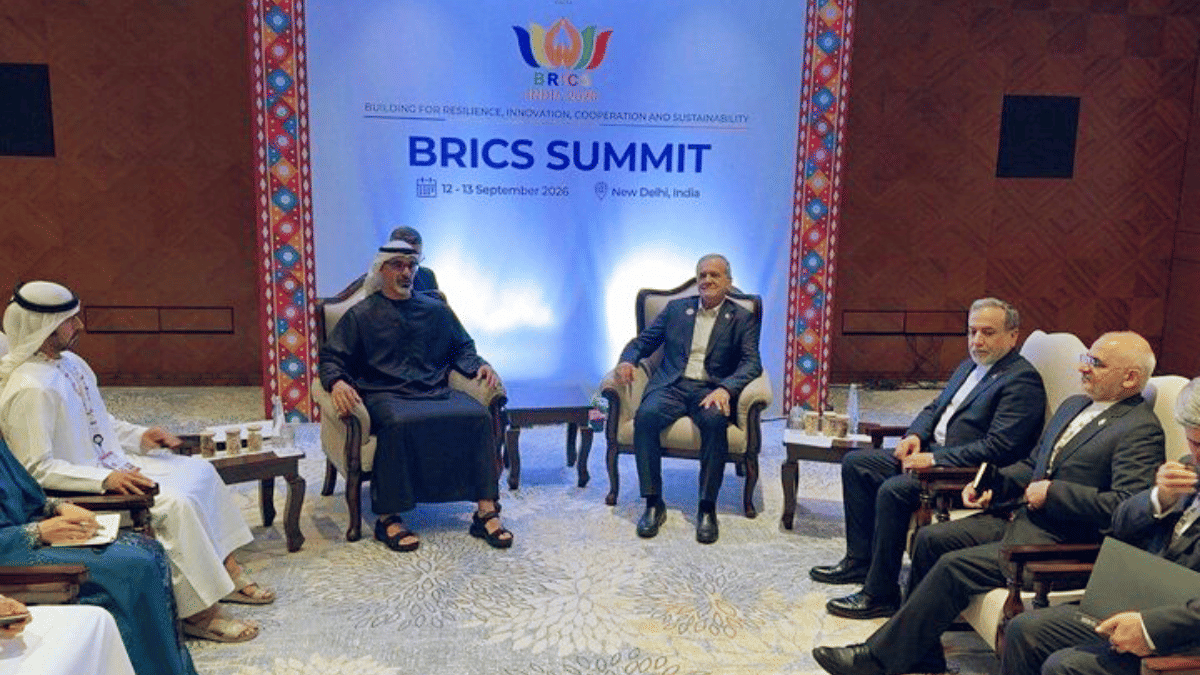
Iran and the UAE, despite their ongoing tensions owing to the West Asia conflict, recently convened in New Delhi. This meeting is significant as it points to potential avenues for de-escalation in a region marked by complex geopolitical interests. Their discussions have not only drawn international attention but have also positioned BRICS as a potential facilitator for diplomatic dialogue amidst contrasting interests among its member nations.
Background of Iran-UAE Relations
The relationship between Iran and the United Arab Emirates has been fraught with competition, particularly influenced by regional conflicts and external pressures from global powers. Historical grievances, territorial disputes, and differing political ideologies have contributed to the rift. Nevertheless, recognizing the need for stability, both countries have shown a willingness to engage in dialogue as a strategy to mitigate conflict and explore mutual benefits.
The Role of BRICS in Regional Diplomacy
The recently concluded meeting in New Delhi highlights the growing influence of BRICS in international diplomacy. Comprising Brazil, Russia, India, China, and South Africa, this coalition serves as a platform for emerging economies to collaborate and assert their voices on the global stage. The gathering of Iran and the UAE in this context is a significant step, as it demonstrates BRICS’ capacity to host discussions that lead to constructive dialogue, even among opposing parties. The success of this meeting underscores the relevance of BRICS nations in facilitating cooperation despite starkly different political landscapes.
Potential Outcomes of the New Delhi Summit
The discussions between Iran and the UAE in New Delhi may pave the way for de-escalation in tensions. By focusing on issues such as economic cooperation and regional security, both nations can begin to address their differences constructively. These outcomes can have broader implications for stability in West Asia, promoting a more conducive environment for dialogue and potentially leading to economic partnerships. As both nations navigate their positions, the implications for regional geopolitics cannot be underestimated.
Challenges Ahead
While the dialogue represents a hopeful development, substantial challenges remain. Distrust born from historical conflicts and external influences from other global powers can complicate future engagements. Both Iran and the UAE will have to confront internal pressures and public sentiment that may resist rapprochement. The intricate dynamics of regional politics mean that progress will require careful negotiation and a commitment to building trust over time.
In conclusion, the recent meeting in New Delhi between Iran and the UAE marks a critical juncture in their relations, providing a platform for possible de-escalation in the ongoing West Asia conflict. The role of BRICS as a mediator is becoming increasingly important, as it showcases the coalition’s capability to foster diplomatic dialogue among its members. With careful navigation of the geopolitical landscape, there is potential for both countries to move towards a more stable and cooperative future.