
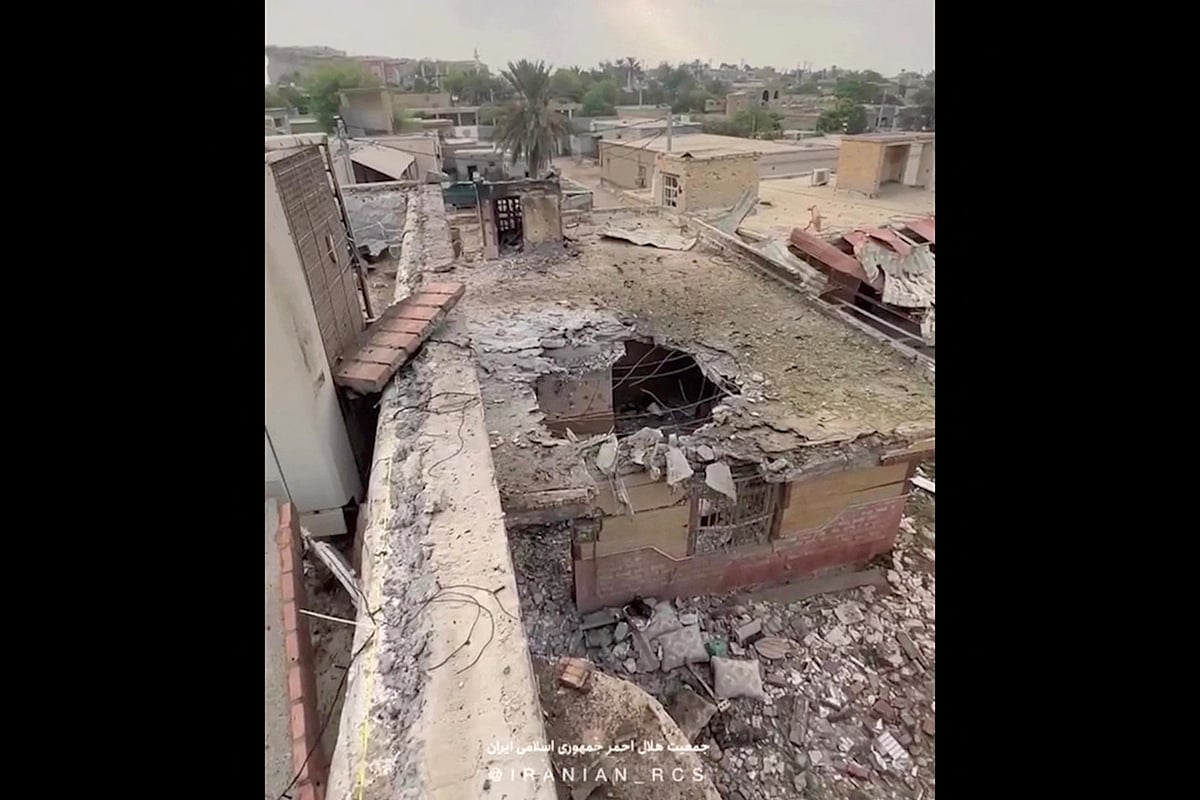
Recent events have escalated tensions between Iran and the United States, particularly following a tragic attack during a wedding celebration. As this unfortunate situation unfolds, reactions from various individuals and officials provide a glimpse into the feelings of the Iranian populace.
Iran’s Leaders React to Hostility
Iran’s chief negotiator, Mohammad Bagher Ghalibaf, expressed his outrage over the wedding attack, directly blaming the United States and labeling them as “Satan”. This fiery rhetoric reflects the ongoing animosity and distrust between the two nations, further complicating the diplomatic landscape. As both sides grapple with increasing hostilities, it’s clear that the path to resolution remains fraught with challenges.
The Impact on Ordinary Iranians
Amidst these tensions, many Iranians are voicing their concerns about the return to violence. Hossein Moazami, a local business owner, described the attack as “truly distressing”. He emphasized that the negative consequences of such conflicts predominantly affect the Iranian people. “I hope they all return to the negotiating table because the only people suffering from this are the Iranian people,” Moazami stated, highlighting a common sentiment among citizens who feel disconnected from the political machinations occurring thousands of miles away.
Many Iranians share Moazami’s frustration, feeling that while direct conflict might not affect American citizens, their own lives are plagued by the repercussions of ongoing hostilities. The psychological and physical toll on communities, coupled with the fear of future attacks, weighs heavily on the minds of ordinary citizens.
Witness Accounts of the Tragedy
Footage released by government sources illustrates the chaotic aftermath of the wedding attack. The video captures debris scattered across the venue, accompanied by the distressing sounds of people screaming for help. Such visuals clearly underline the tragic ramifications of escalating violence and serve to resonate deeply within the public consciousness.
In a poignant statement, Ali Mallahi, the father of the bride, expressed profound grief over the incident, stating, “It is a very saddening incident.” His relief at the relatively low number of casualties underscores the fear that such attacks frequently evoke within the community. The incident serves as a stark reminder of the fragile nature of peace and security in the region.
Calls for Diplomatic Solutions
As Iranians continue to grapple with the fallout of these recent events, there is a growing chorus advocating for a return to diplomacy. Many citizens hope that negotiations can facilitate a resolution, reducing the likelihood of further violence and fostering a sense of stability. The prevailing sentiment is clear: amidst the pain and devastation, there is a collective yearning for peace.
The impact of these escalating tensions and violent incidents on the ordinary Iranian citizen is profound, emphasizing the importance of dialogue and understanding in these complex geopolitical circumstances. Only through concerted efforts to prioritize diplomacy can both nations hope to pave the way toward a more peaceful future.