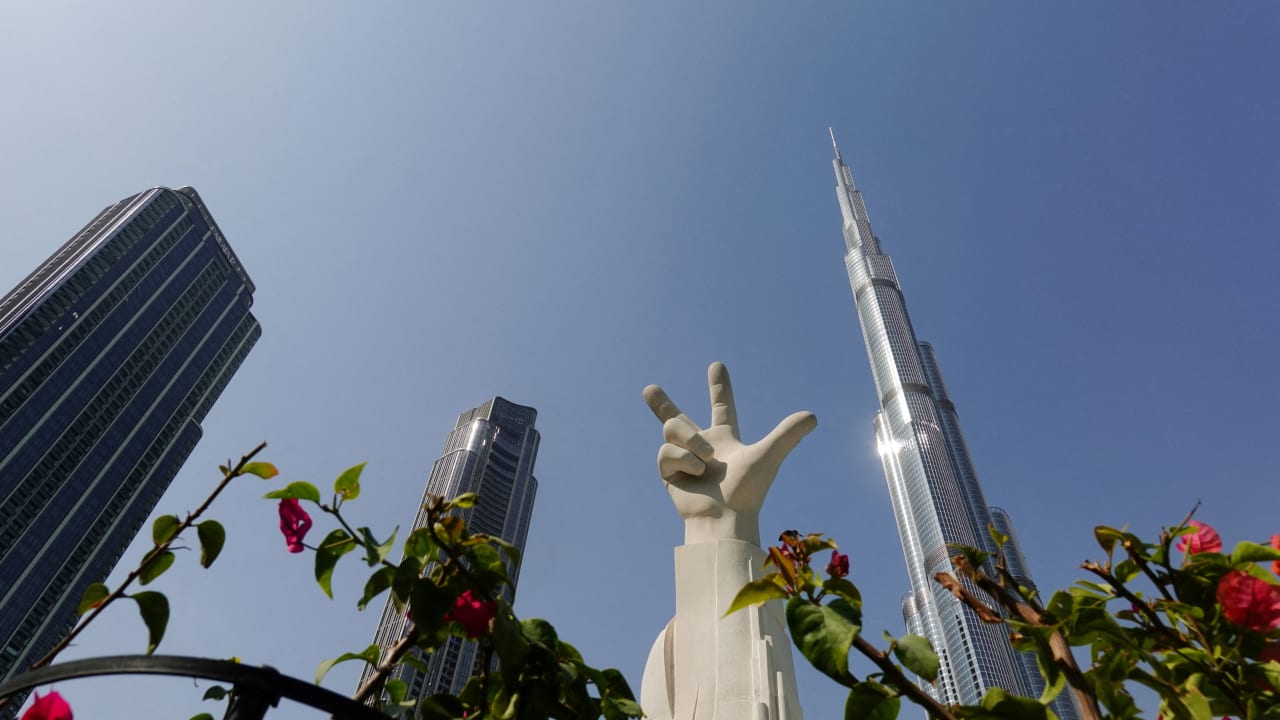
The debate around the economic ascent of Dubai and the Gulf states often intertwines with the post-1979 decline of Iran following its revolution. The prevailing theory suggests that, had Iran maintained its status as a stabilizing regional force, its capital city of Tehran would have remained the economic hub of the region, consequently diminishing Dubai’s current allure as a viable alternative.
### Reevaluating Iran’s Economic Potential
On the surface, one may find merit in the argument linking Iran’s former regional prominence with Dubai’s modern success. With its vast resources, strategic geographical location, and rich cultural heritage, Iran appears primed for economic dominance. However, limiting the narrative to the decline of Iran as a cause of Dubai’s rise overlooks the UAE’s unique achievements within its own context. The UAE’s progress over the last fifty years was not merely a product of Iran’s withdrawal; Dubai carved out its economic identity through proactive engagement with global markets.
Despite Iran’s potential for considerable economic power, chiefly through the return of expatriated capital and talent, this premise assumes that Tehran’s stability is a necessary precursor for Dubai’s downturn. The assertion that one city’s misfortune leads to another’s success suggests a zero-sum game, which is an oversimplification of complex economic dynamics.
### The Unique Model of Dubai
Dubai’s growth story is driven more by its individual achievements than by the shortcomings of neighboring nations. Its ability to nurture a business-friendly environment, sophisticated infrastructure, and robust legal frameworks has made it an attractive destination for global talent and investment. In contrast, regional competitors often grapple with sanctions, bureaucratic hurdles, and an unwelcoming economic climate. Thus, the essence of Dubai’s success lies not in filling a vacuum left by Iran, but in developing a competitive framework that naturally draws business, talent, and capital.
In fact, an absence of competition does not automatically result in economic prosperity. While the fall of one nation can create opportunities, it is essential that the flourishing environment possesses the qualities to attract interest. Dubai has established its competitive edge by being a trustworthy, stable, and streamlined hub, distinct from Iran’s plight.
### Moving Beyond Historical Narratives
The concept of a “temporary substitute” for Iran raises the idea that Tehran could reclaim its economic stature if conditions were to shift favorably. However, economic centers are not so easily transposed or reallocated based on historical claims. Financial ecosystems develop organically and require sustainable governance, trust, and international relationships.
If the regional landscape could simply revert to its historical norms, one would expect other cities to emerge as economic hubs in the wake of ongoing crises. Yet, no such centers have materialized, underscoring that successful economic models emerge from deliberate actions and strategic planning, not merely in reaction to the misfortunes of others.
### Future Opportunities for Collaboration
It is imperative to recognize that a revitalized Iran, operating within a global framework, might in fact present opportunities for Dubai rather than threats. A prosperous Iranian economy could drive demand across several sectors—finance, logistics, and technology—ultimately benefiting regional partners, including Dubai, as they serve as gateways for international enterprises aiming to access Iranian markets.
The multifaceted nature of the Middle Eastern economy suggests that potential collaborations may yield mutually beneficial outcomes. As regional conflicts resolve, multiple economic centers might arise rather than a single dominant player. The UAE is already establishing itself in investment and technology through dedicated initiatives, with Dubai maintaining its global role.
### Conclusion
The narrative linking Dubai’s triumph solely to Iran’s decline has limitations. The UAE, and particularly Dubai, does not require a weakened Iran to flourish; it has pioneered its own economic pathways. The future of economic competition in the region will hinge on factors like investor confidence, stability, and the capacity to adapt to global market demands. Both nations can potentially thrive, expanding their economic landscapes without requiring the dismantling of one another’s achievements. The rich tapestry of opportunities in the Middle East presents a landscape that values not just competition but collaboration as well.