
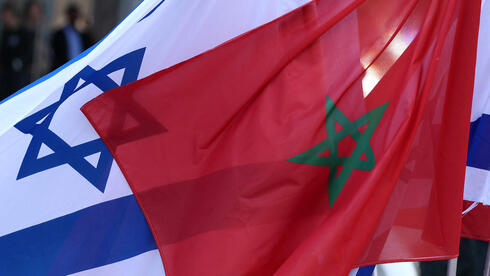
On September 16, 2026, a significant diplomatic agreement was reached between Israel and Morocco, marking a pivotal moment in Middle Eastern and North African geopolitics. This agreement emerged from a high-profile trilateral meeting in New York, featuring Israeli Foreign Minister Gideon Sa’ar, Moroccan Foreign Minister Nasser Bourita, and representatives from the United States. The two nations announced plans to elevate their diplomatic liaison offices to full embassies and appoint ambassadors. In addition, they laid out initiatives to enhance direct commercial aviation and finalize crucial bilateral agreements by the end of 2026, further advancing the framework established in their 2020 normalization efforts.
Strategic Realignments in North Africa
The transition to full embassies between Israel and Morocco signals more than just formal diplomacy; it embodies a profound strategic realignment in the Western Mediterranean and North Africa. Increasingly, defense modernization, national energy security, and border management have become interlinked, reshaping regional dynamics. This evolving situation has created new realities for various stakeholders, suggesting that the geopolitical landscape is fluid rather than static.
Understanding the timing of this diplomatic formalization requires analyzing the evolution of Israeli-Moroccan security collaboration in recent years. Initially characterized by discreet intelligence sharing and selective military transactions, this partnership has matured into a comprehensive defense-industrial alliance. Morocco is transforming from a mere importer of Israeli technology to a nation actively manufacturing military hardware domestically. This shift is part of Morocco’s strategy to modernize its armed forces and build its technological capabilities.
Defense and Security Developments
A tangible example of this collaboration can be seen in Benslimane, where Morocco is establishing a facility associated with Israel’s BlueBird Aero Systems. This site is set to produce loitering munitions, representing a significant step in Rabat’s goal of developing an indigenous military manufacturing sector. Additionally, reports indicate that Morocco has successfully deployed the Israeli-made Barak MX air-defense system, significantly enhancing its military preparedness against aerial threats.
While the growing defense partnership does not instantly alter the regional military balance—Algeria’s defense spending for 2026 is estimated to be around $24.5 billion compared to Morocco’s $7.87 billion—the relationship is vital. Morocco’s integration of Israeli air defense technology and unmanned systems is steadily diminishing Algeria’s long-standing technological advantages. This evolving defense-industrial collaboration strengthens Israel’s strategic foothold in North Africa and positions the country as a key security ally for Morocco.
Broader Implications for Mediterranean Security
The Mediterranean landscape’s evolving dynamics are demonstrated by the rising vulnerabilities along Europe’s southern borders. A prime example occurred in late July 2026 when over 70,000 migrants surged into Spain’s Ceuta enclave from Morocco, leading to a significant humanitarian crisis. The influx overwhelmed local resources, necessitating a reevaluation of security strategies in Southern Europe, particularly Spain’s dependency on Moroccan cooperation for border management.
This complex interplay underscores the challenges Spain faces as it attempts to balance relations with both Algeria and Morocco. Despite the critical energy flows from Algeria, Spain’s border security hinges on effective cooperation with Rabat, which has gained significant leverage in regional migration management. The situation illustrates how partnerships in North Africa can decisively influence Southern Europe’s geopolitical stability.
In summary, the agreement between Israel and Morocco, finalized on September 16, significantly enhances the strategic landscape, fostering a multifaceted partnership amid complex regional dynamics. As traditional rivalries evolve, Israel and Morocco’s collaboration stands as a robust foundation for both nations, navigating a new reality in North Africa and the Mediterranean.