
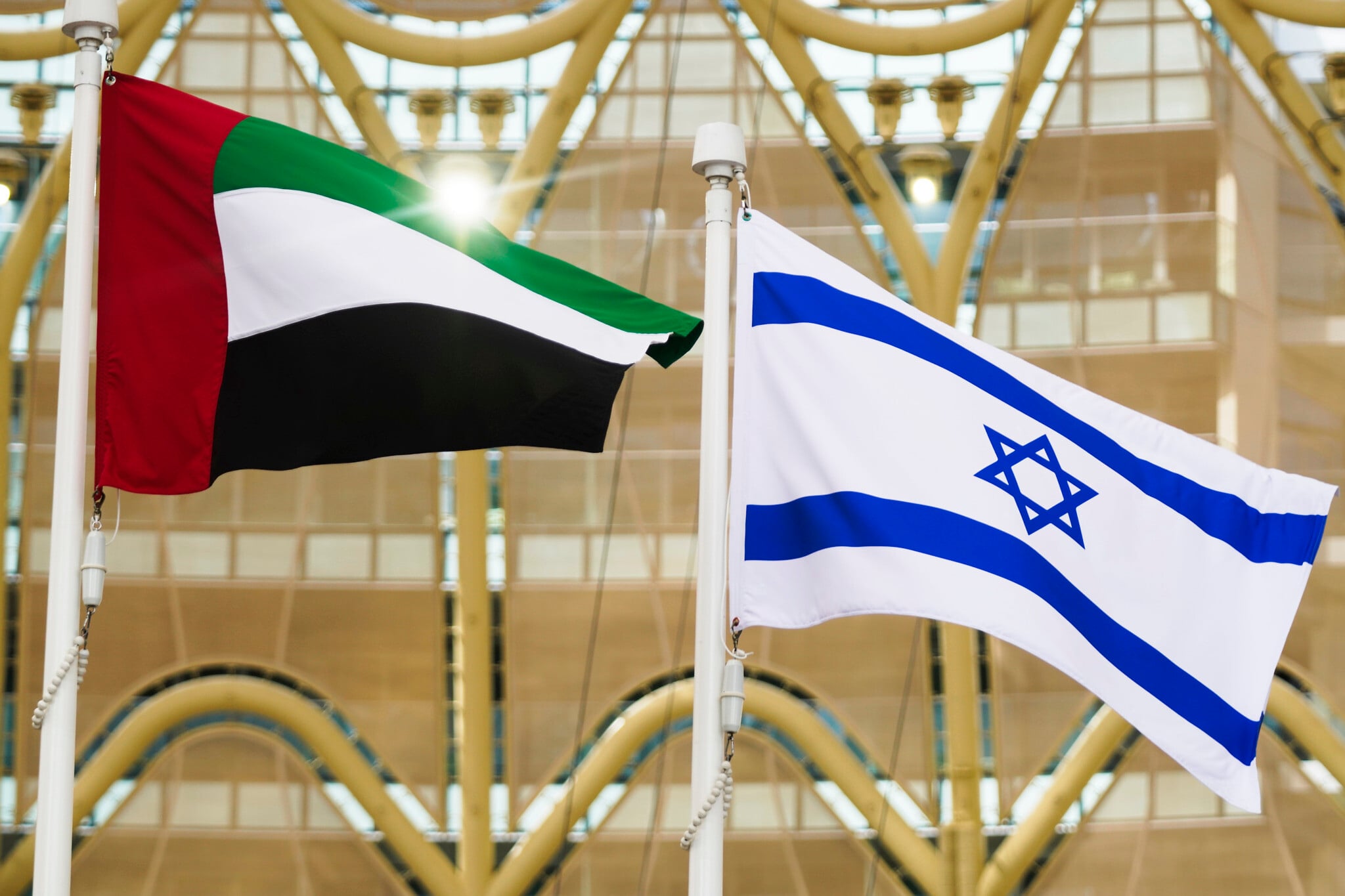
Two Israeli delegations are set to travel to the United Arab Emirates (UAE) next week, signaling a strengthening relationship between the two nations amid escalating tensions with Iran. This visit is significant, as it marks the first official delegations since the outbreak of the conflict with Iran on February 28. It reflects the ongoing collaboration between Israel and the UAE in response to regional threats.
Details of the Delegations
According to a senior Israeli official speaking to AFP, the delegations will comprise experts from Israel’s transportation ministry. Their primary focus will be to discuss the establishment of a trade corridor that integrates India, the Middle East, and Europe. This initiative underscores the growing diplomatic and economic ties as both countries seek to explore mutual benefits through shared projects and strategic alliances.
Impact of the Iran Conflict
The backdrop of the Iran conflict has propelled Israel and the UAE closer together. In recent weeks, the UAE has faced numerous strikes from Iranian forces, provoking a strong defensive response. Reports indicate that both nations have coordinated military actions, including intelligence sharing and missile defense operations aimed at neutralizing Iranian threats. This partnership has fostered a deeper military cooperation, highlighting the importance of solidarity between the two countries in the face of external aggression.
Additionally, statements from Israeli officials suggest an optimism regarding future collaborations beyond military matters. “We believe in this market,” one official remarked, emphasizing the vast opportunities for cooperative endeavors that lie ahead. This sentiment indicates that the strengthening of ties is not solely based on security concerns but also on a broader vision of economic partnership.
Broadening Cooperation Beyond Military Ties
Despite the achievements in military cooperation, the Israeli official refrained from confirming claims that Israel has deployed Iron Dome air defense systems and personnel to the UAE. Reports in the Wall Street Journal suggest the UAE has conducted numerous strikes against Iranian targets during the ongoing conflict, further complicating the regional balance of power. The evolving dynamics between Israel and the UAE are poised to have lasting implications for regional security and economic stability.
The UAE has expressed a commitment not only to respond to immediate threats but also to seek long-term solutions that address underlying issues, such as Iran’s missile program. This positions the UAE as a proactive player in regional politics, determined to forge a new path in its relations with Iran and other nations.
The Future of UAE-Israel Relations
The nascent relationship between Israel and the UAE began formally in 2020 under the Abraham Accords, motivated by a shared apprehension toward Iran. The continued alignment between these nations showcases the potential for deeper integration within the region. With recent calls by U.S. leadership for more nations to support these accords, the geopolitical landscape is shifting. The Israeli official spoke optimistically about the prospects of expanding these accords to foster greater regional peace.
As both countries navigate these complex relationships and external challenges, the evolving ties between Israel and the UAE offer a glimpse into a future where collaboration could pave the way for stability and prosperity in the Middle East. The hum of diplomatic discussions, increasingly underscored by significant military cooperation, may ultimately reshape the region in ways that have yet to be fully understood.