
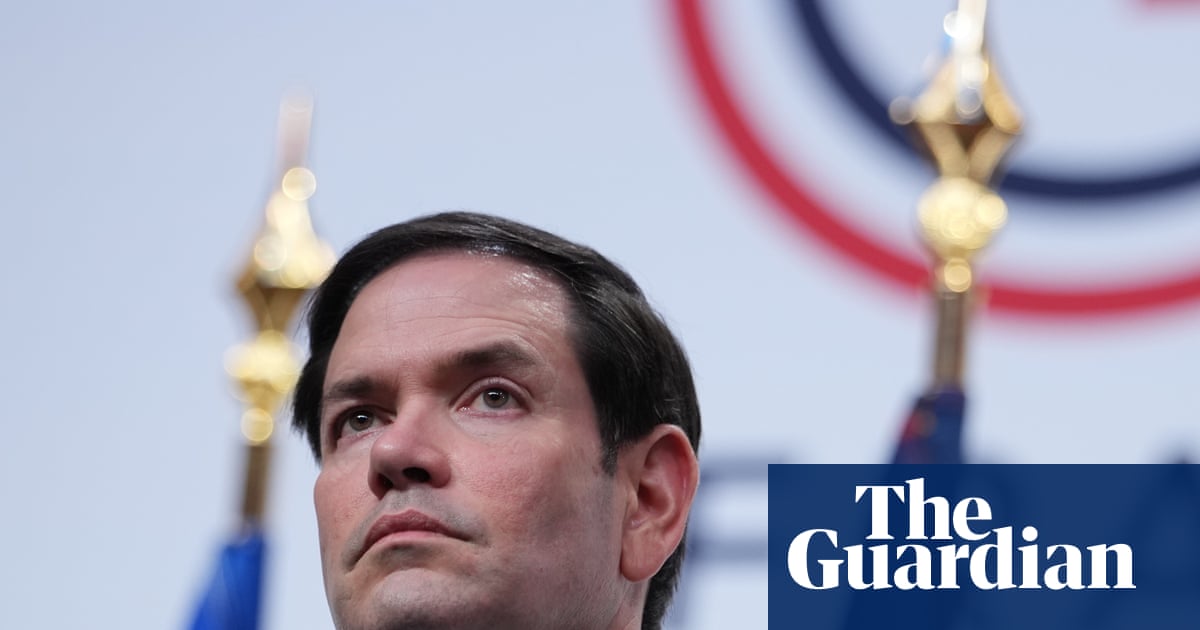
Marco Rubio, the U.S. Secretary of State, is set to engage with Gulf allies this week to reinforce America’s commitment to their security. This comes in the wake of a recent 60-day ceasefire agreement with Iran, which has incited mixed reactions among Gulf nations. Rubio’s visit aims not only to calm fears but also to navigate the complexities surrounding this new diplomatic development.
Understanding Gulf Concerns Over the Iran Ceasefire
The Gulf region is experiencing a divide regarding the recent Iran ceasefire deal. While Qatar has emerged as a prominent mediator, countries like the United Arab Emirates, Kuwait, and Bahrain express trepidation that the agreement might empower Iran militarily. They fear that the financial gains Iran could receive from this deal might be funneled into military enhancements, thereby destabilizing the region. This uncertainty is exacerbated by previous U.S. sanctions and the geopolitical implications of Iranian activities.
U.S. Leadership and Regional Security Initiatives
In his first trip to the Gulf since the commencement of the recent conflict on February 28, Rubio’s agenda includes meetings with leaders in the UAE, Kuwait, and Bahrain, as well as discussions with the Gulf Cooperation Council. This visit will provide an opportunity for Rubio to clarify the U.S. position on the Iran deal and reassure these allies of America’s steadfast support in maintaining regional security. The U.S. has declined to publicly elaborate on the extent of Iranian missile damage to U.S. military bases in the Gulf, adhering to a policy designed to avoid panic while the situation remains sensitive.
The Future of U.S.-Iran Relations and Broader Geopolitical Dynamics
Meanwhile, Donald Trump has weighed in, asserting that unfrozen Iranian assets would be subject to U.S. oversight, allegedly directing these funds towards humanitarian purchases in the U.S. However, Iran has countered claims that these assets would be restricted to American products. Tehran’s central bank has stated that purchasing decisions will be based on better pricing and quality, revealing the challenges ahead in reshaping U.S.-Iran relations.
This dispute reflects a broader narrative of mistrust. Iranian officials highlight the ongoing militarization of the region and suggest that Gulf states, including the UAE and Kuwait, have facilitated U.S. military actions against Iran, a claim they vehemently contest. Iran’s long-term strategy appears focused on diminishing U.S. influence in the Gulf, courting alliances with Turkey, Saudi Arabia, Pakistan, and Egypt to foster a new power dynamic.
The Economic Impact and Future Prospects
As a result of the current geopolitical conditions, Iran is poised to receive substantial financial benefits, potentially amounting to billions in unfrozen assets and income from oil exports, particularly to China. These developments could have repercussions for the balance of power in the region. Additionally, consultants at Kepler reported an uptick in shipping traffic through the Strait of Hormuz, indicating a shift in economic activities linked to Iran.
In summary, as Marco Rubio embarks on his diplomatic mission this week, the ongoing dialogue surrounding the U.S.-Iran ceasefire and its reverberations in the Gulf will be pivotal. This complex interplay of security concerns, economic interests, and diplomatic maneuvers will significantly influence regional stability and the broader U.S. foreign policy framework in the Middle East.