
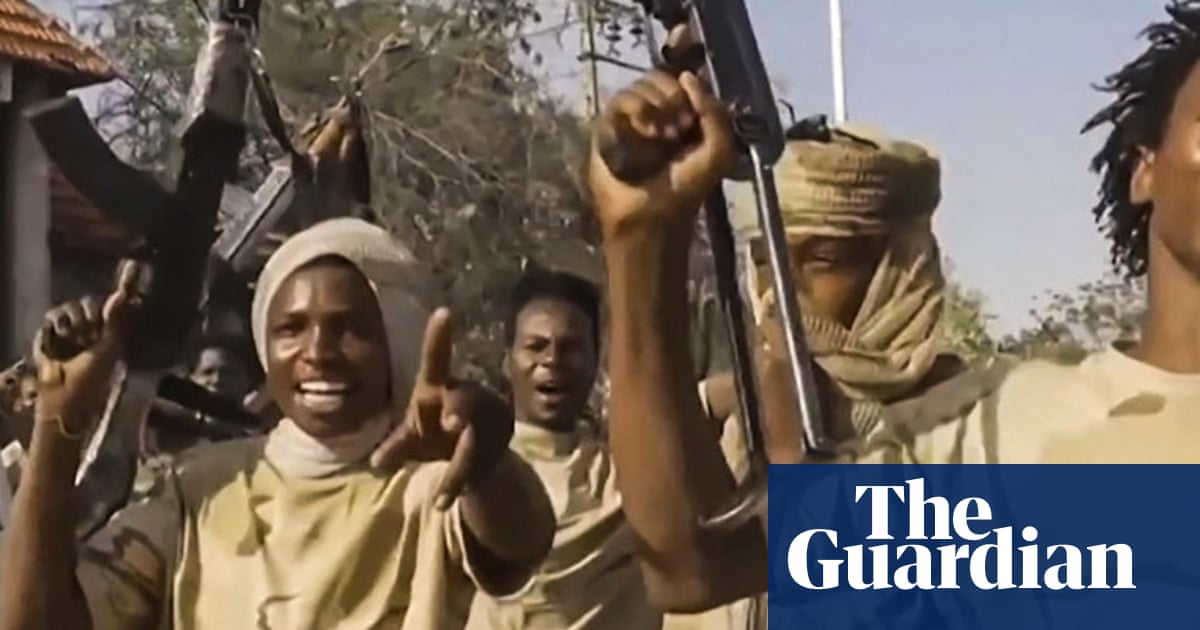
The UK government faced criticism after it was revealed that, in 2024, it received intelligence about Ethiopia allegedly supporting a genocidal militia during Sudan’s civil war. A parliamentary committee is now scrutinizing this issue and how it relates to British foreign policy, particularly in regards to maintaining good relations with the United Arab Emirates (UAE).
Pressure from the UAE
In May 2024, officials from the Foreign, Commonwealth and Development Office (FCDO) conveyed to Nathaniel Raymond, an American human rights investigator at Yale University, that strong private pressure from the UAE played a significant role in the UK’s decision not to disclose information connecting Ethiopia with paramilitary actions in Sudan. This reluctance to share such intelligence was purportedly driven by concerns that it might disrupt the diplomatic ties valued by the UK government.
The specifics of Ethiopia’s involvement only surfaced in public discussions in early 2025. Despite increasing evidence and testimonies, Ethiopia has continued to deny any participation in supporting the militias leading the deadly violence in Sudan.
Implications for Atrocity Prevention
In a recent session with a parliamentary committee, Nathaniel Raymond will allege that the UK government’s priorities appeared to favor its relationship with the UAE over the prevention of mass atrocities in Sudan. Reports regarding the seizing of El Fasher by the paramilitary Rapid Support Forces (RSF) have raised questions about the FCDO’s response to what could be characterized as a humanitarian crisis.
Raymond will focus on what he labels failed attempts by the UK to guard against widespread killings that involved tens of thousands of innocent people during the genocide at El Fasher. He is expected to provide detailed accounts of discussions that indicate senior FCDO officials tried to downplay the gravity of reported deaths for political expediency.
Evidence and Revelations
After El Fasher fell to the RSF following an 18-month siege, Raymond reported to a committee that at least 60,000 civilians were estimated to have been killed. This alarming figure did not account for additional casualties from famine or bombardments, further complicating the situation. Discussions between Raymond and an FCDO official suggested that the government’s acknowledgment of such a high death toll posed a political dilemma.
Documents backing his claims will be submitted based on three years of encrypted communications that detail how British UN officials expressed frustration over the government’s inaction as El Fasher faced imminent devastation. Specifically, these communications revealed ongoing concerns about the inevitability of mass atrocities, highlighting a troubling disconnect between intelligence assessments and governmental action.
The Role of the FCDO
Raymond asserts that the FCDO was hampered in its ability to act due to the “significant private pressure” from the UAE, which complicates the narrative of an effective atrocity prevention policy. Although the human rights organization he leads could not publicize information due to operational limitations, they did share critical data with U.S. authorities to support sanctions against certain entities tied to the RSF.
The issue gained more traction after reports in early 2025 indicated that Ethiopia was allegedly training RSF fighters, a move purportedly backed by the UAE. Both Ethiopia and the UAE have denied the allegations made against them.
Raymond’s forthcoming testimony before MPs aims to unveil the stark reality of the UK’s foreign policy priorities, asserting they seemed to prioritize economic and diplomatic concerns over human rights. He will emphasize that the UK, as a key player in international discussions concerning Sudan, had the potential to make a significant difference that might have prevented one of the largest humanitarian crises of the 21st century.