
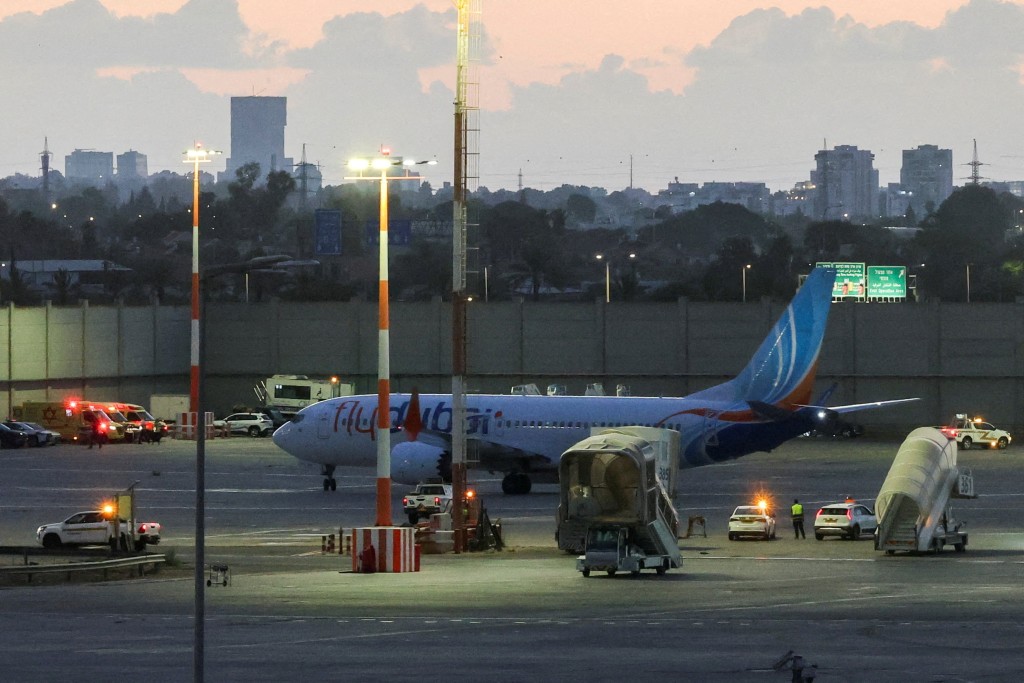
A recent incident involving a Melbourne man has sparked controversy, particularly in relation to his Islamic community centre. This centre has been tied to the co-pilot implicated in a violent attempt on a flydubai jet’s captain. In the wake of these allegations, the man has vehemently rejected what he describes as “false accusations.”
Details of the Incident
The Omani co-pilot, currently detained in the UAE, allegedly drew inspiration from the notorious September 11 attacks orchestrated by Al-Qaeda. Prosecutors in the UAE presented findings indicating that the co-pilot’s actions were aimed at causing maximum casualties. Comprehensive reports detail how the co-pilot became radicalized during his studies in Australia, where he accessed extremist texts and consumed online content that celebrated terrorist organizations and suicide missions.
The Emirati prosecutors pointed to an organization referred to as “My Centre,” managed by a Lebanese individual known as Abu Hamza. Notably, neither “My Centre” nor Abu Hamza have been charged with any criminal activities. This disconnect raises questions about the responsibilities of community organizations in preventing radicalization among individuals.
Response from the Community Leader
In a video broadcast on social media, Abu Hamza, also reported as Samir Mohtadi, pushed back against what he termed “false accusations.” He expressed that throughout history, individuals deemed righteous have often faced attacks, scorn, and baseless allegations. He emphasized a philosophy of restraint, suggesting that sometimes silence can be the best response to such accusations. While he refrained from directly addressing the UAE prosecutor’s specific claims, his remarks underscored a broader concern about how community voices are often misunderstood or misrepresented.
The Flight Incident
The incident that triggered these allegations occurred on September 30, during a flight from Dubai to Tel Aviv. It was reported that the co-pilot used an emergency axe to assault the aircraft’s Indian captain, Smit Machchhar, who bravely fought back and attempted to raise the alarm. Observations made by another pilot on board noted unusual movements of the cockpit door, prompting intervention. With assistance from cabin crew and passengers, they successfully restrained the assailant and rescued the injured captain. The return flight captain, alongside his co-pilot, skillfully landed the aircraft at Tabuk Airport in Saudi Arabia, averting a potential disaster.
Ongoing Investigations
Authorities in Australia are now examining the man’s connections to Australia and beyond. Investigations into his activities and affiliations are crucial for understanding the broader implications of this case. Moreover, reports indicated that the suspect had previously spent time in New Zealand on a six-month student visa, where he completed part of his flight training. As law enforcement agencies continue their inquiries, the case underscores the importance of vigilance in recognizing and countering extremist influences.
In summary, the allegations connected to this incident have sparked significant discourse around radicalization and community involvement. The responses from community leaders highlight a strong desire to counter narratives that may unjustly implicate innocent individuals. As investigations unfold, it remains crucial to discern the facts and navigate the complexities surrounding incidents of this nature.