
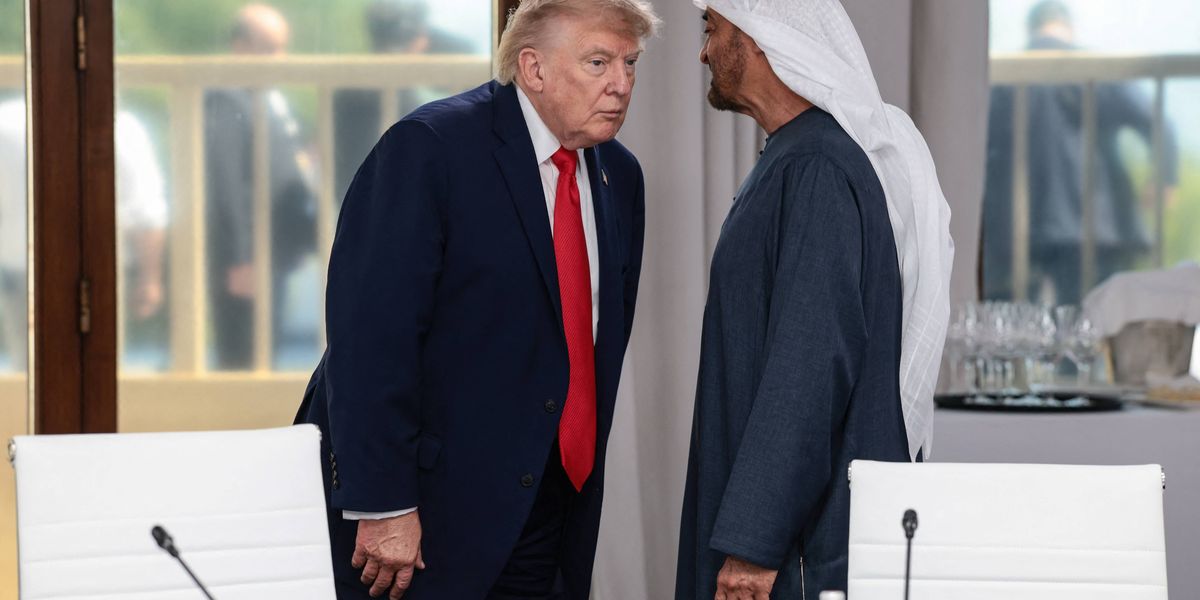
As the potential for further violence looms in Sudan, concern has escalated regarding the role of foreign powers, particularly the United Arab Emirates (UAE), in financing atrocities committed by the Rapid Support Forces (RSF). Senator Bernie Sanders has called for a cessation of U.S. military support to the UAE, spotlighting its dangerous financial association with former President Donald Trump.
The Crisis in Sudan: An Ongoing Humanitarian Nightmare
The situation in Sudan remains dire, with an alarming death toll surpassing 150,000 since the onset of the current conflict in 2023. Senator Sanders highlighted that the humanitarian crisis has forced an estimated 14 million people from their homes, leaving 30 million in urgent need of aid. In a recent social media address, he urged that amid global conflicts, such as those in Gaza and Iran, the severe conditions in Sudan should not be overlooked. The RSF continues to exert terror, encircling cities like El Obeid and launching drone attacks that have resulted in civilian casualties and infrastructural damage.
As fighting escalates, basic necessities like food, water, and medical supplies are becoming scarce. Civilians are attempting to flee the onslaught, yet many escape routes have been cut off, exacerbating the already critical humanitarian situation. The United Nations has expressed grave concerns, warning of an imminent threat of mass atrocities and calling upon the RSF to cease its attacks.
The UAE’s Role in Financing Atrocities
Senator Sanders pointed out that the atrocities in Sudan are being fueled by the UAE, a close ally of Donald Trump. This relationship raises serious ethical questions about U.S. complicity in ongoing violence. Despite denials from Abu Dhabi, evidence suggests that the UAE has been actively supporting the RSF, including supply shipments and financial backing. Reports have claimed that substantial investments from the UAE have not only supported the militia but also contributed to the enrichment of its own elite, benefiting financially from Sudan’s turmoil.
Nicholas Kristof, in a column for The New York Times, underscored that while U.S. officials are hesitant to name the UAE as a culprit, its direct involvement is well-documented. The UAE’s financial ties to the Trump family, particularly a significant investment in Trump’s cryptocurrency venture, raise further questions about the motivations behind U.S. policies that enable arms sales to the Emirates.
Congressional Actions and Human Rights Advocacy
In light of the escalating violence and international outcry, there’s a growing movement in Congress aimed at restricting U.S. arms sales to the UAE. Efforts led by Senator Chris Van Hollen and Representative Sara Jacobs have sought to enforce limitations on military support, urging that no weapons should be sent unless the UAE ceases its support for the RSF. Unfortunately, attempts to introduce stricter amendments have faced resistance, failing to gain necessary traction in the GOP-dominated Senate Foreign Relations Committee.
The urgent calls for action emphasize the need for Congress to hold the UAE accountable and to collaborate with the international community to ensure humanitarian aid reaches those in desperate need. Senators and advocates echo Sanders’ assertion that ending complicity in genocide should be a federal priority, aiming to bring an end to a conflict that continues to devastate lives and communities in Sudan.
As awareness of the situation grows, the path forward demands an alignment of ethical governance with actionable policies to protect vulnerable populations from the ravages of war and state-sanctioned violence.