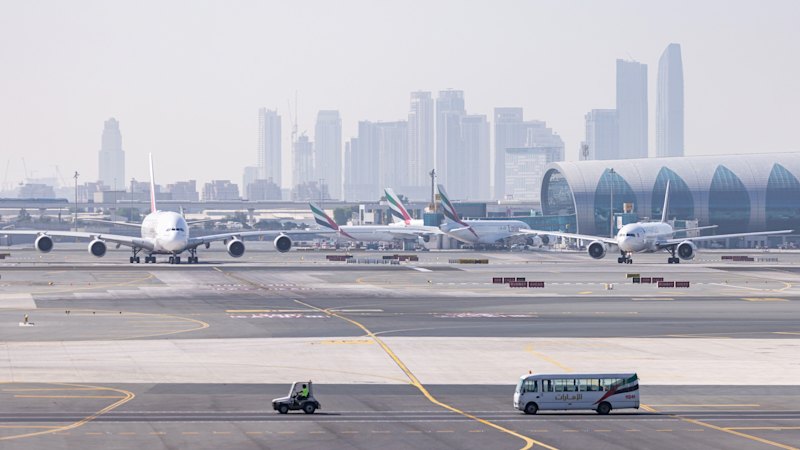
The Smartraveller website has updated its travel advice for Qatar and the UAE, reflecting heightened concerns regarding security in these regions. This change is prompted by ongoing conflicts and recent military incidents, affecting the safety of Australian travelers. As tensions resurface in the Middle East, travelers are urged to be vigilant and reconsider their plans.
Updated Travel Warnings from the Australian Government
The Department of Foreign Affairs and Trade (DFAT) has reported that “military strikes and reprisal attacks have occurred in various locations” within the Middle East, including incidents in Qatar and the UAE. Following a series of missile and drone attacks targeting these nations, the DFAT cautions travelers to “Reconsider your need to travel.” This advisory marks a shift from earlier guidelines that simply noted a risk without elaborating on the increasing danger.
Recent events, particularly on a Sunday when Iranian missiles and drones struck several Gulf nations, have illustrated the gravity of the situation. The U.S. military’s intervention in Iran has further exacerbated an already unpredictable security climate. The updated advice from DFAT reflects a serious reassessment of travel risks in these areas and emphasizes the need for travelers to monitor conditions closely.
Implications for Australian Travelers
Travel industry experts suggest that the Australian government might soon elevate its travel warnings for Qatar and the UAE to the highest level, “Do Not Travel.” Ian Kemish, a former DFAT official, indicated that raising the warning level is often a more straightforward political move than lowering it, especially amid escalated tensions. Travelers should heed these warnings, as the advisory is indicative of potential risks that could affect their safety.
Currently, the advice extends beyond just direct travel to these areas; Australians are also urged to reconsider transiting through these nations due to the ongoing conflict risks. If travel is essential, DFAT recommends limiting time spent in affected regions and avoiding non-critical activities.
Travel Trends and Historical Context
Prior to the resurgence of conflict, travel to the Middle East, particularly via hubs like Qatar and the UAE, was common among Australians heading to Europe. Each year, approximately 1 to 1.4 million Australians passed through these airports. The previous lowering of travel warnings had been met with relief from the tour sector, which had suffered from decreased business opportunities due to concerns about safety.
Despite the current warnings, industry leaders stress that a Level 3 advisory does not imply a safe travel environment. The travel sector is keenly aware that conditions could worsen and that travelers should remain soberingly aware of real-time conditions in the region. Options for routing around the Middle East are limited, with many travelers having no choice but to transit through these key hubs.
In summary, while updated advisories reflect the serious risks currently present in Qatar and the UAE, they also serve as a reminder for travelers to stay informed and exercise caution. The fluctuating nature of international relations necessitates that travelers remain adaptable and prepared for changes that may arise in their plans.