
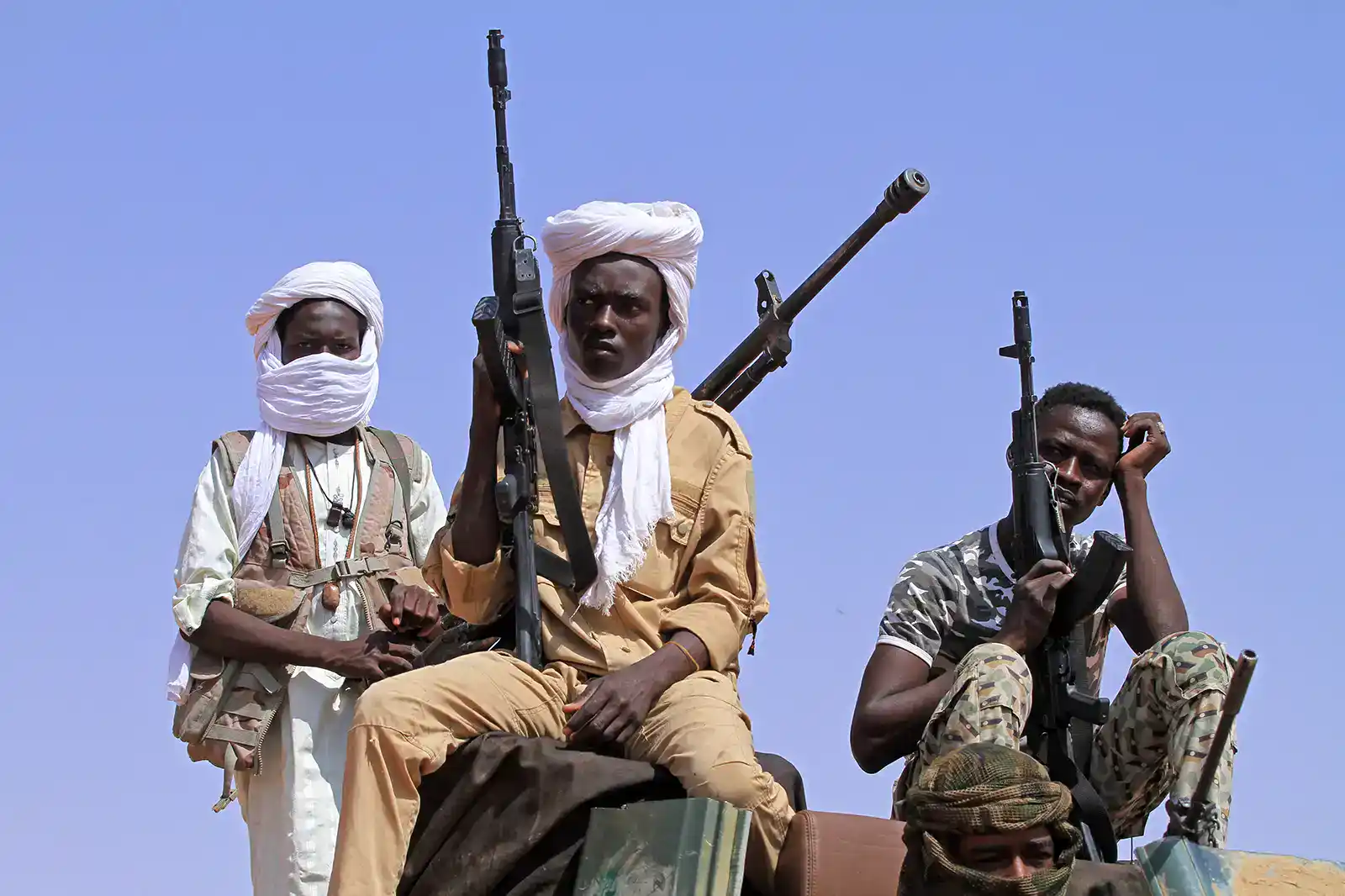
The United Arab Emirates (UAE) has become a central figure in the Sudanese conflict, employing a multifaceted approach to exert its influence. This strategy revolves around three key elements: gold, political leverage, and arms transfers. Collectively, these components have enabled the UAE to shape the dynamics of the ongoing war in Sudan, allowing it to maintain a significant foothold in the region.
The Exploitation of Sudan’s Gold Reserves
Between 2013 and 2023, the Rapid Support Forces (RSF) solidified their control over Darfur’s gold mines, an essential aspect of Sudan’s economy. The gold extracted from these mines primarily finds its way to Dubai, recognized as a leading hub for conflict-linked gold from Africa. Notably, the ongoing war has not disrupted this vital supply chain. Consequently, no Emirati officials or entities have faced consequences for their involvement in laundering funds associated with this gold trade. This lucrative gold revenue not only finances the RSF but also affords the UAE substantial leverage over its operations, reinforcing Abu Dhabi’s status as a premier destination for gold against competing nations.
The UAE’s Strategic Political Alliances
Before the conflict escalated, the UAE strategically maintained relationships with both the Sudanese Armed Forces (SAF) and the RSF. This dual engagement was aimed at preventing both civilian political entities and the wider democratic movement from gaining strength. Gradually, however, a discernible preference emerged; Abu Dhabi began to extend political support, diplomatic cover, and positive media representation to the RSF and its allies. In addition, it likely retains some influence over SAF leadership through financial connections. This complex web of alliances highlights the UAE’s intent to control the trajectory of the conflict without overtly alienating any single faction.
Arms Transfers and Military Support
The UAE’s involvement extends beyond economic influence; it includes supplying arms and military resources to the RSF through various supply routes that traverse Libya, Chad, and other regions. These operations are complemented by an Emirati-funded training camp for RSF fighters situated in Ethiopia. Moreover, Abu Dhabi has enlisted Colombian mercenaries to bolster RSF ground forces. While Western sanctions have targeted some Colombian firms and individual recruiters involved in these operations, Emirati officials and organizations directing the funding and execution of such initiatives have remained unscathed.
The Broader Implications of External Influence
The UAE’s substantial leverage in Sudan has profound consequences for the ongoing civil war. Despite significant evidence of human rights violations, including a reported siege of El-Fasher that threatened the lives of 1.5 million civilians, the international community has largely remained passive. Warnings issued by researchers highlighting the severity of the conflict have often resulted in inaction from Western powers. This reluctance to confront the UAE underscores a concerning trend where strategic partnerships take precedence over humanitarian considerations.
Achieving peace in Sudan will necessitate accountability for the war crimes committed by both RSF and SAF leaders, along with comprehensive reparations for affected communities. It is imperative for Western governments to leverage their financial power to hold the UAE accountable. The financial ties that sustain the RSF can be traced back to the banking and real estate sectors of nations that profess to seek peace in the region.
To address this complex situation, political will is essential. It involves treating strategic partners, like the UAE, as accountable under international law, rather than permitting them to act without consequence. The failure of Washington to rein in Abu Dhabi highlights an ongoing challenge in global governance, reflecting a desire to maintain influence through regional proxies. To foster a more responsible international response, it is crucial to recognize and reject complicity in the violence that has emerged from such alliances.