
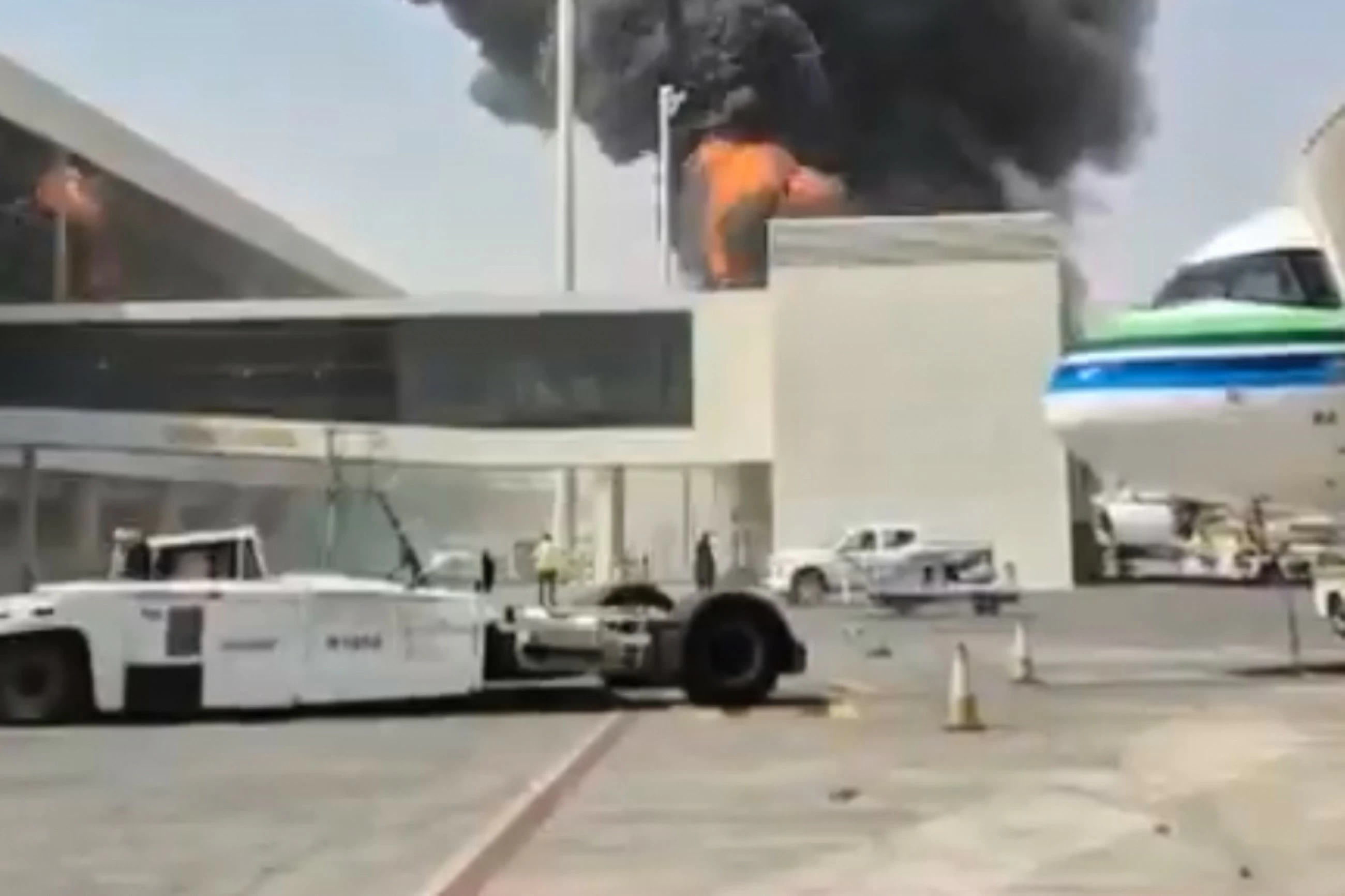
The United Arab Emirates (UAE) has expressed its vehement disapproval following the recent assaults carried out by the Houthi group on King Khalid International Airport in Saudi Arabia. This incident not only raises concerns about regional security but also underscores the ongoing tensions in the Middle East.
UAE’s Stance on Regional Security
The UAE has consistently prioritized stability and peace within the Gulf region. Their strong condemnation of the Houthi attacks reflects their commitment to safeguarding the safety of neighboring nations, particularly Saudi Arabia. The attempted assaults on such critical infrastructure threaten not just the host country but also the broader regional equilibrium, making it imperative for nations to stand united against aggression.
Additionally, the UAE views such attacks as violations of international norms and expects the global community to respond with solidarity. The frequency and intensity of such assaults have heightened fears of a destabilized landscape in the Middle East, necessitating a clear stance against any acts of violence that further exacerbate tensions.
Global Implications of Houthi Aggression
The ongoing hostilities from the Houthi group extend beyond the immediate geographical footprint of the attacks. Escalating violence poses broader implications for international trade and safety. Key trade routes in the Gulf are essential not only for regional economies but also for global commerce. Disruptions caused by attacks can have cascading effects, impacting energy supplies and trade dynamics worldwide.
Furthermore, the targeting of civilian airports raises alarm bells regarding the safety of passengers and international travelers. Such developments could lead to increased security measures and heightened tensions, complicating diplomatic relations across the region. It is crucial for global entities to acknowledge the ramifications of these actions and engage in dialogues aimed at de-escalation.
Calls for Unified Action Against Aggression
In light of the challenges posed by Houthi aggression, the UAE urges a collaborative approach among Gulf nations and the international community. A unified stance will not only fortify defenses but also send a powerful message against terrorism and acts of violence. Cooperation in intelligence sharing, military readiness, and diplomatic negotiations can serve as a deterrent to further hostilities.
International organizations and influential nations are encouraged to act decisively, employing diplomatic channels and pressure strategies to deter any further attacks. The UAE believes that a collective response will play a significant role in restoring stability and ensuring that peace prevails in the region.
In conclusion, the recent Houthi attacks on Saudi Arabia’s King Khalid International Airport highlight the precarious situation in the region. The UAE’s strong condemnation reflects its long-standing commitment to peace and stability, crucial for the safety of both Gulf nations and international interests. A united front against such aggression is essential to prevent further escalation and bring about a lasting peace in the Middle East.