
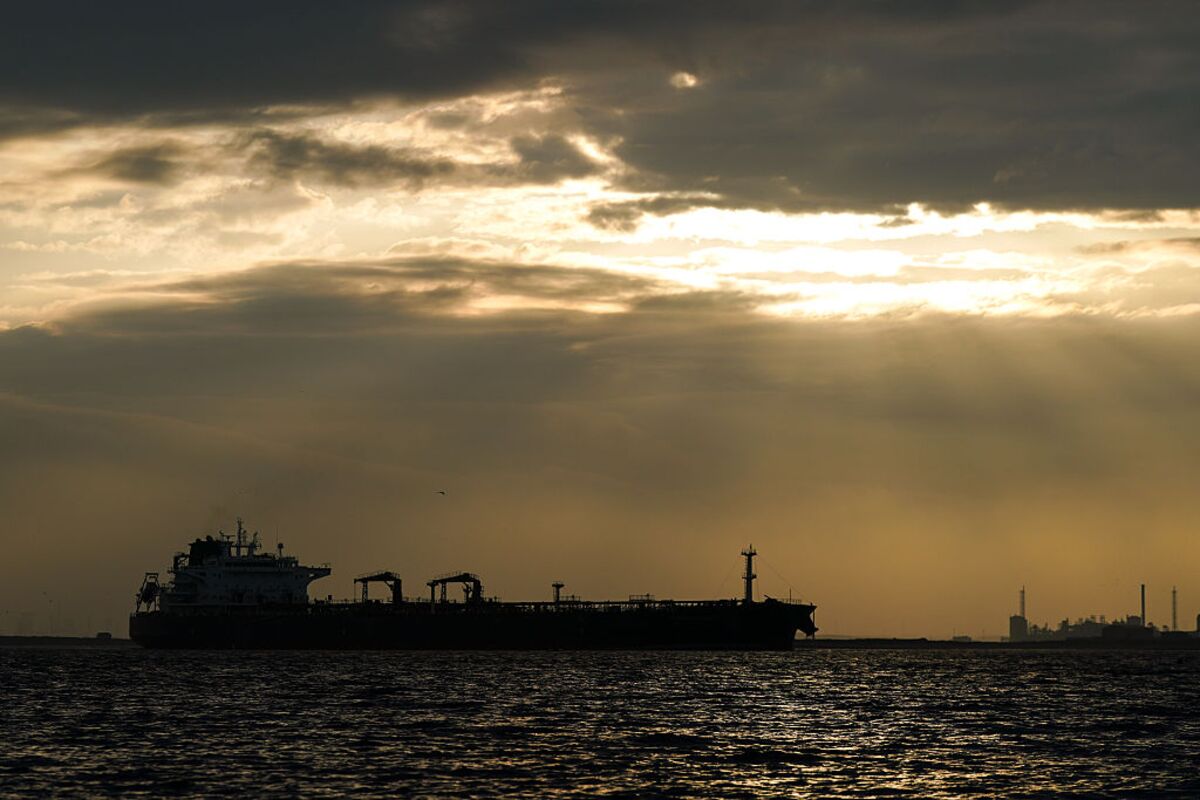
Oil exports from the United Arab Emirates (UAE) have shown a remarkable recovery, achieving nearly 85% of the volumes seen before the onset of the Iran conflict. This resurgence occurred even prior to the recent peace agreement between Washington and Tehran. The International Energy Agency (IEA) attributes this comeback to the UAE’s strategic utilization of alternative pipelines, storage facilities, and innovative shipping routes.
UAE’s Oil Resilience Amid Global Challenges
The oil sector in the UAE has historically demonstrated resilience in the face of geopolitical turmoil. With the complexities of the ongoing Iran conflict, the UAE has adeptly navigated the challenges and barriers arising from the situation. Focusing on diversification and bolstering its infrastructure, the nation has harnessed existing pipelines and enhanced storage options to maintain a robust export profile. By implementing alternative shipping strategies, UAE’s oil exports have swiftly bounced back, underscoring the versatility of their operational framework.
Strategic Partnerships and Investments
Part of the UAE’s ability to recover its oil export levels can be attributed to strategic partnerships within the global energy sector. By fostering collaborations with other oil-producing nations and investing in advanced technological solutions, the UAE has reinforced its status as a key player in the energy landscape. These partnerships not only help in maintaining a steady flow of oil but also enhance the nation’s competitive edge against other oil exporters. Emphasizing long-term investments in infrastructure and technology ensures that the UAE remains well-prepared for any market fluctuations or geopolitical uncertainties.
Implications for the Global Oil Market
The UAE’s oil export recovery has significant implications for the global oil market. With a stabilized supply from one of the key players, the international oil prices may experience a degree of stabilization. This is particularly critical as global economies gradually recover from various economic disruptions. The re-establishment of the UAE’s oil production capacity adds a layer of predictability in a market characterized by volatility and uncertainty. Moreover, as demand continues to rise in various sectors worldwide, the UAE’s consistent supply could facilitate a smoother transition for the global market to navigate through potential shortages.
Future Prospects for UAE Oil Exports
Looking ahead, the future prospects for UAE oil exports seem promising. As tensions in the region potentially ease with diplomatic efforts, the stability of oil production and exportation could increase significantly. The government is likely to invest further in sustainability and modernization initiatives that align with global energy trends. Such strategies will not only enhance operational efficiency but also position the UAE favorably in the global push for greener energy solutions. Thus, while the immediate recovery is commendable, the strategic foresight of the UAE will be pivotal in sustaining its oil export capabilities in the long term.
In summary, the UAE’s oil export recovery is not just a short-term bounce-back but a testament to the nation’s resilience, strategic planning, and robust partnerships. As the global oil market adjusts to recent developments, the UAE’s proactive measures will likely play a critical role in shaping the future landscape of energy exports.