
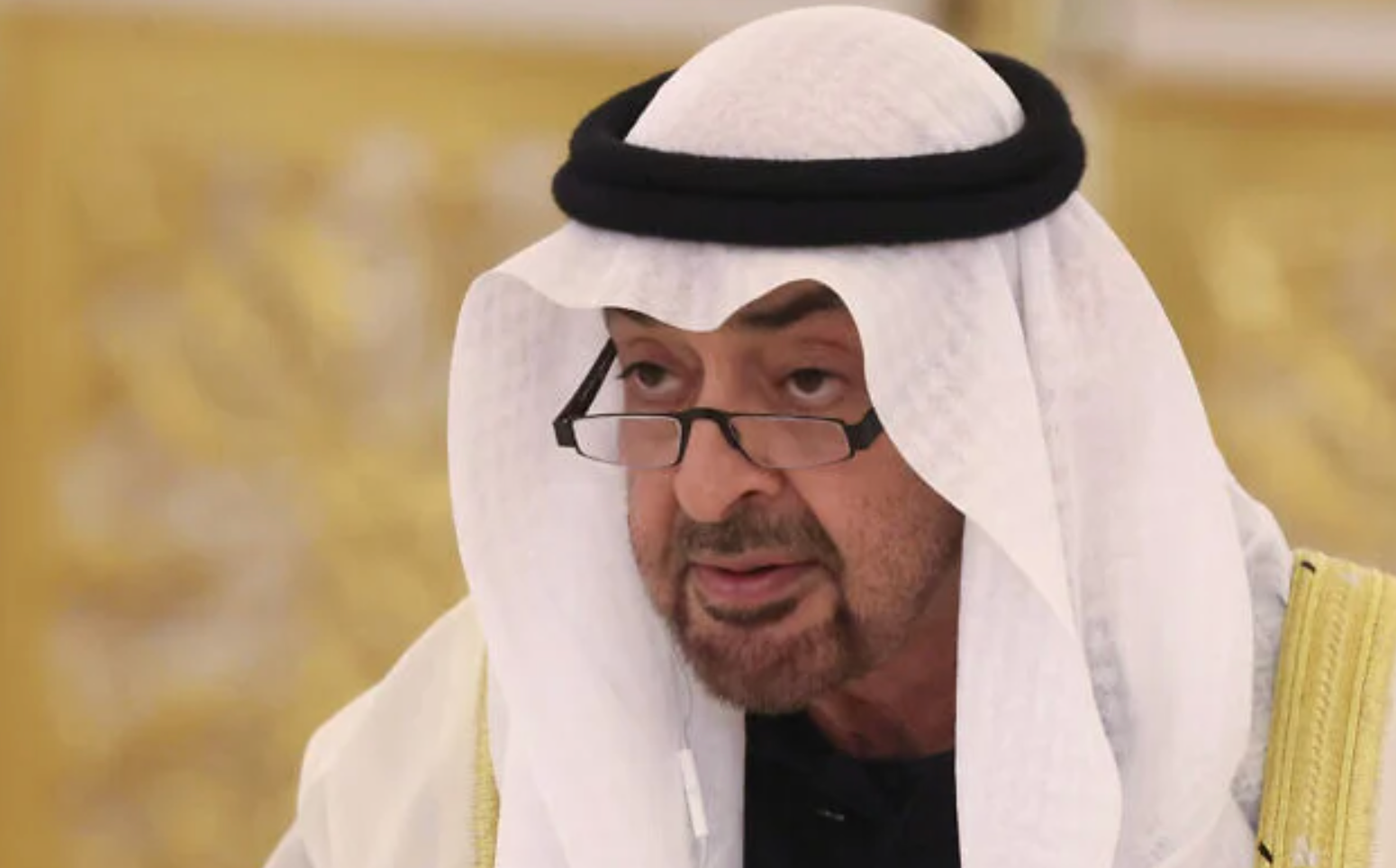
UAE President Sheikh Mohamed bin Zayed Al Nahyan recently welcomed Ambassador Yehuda Kaploun, the US State Department’s special envoy tasked with monitoring and combating antisemitism. This significant meeting took place on Thursday morning, as reported by diplomatic sources. Following the discussion, the ambassador was seen departing from the UAE leader’s residence.
Significance of the Meeting
During his time in the United Arab Emirates, Ambassador Kaploun engaged with various rulers and senior officials, signaling the importance of this diplomatic visit. Although his office refrained from providing comments about the meeting, emphasizing that they do not disclose travel itineraries to the media, the envoy’s role is crucial. He leads the State Department’s initiatives aimed at addressing antisemitism on a global scale. This includes not only engaging with foreign governments but also monitoring antisemitic speeches and incidents, as well as advocating for policies that protect Jewish communities while fostering religious tolerance.
Addressing Antisemitism Globally
The efforts managed by Kaploun’s office are instrumental in the United States’ broader objective to confront antisemitism, particularly in light of the global complexities surrounding this issue. The timing of their engagement is noteworthy as the region continues to focus on combating prejudice and promoting coexistence among various religious groups. This collaboration aligns with ongoing international efforts to eradicate antisemitic sentiments and foster interfaith dialogue.
Regional Dynamics and Educational Reforms
This meeting comes at a time when several countries in the region are revisiting their educational strategies to combat intolerance. For instance, Saudi Arabia is undertaking a significant, multi-year initiative to revise school curricula, removing materials that may incite religious intolerance. This reform aims not only to present a more progressive image but also to strengthen ties with global partners. Observers are keenly monitoring these changes, recognizing their potential to influence broader societal attitudes towards religious coexistence.
The UAE’s Commitment to Interfaith Dialogue
The United Arab Emirates has positioned itself as a leader in promoting interfaith dialogue, making it a cornerstone of its diplomatic policies. The normalization of relations with Israel in 2020, under the Abraham Accords brokered by the United States, represents a significant shift in policy, leading to formal diplomatic, commercial, and security collaborations with Israel. One of the UAE’s standout initiatives is the Abrahamic Family House, an innovative interfaith complex that includes a mosque, church, and synagogue. This initiative exemplifies the UAE’s commitment to fostering an environment where diverse faiths can coexist harmoniously.
In summary, Ambassador Kaploun’s visit underscores ongoing diplomatic efforts to combat antisemitism, highlighting the importance of international collaboration in addressing this pressing issue. As the UAE continues to focus on enhancing interfaith relations, initiatives like the Abrahamic Family House and educational reforms in neighboring countries show a collective desire to nurture a culture of tolerance and coexistence across the region.