
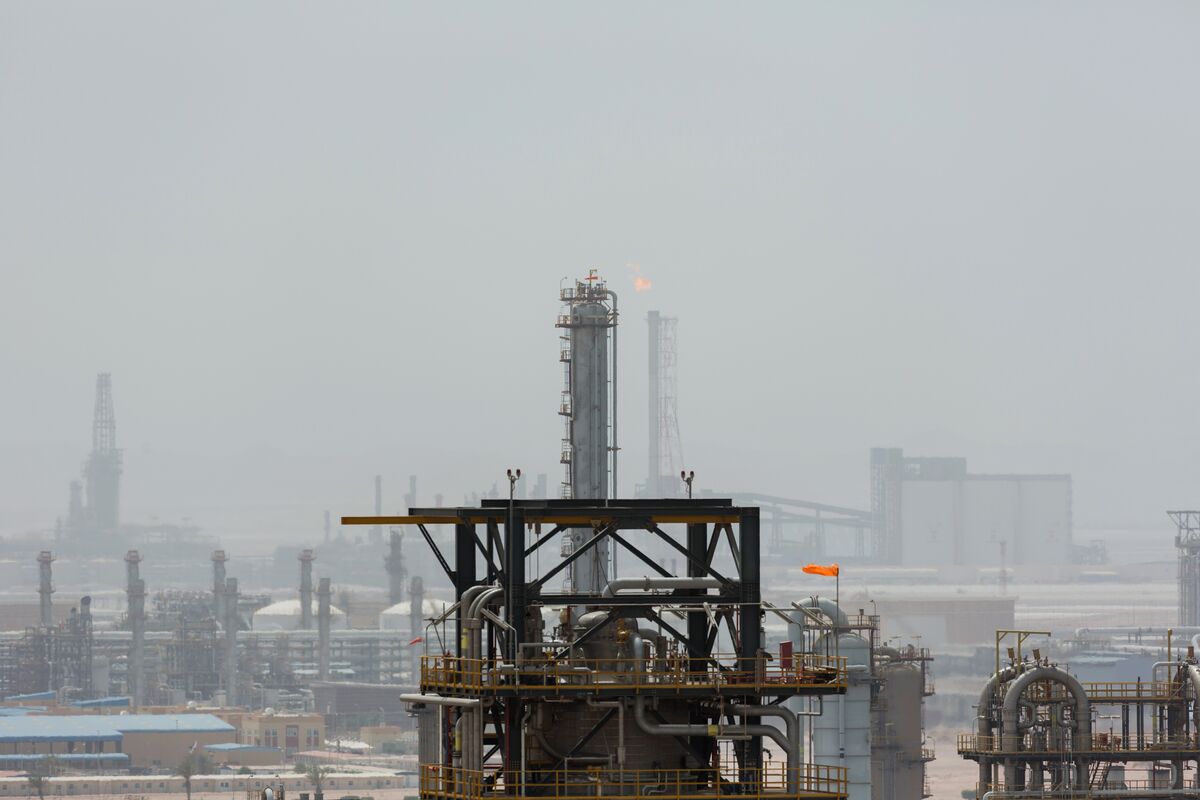
The United Arab Emirates (UAE) has recently achieved a historic milestone by elevating its crude oil production to unprecedented levels. This significant boost reflects Abu Dhabi’s robust response to the disruptions brought about by the conflict with Iran, positioning the UAE as a leader among its Persian Gulf counterparts.
Record Oil Production in the UAE
In the past month, the UAE reached an all-time high in oil output, signaling a critical moment not just for the nation, but also for the global energy market. This increase underscores the UAE’s resilience and adaptability in the face of adversity. While many other nations in the region have struggled to maintain production levels due to geopolitical tensions, the UAE has taken a proactive approach to ensure its oil supply remains steady.
Strategic Responses to Crisis
The UAE’s decision to ramp up production is indicative of a larger strategic framework aimed at navigating regional instability. By enhancing its oil output, the UAE not only fortifies its economy but also asserts its dominance in the oil sector. This move serves as a countermeasure against the ripple effects of the Iran conflict, which threatens to escalate tensions and disrupt supplies across the Gulf.
Moreover, such measures contribute to the UAE’s position as a crucial player in the global energy landscape. The infrastructure and technological advancements the country has invested in over the years have equipped it to handle fluctuations in demand and supply. By increasing its production capacity, the UAE demonstrates its commitment to maintaining its reputation as a reliable energy supplier.
Impact on Global Oil Markets
The surge in oil production from the UAE is likely to have significant implications for global oil markets. Increased supply can lead to stabilization in prices, offering relief to other countries and stakeholders dependent on oil imports. As the UAE steps up its output, it sets off a chain reaction that could influence OPEC policies and pricing strategies among oil-exporting nations.
Moreover, this development may entice foreign investments, rejuvenating interest in the UAE’s energy sector. Investors typically seek opportunities in markets where stability and growth potential are evident, and this recent increase in production highlights the UAE’s favorable position.
In conclusion, the UAE’s recent escalation in crude oil production stands as a testament to its leadership and strategic foresight in navigating turbulent times. By responding decisively to the challenges posed by the Iran war, Abu Dhabi not only secures its economic stability but also reinforces its status as a key player in the global oil industry. As the situation evolves, the implications of this production surge will likely be felt far beyond the UAE’s borders, shaping the future contours of global energy dynamics.