
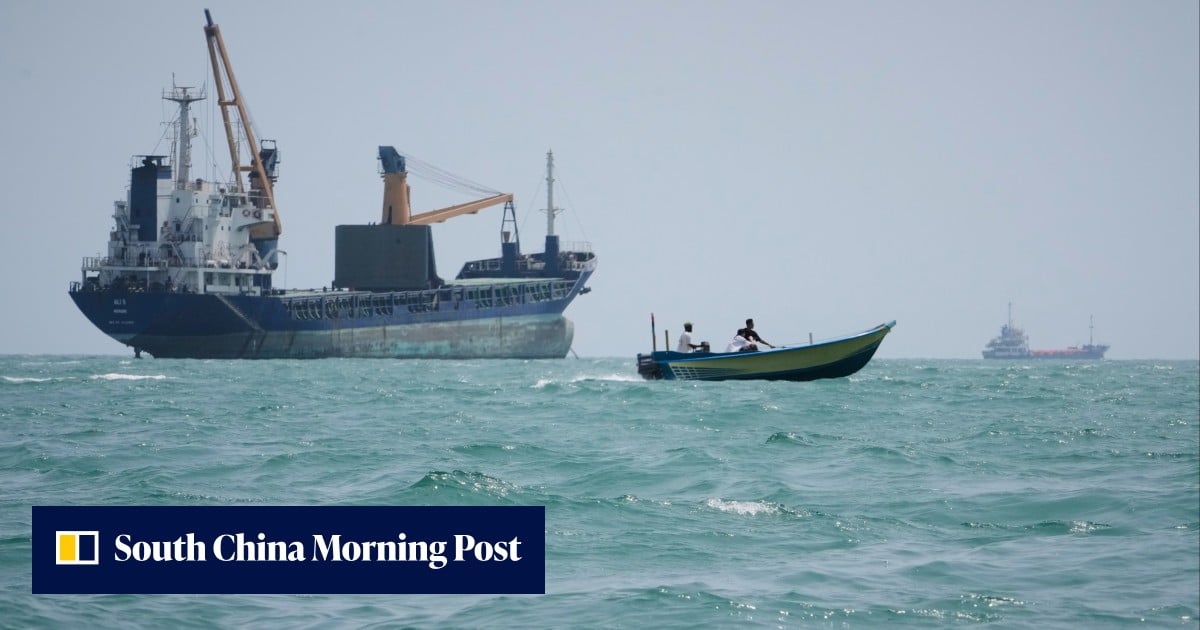
Iran is making headlines as it announces significant developments in both its security and economic policies. Mohsen Rezaei, the head of Iran’s National Security Council, disclosed plans to establish a “prohibited zone” close to the critical Strait of Hormuz. This move comes amid heightened tensions and will undoubtedly have implications for maritime navigation and economic transactions in the region.
New Maritime Regulations Near Strait of Hormuz
According to state media reports, Rezaei stated that in the coming days, Iran will officially declare a prohibited zone that begins at the U.S. Navy’s blockade line and extends across parts of the Persian Gulf. He emphasized that any vessel entering this newly designated area would be subject to sanctions imposed by Iran. This decision appears to be a direct response to ongoing geopolitical tensions in the area, particularly with the U.S., and underscores Iran’s determination to assert its influence over this strategically important waterway. The Strait of Hormuz is crucial for global oil transit, making this announcement particularly significant for international shipping lanes.
Economic Challenges and Petrol Price Hikes
In addition to maritime regulations, Iranian authorities are responding to international sanctions by increasing the price of petrol for heavy consumers. The Iranian government has implemented a tiered pricing system for fuel, which prices petrol based on consumption levels. The first 60 litres of petrol are priced at 1,500 tomans per litre, while the next 50 litres cost 3,000 tomans per litre. Consumers exceeding this quota will face a hefty charge of 5,000 tomans per litre.
Government spokeswoman Fatemeh Mohajerani recently announced that the price for the third tier will double to 10,000 tomans per litre, effective September 8. This adjustment translates to approximately 4.5 U.S. cents. Mohajerani clarified that while various figures had been discussed in expert meetings, the final decision was aligned with the promises made by the president to the Iranian populace. Such alterations in fuel pricing serve as a direct response to the economic pressures that Iran is facing as a result of intensified sanctions aimed at isolating the country economically.
Implications of the New Policies
The establishment of a prohibited zone coupled with increased petrol prices signals a robust stance by Iran to deter foreign influence and secure its economic interests. The geopolitical ramifications are vast, as foreign vessels will need to navigate this newly enforced area with caution to avoid sanctions from Iran. Additionally, the rising cost of petrol can further strain Iranian consumers, who are already grappling with economic hardships.
The tightening economic measures and maritime regulations reflect Iran’s strategic approach to dealing with external pressures, particularly from Western countries. The dual focus on security and economic policy may indicate a broader tactic to fortify national sovereignty while adapting to challenging circumstances. As the situation unfolds, the international community will be closely monitoring these developments, particularly in regards to their potential impact on global oil markets and regional stability.
In conclusion, Iran’s announcement regarding the creation of a prohibited zone in the Strait of Hormuz and the forthcoming petrol price hikes points to a significant shift in its approach to both security and economic challenges. With these new measures, the nation aims to reinforce its position in the region while addressing the mounting pressures from sanctions. As these developments progress, they will undoubtedly reshape the dynamics of maritime navigation and economic activity in the Persian Gulf region.