
Iraq and Syria are taking significant steps to improve trade relations and cross-border transportation, particularly at the recently reopened Al-Waleed-Tanf border crossing. After enduring over 11 years of closure, this crossing represents a vital link for both countries. The collaboration between Iraqi and Syrian officials aims to facilitate smoother movement for trucks and eventually restore passenger traffic.
Strengthening Infrastructure at the Al-Waleed Border
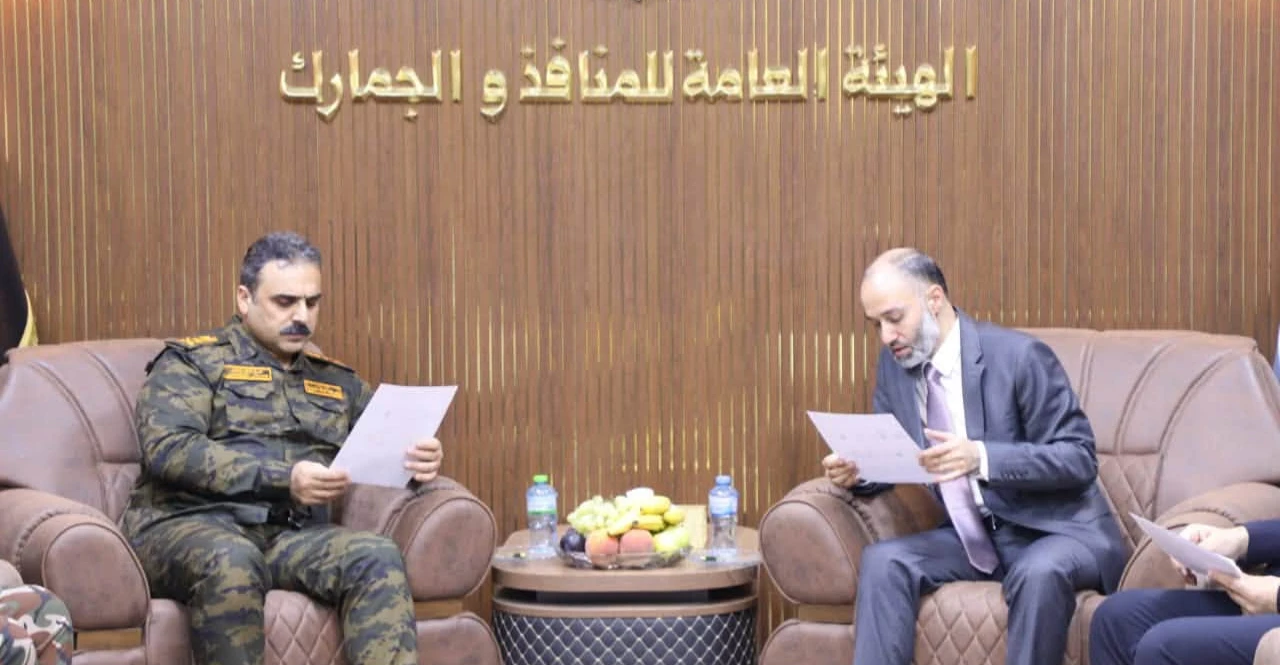
Recently, Omar Adnan Al-Waeli, the head of Iraq’s Border Ports Authority, inspected the Al-Waleed crossing in Al-Anbar province in a meeting with Qutaiba Badawi, the head of Syria’s General Authority for Border Crossings and Customs. During their visit, Al-Waeli evaluated the crossing’s infrastructure, including its facilities and traffic management systems. This assessment is crucial for identifying needs that would enhance the efficiency and capacity of the crossing, ensuring it meets the demands of increasing trade.
Both leaders discussed plans not only to streamline truck traffic but also to resume passenger services following the completion of necessary infrastructure updates. This would enable a more comprehensive reopening of the border, which is seen as essential for bolstering trade between Iraq and Syria. They also addressed logistical elements such as the export of petroleum products and the expedited movement of commercial cargo.
Enhancing Economic Ties Through Continued Cooperation
The ongoing discussions between Iraqi and Syrian authorities highlight the importance of continued collaboration to boost cross-border trade. Syrian officials have expressed the need for ongoing coordination to facilitate increased traffic, signaling a strong intent to improve economic ties. With the reopening of this crucial gateway, trade activity is expected to gain momentum, benefitting both nations as they seek to rebuild and expand their economic landscapes.
Local officials are actively working to address issues such as delays faced by tanker drivers who have been stranded at the border. Imad Al-Rishawi, the mayor of Rutba district, noted that Al-Waeli’s visit was driven by directives to resolve these concerns. Efforts are being made to ensure that drivers receive support, with the goal of minimizing disruptions in transport operations.
Trade Opportunities and Future Aspirations
The revival of trade between Iraq and Syria has gained momentum as the border crossings resume their functions. Energy transit routes are emerging as significant channels for commerce between the neighboring countries. Trade experts believe that road transport is vital for optimizing trade opportunities. Mohammad Imad Mawlawi, a member of the Damascus Countryside Chamber of Commerce, emphasized the need to develop and maintain transport infrastructure that aligns with both nations’ capacities.
The Syria-Iraq border stretches approximately 600 kilometers and features several key crossings, including Al-Yarubiyah-Rabia, Al-Bukamal-Al-Qaim, and Al-Tanf-Al-Waleed. These crossings play a significant role in facilitating trade and movement between the two countries, as well as with Jordan. The Semalka-Faysh Khabur crossing also links northeastern Syria with Iraq’s Kurdistan Region, further enhancing regional connectivity.
In conclusion, as Iraq and Syria work diligently to mend and expand their trade relationships, the reopening of the Al-Waleed-Tanf border crossing stands as a symbol of newfound opportunities. This collaboration not only fosters improved economic ties but also paves the way for further exchanges between the two nations, which could yield significant benefits for their citizens. As progress continues, the focus will remain on creating a seamless and efficient network that nurtures trade and fosters stability in the region.