
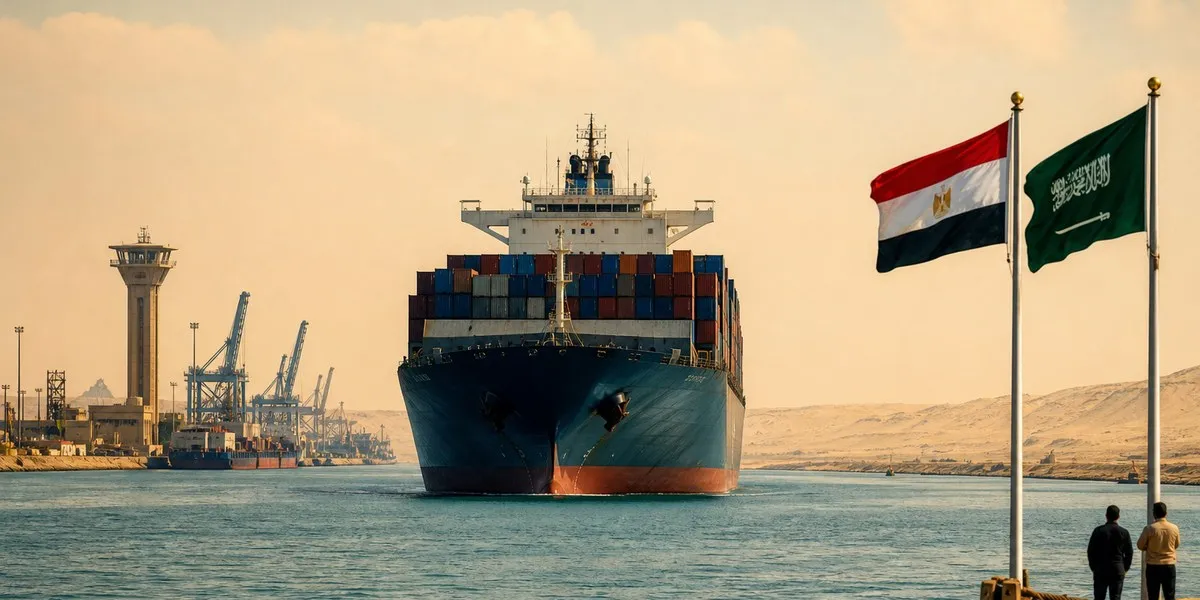
Egypt’s parliament has postponed a critical vote concerning military involvement in the ongoing conflict in Yemen. The decision to delay the vote until October 26 comes in response to a request from President Abdel Fattah el-Sisi, who aims to secure the authority for the Egyptian armed forces to assist Saudi Arabia in defending against attacks from Yemen’s Houthi rebels, should Riyadh make such a plea.
Strengthening Ties with Saudi Arabia
El-Sisi’s request marks a significant shift in Egypt’s foreign policy. Historically, the government expressed support for its Gulf allies but had refrained from committing to direct military action. The recent upsurge in Houthi attacks on key Saudi infrastructures has prompted a reevaluation of this stance. In his address to parliament, el-Sisi emphasized the importance of solidarity with Gulf nations and reiterated Egypt’s readiness to safeguard Saudi interests, highlighting the broader regional implications of these developments.
This shift follows a visit from Saudi Crown Prince Mohammed bin Salman, who met with Egyptian leaders to discuss maritime security in vital stretches like the Bab el-Mandeb Strait and the Red Sea. Both countries share strategic interests, with their lengthy coastlines bringing them closer in terms of security cooperation. This changing dynamic reflects growing security concerns that have necessitated elevated dialogue between Egypt and Saudi Arabia.
Economic Dependencies and Strategic Interests
Egypt’s economic stability is deeply intertwined with its Gulf allies, particularly Saudi Arabia and the UAE. The influx of remittances from Egyptians working in these nations significantly bolsters foreign currency reserves. Since the beginning of political instability in Egypt in 2013, these Gulf states have provided substantial financial support, with investments and loans amounting to tens of billions of dollars. Such economic ties can influence Egypt’s political decisions, including military support.
Beyond economic considerations, Egypt is keenly interested in maintaining secure maritime routes, particularly through the Red Sea and the Suez Canal. These routes are crucial not only for global trade but also for national revenue, as transit fees generate billions annually. The recent drone strike on gas vessels in Damietta has underscored Egypt’s vulnerability to regional conflicts, suggesting the necessity of a collaborative security approach to ensure the safety of these vital maritime pathways.
Deployment Considerations
While the possibility of Egyptian ground troops entering Yemen seems unlikely, analysts speculate that Egypt may offer alternative forms of support. Potential contributions could include air defense systems, aerial support, and naval operations to protect shipping interests and the Saudi coastal regions. Such forms of assistance would align with Egypt’s strategic objectives while also demonstrating Cairo’s commitment to its allies in the Gulf.
The next parliament vote will be pivotal in determining the extent of Egypt’s military involvement in the Yemen conflict and its role in regional geopolitics. As tensions continue to rise, Egypt’s decision could have far-reaching implications for its alliances and national security strategy, underscoring the interconnected nature of Middle Eastern politics and military engagements.