
Introduction
Amid rising concerns about press freedom in Egypt, the Journalists Syndicate has vocally defended six detained journalists from the investigative platform Matsadaash. These journalists face accusations relating to terrorism, which the Syndicate has contested while calling attention to the broader implications for freedom of expression in the country.
Journalists Syndicate Takes a Stand
Khaled Elbalshy, the head of the Journalists Syndicate, emphasized the need for solidarity among journalists, stating that the fate of one can impact the future of all. He articulated that any infringement on a journalist’s rights reflects a broader threat to media freedom, ultimately compromising the protections in place to safeguard that freedom. Amid fierce criticism from pro-government factions, the Syndicate filed a complaint with the public prosecutor, alleging that the detained journalists endured torture while in custody. The authorities have denied these claims and labeled the defense as a misguided effort.
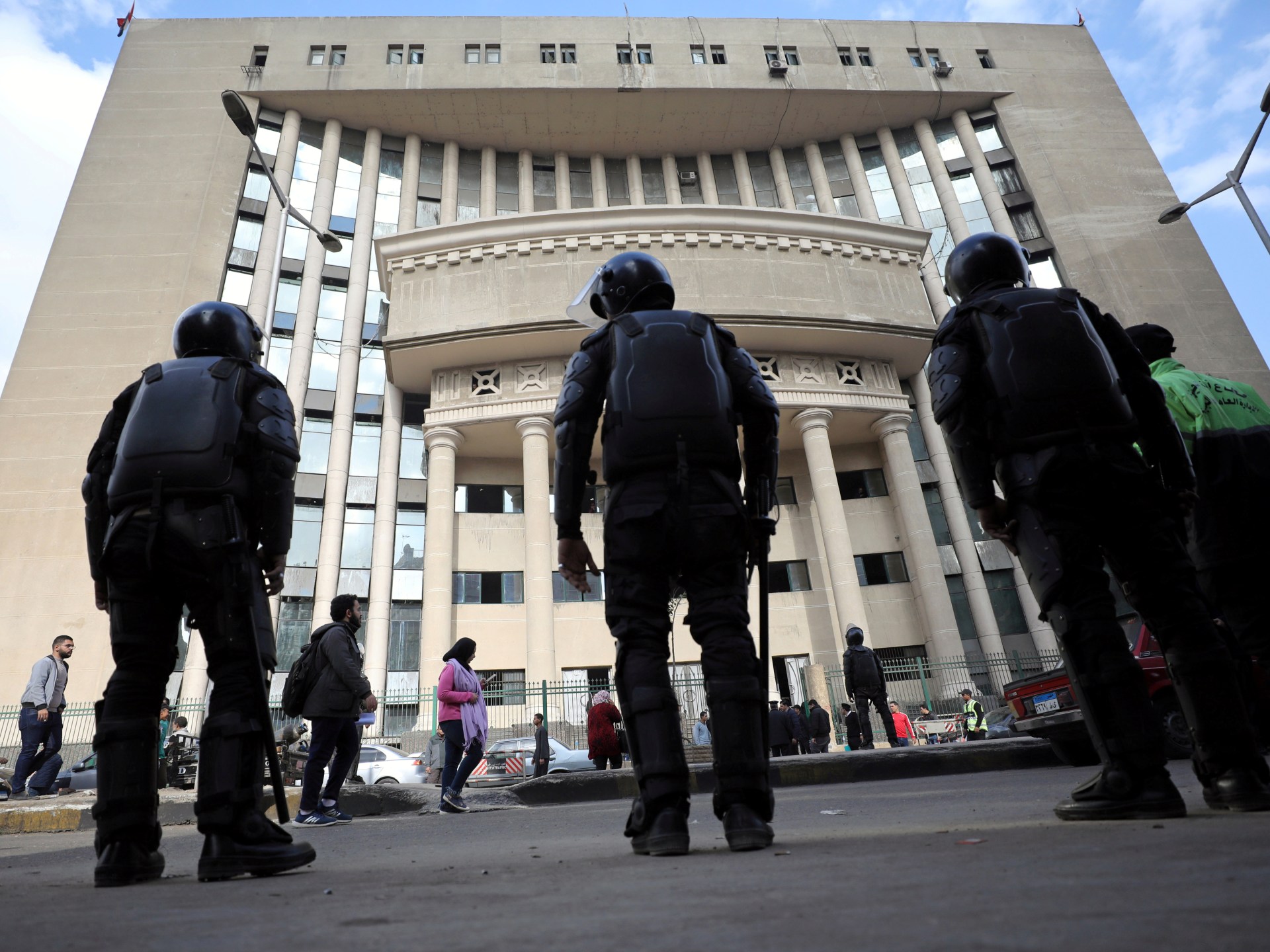
The six journalists—Mohamed Adel, Mohamed Ashraf Abu Emeira, Islam Barakat, Omar Helal, Mohamed Mahmoud, and Abdallah Qadry—were arrested at the end of September and subsequently brought before the Supreme State Security Prosecution. They have been placed in pretrial detention for a duration of 15 days as investigations unfold, fueling apprehension regarding their treatment and the charges they face.
Accusations and Legal Concerns
Egyptian prosecutors have accused the journalists of being affiliated with a media outlet linked to the Muslim Brotherhood, which the government has been targeting since the 2013 coup that ousted Mohamed Morsi. This group has faced denouncement as a “terrorist” organization, a label they have vigorously contested, while human rights organizations argue that authorities are systematically repressing freedoms. Abdelrahman Mansour, co-founder of Matsadaash, has refuted any connection between the platform and the Brotherhood, reinforcing the claim that their journalism is independent.
Elbalshy also stressed the legal principle that individuals are innocent until proven guilty, urging for adherence to due process, particularly given the troubling atmosphere surrounding these arrests.
Reports of Torture and Legal Framework
The Egyptian Initiative for Personal Rights (EIPR), representing the journalists, has reported grave concerns regarding their conditions during detention. Initially, they were held without contact for five days, prompting scrutiny from legal observers. Following complaints, they were eventually allowed to see their lawyers and a Syndicate representative during questioning.
The EIPR pointed out that the journalists are being detained under the 2015 Counterterrorism Law, which permits the holding of suspects before judicial review under specific circumstances. However, the organization criticized the prosecution for failing to establish an imminent terrorist threat justifying such prolonged detention. The allegations include claims of torture, with several journalists reporting physical abuse and coercion into signing false confessions. The Interior Ministry has disputed these claims, raising further questions about the integrity of the investigative process.
Press Freedom Under Pressure
Established in 2018, Matsadaash began as a fact-checking platform but has expanded into investigative journalism, gaining significant traction and over 1.3 million followers on Facebook, despite facing ongoing restrictions in Egypt. Notably, the website remains blocked in the country. Past encounters with Egyptian authorities have included the arrest of journalist Karim Asaad in 2023 after the platform published an inquiry into a suspected smuggling operation involving a flight from Cairo to Zambia. Although Asaad was later released, the incident highlights the risks associated with independent journalism in Egypt.
As the situation evolves, the fate of these six journalists reflects broader challenges facing press freedom in Egypt, prompting urgent discussions about the need to safeguard journalists’ rights amid an increasingly repressive environment.