
Tensions in the Strait of Hormuz: Iran’s Strategic Shifts
Recent developments in the Strait of Hormuz highlight the evolving military strategies of Iran and the intricate balance of power in the region. The threat of rocket-launched mines introduces a new layer of complexity, prompting concerns about both commercial and military navigation. As experts evaluate the implications of these tactics, the United States faces mounting pressure to maintain surveillance and control in this critical waterway.
The Evolution of Iranian Tactics
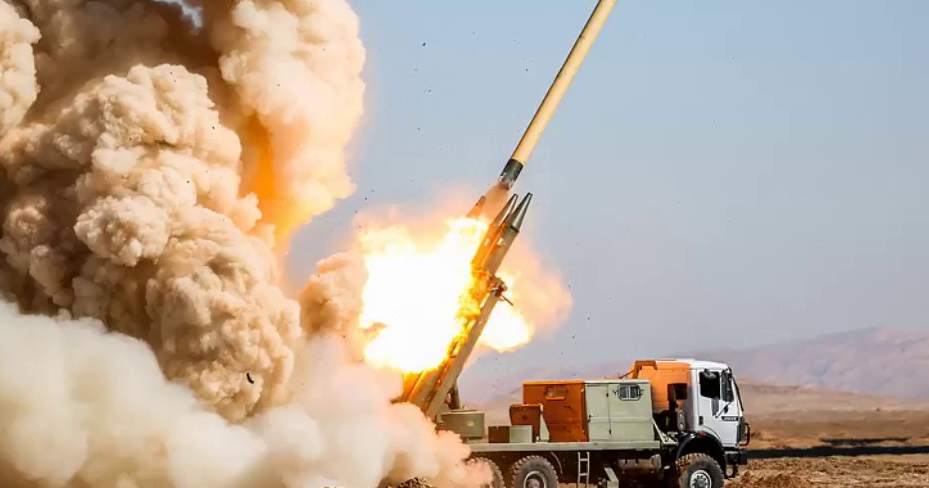
Iran’s military capabilities have undergone significant alterations in the wake of recent conflicts, leading to a shift in its approach to naval warfare. As Iran’s conventional capabilities diminish, it appears to be adopting rocket-launched mines as a substitute for larger, more destructive sea mines that are harder to deploy. Statements from military analysts suggest that this tactic allows Iranian forces to effectively introduce mines without risking exposure to U.S. naval forces monitoring the area.
These developments were recently underscored when U.S. military intelligence intercepted indications of Iranian preparations to launch these rocket-launched sea mines from Larak Island. Quick response operations by U.S. forces successfully neutralized the threat before launch. This preemptive action raises further questions about Iran’s evolving military strategies, as it appears to be responding to both loss and opportunity in a changing battlefield environment.
Impact of Rocket-Launched Mines
Rocket-launched mines, while less destructive than their larger counterparts, still pose significant challenges. The military effectiveness of these mines relies heavily on psychological deterrent effects, rather than sheer destructive power. Experts emphasize that the mere presence of mines—even if they are smaller—can create uncertainty for commercial shipping and military vessels alike, compelling them to reconsider their operational strategies in the area.
The psychological impact of potential mine threats can cause considerable disruption to commercial shipping routes, as ship owners and insurers may take precautions without needing concrete evidence of threats. Historical precedents, particularly during the Tanker War of the 1980s, serve to amplify these concerns, making it crucial for the international community to stay vigilant.
The U.S. Response and Surveillance Burden
The strategic countermeasures necessitated by Iranian tactics significantly shift the operational burden onto the United States. Maintaining constant surveillance of the Strait and associated launch sites adds complexity to the already demanding duties of U.S. military forces in the region. Experts argue that the U.S. must remain one step ahead, ensuring that Iran cannot introduce mines into navigable waters unchallenged.
Continued vigilance has proven effective, with U.S. forces demonstrating their capabilities through rapid responses to emerging threats. However, the very existence of rocket-launched mines complicates the military landscape. Even if Tehran does not deploy them extensively, the potential existence of these mines creates an atmosphere of uncertainty that complicates maritime operations significantly.
Is Restraint Part of Iran’s Strategy?
Despite the recent focus on smaller-scale rocket-launched mines, analysts note that this does not necessarily imply a reduction in Iran’s overall military capabilities. There are indications that Tehran may be exercising restraint with certain weapons systems to avoid escalating tensions with the U.S. and its allies. Some analysts have initiated discussions about whether Iran’s capabilities have been underutilized and whether the narrative of their diminished capacity is overstated.
Moreover, if military leaders and shipping operators maintain a belief in the potential deployment of mines—even if limited—this perception can still exert a meaningful influence on shipping patterns through the Strait. Strategies forged during times of relative restraint may be part of Iran’s larger objective to apply pressure on U.S. interests in the region while maintaining plausible deniability.
Conclusion: Navigating Future Challenges
In summary, the introduction of rocket-launched mines underscores an important shift in Iran’s military strategy. While these threats are strategically important, the ongoing developments in the Strait of Hormuz highlight the broader tactical and psychological battles at play. With the U.S. military bearing the burden of heightened vigilance and response, the dynamics in this crucial waterway will likely continue to evolve amid persistent regional tensions.