
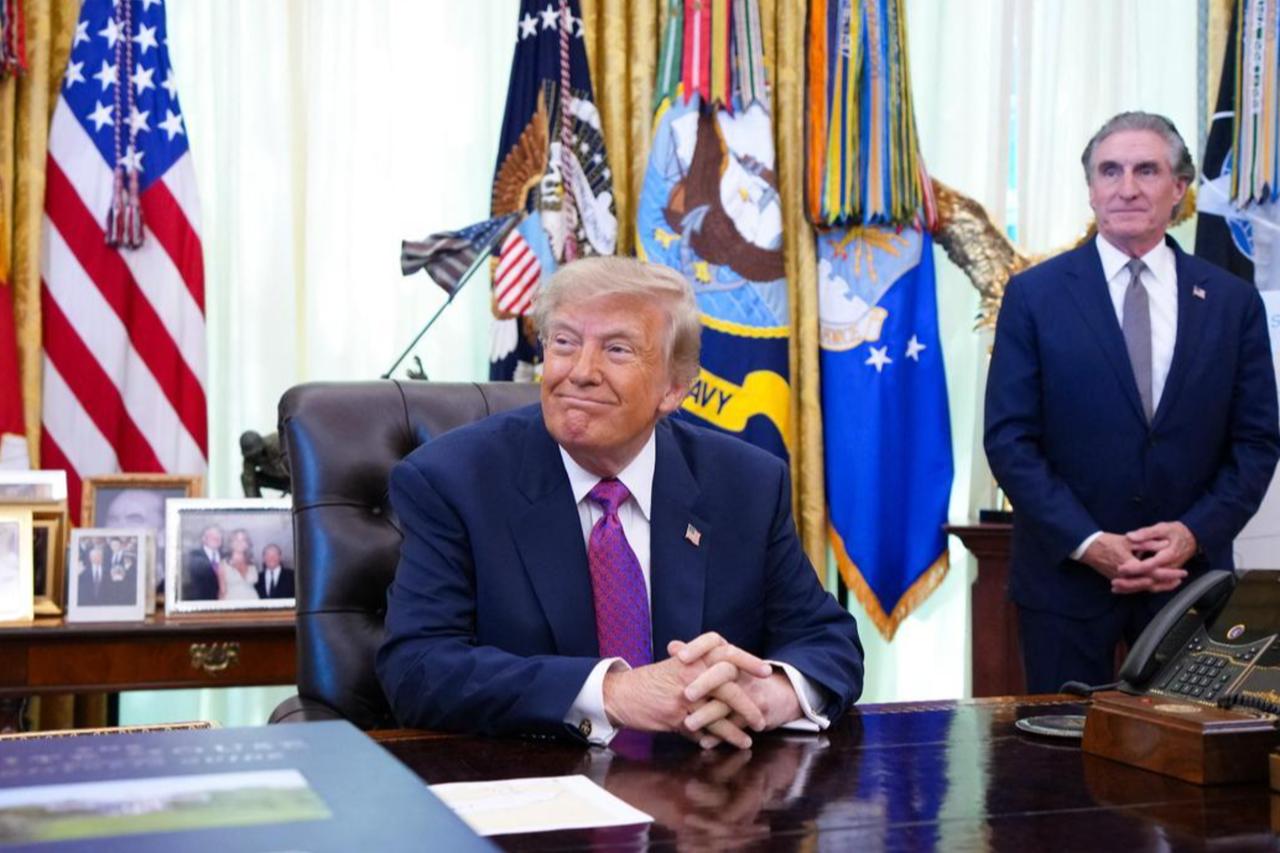
The Trump administration is formulating a post-war strategy for the Middle East, with the primary focus on containing Iran, enhancing cooperation among allies, and fostering normalization between Israel and its neighboring states. This initiative, as reported by Axios and corroborated by credible sources, aims to set the direction of U.S. policy in the region following the conclusion of the conflict with Iran and will extend through the remaining years of President Donald Trump’s term.
The Importance of Timing in Strategy Development
The timing of this strategy is particularly critical, coinciding with significant political events like the upcoming Israeli election on October 27 and the U.S. midterm elections in November. Given these pivotal moments, the administration’s effort is gathering momentum, with discussions involving senior officials across various government agencies. So far, President Trump has convened several meetings with his advisors to outline potential components of this strategy, reflecting a proactive approach to foreign relations in a region marked by volatility.
Despite being in the initial drafting phase, the strategy is anticipated to provide a comprehensive framework to guide U.S. actions in the Middle East after hostilities with Iran. Trump has hinted at a grander vision for the region, expressing aspirations for a transformative post-war landscape that goes beyond mere containment and addresses broader geopolitical dynamics.
Main Components of the Proposed Strategy
According to reports, three key elements have emerged as crucial components of the proposed strategy. The first part would focus on forming a united front among U.S. allies against Iranian influence, with Washington positioned as the guarantor of this alliance. Another essential aspect aims to address the aftermath of significant attacks that occurred on October 7, 2023. The strategy seeks to advance the next phase of Trump’s Gaza plan, which involves establishing security agreements between Israel and Syria, along with implementing existing agreements between Israel and Lebanon.
Additionally, the administration is exploring avenues to expand the Abraham Accords, ultimately aiming for a normalization agreement between Saudi Arabia and Israel. Such developments are expected to set the stage for long-term stability in the region, and the administration is hopeful that a newly elected Israeli government will be receptive to these initiatives.
Seeking Regional Support and Cooperation
While the administration is keen to move forward with its plans, some U.S. officials emphasize that these strategies will proceed regardless of the outcomes of the Israeli elections, even in scenarios where the election results produce a political impasse. This determination underscores the administration’s commitment to reshaping U.S. policy in the Middle East, free from potential electoral disruptions.
Sources indicate that finalizing the strategy will likely take several weeks, as discussions continue to evolve. They emphasize a comprehensive vision that weaves various regional interests into a cohesive alignment post-conflict. However, it remains to be seen whether all U.S. allies in the region will rally behind this proposed approach, as the dynamics in the Middle East continue to be complex and multifaceted.
In conclusion, the Trump administration’s efforts to design a post-war strategy for the Middle East are still in the preliminary stage, yet they reveal an active commitment to counteract Iranian influence, strengthen alliances, and enhance cooperation in the region. As these discussions unfold, the administration’s success will largely depend on its ability to navigate political uncertainties and foster a unified approach among its allies.