
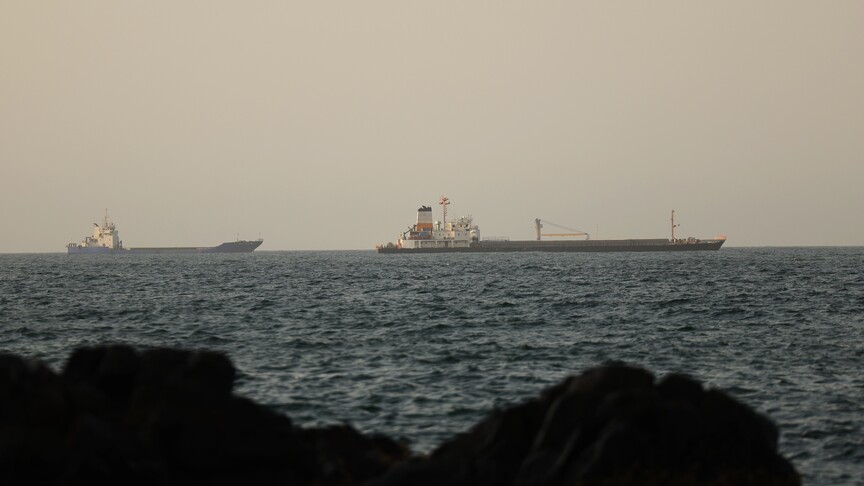
Iran has expressed its strong disapproval of recent US military actions targeting three Iranian oil tankers, labeling them as “illegal and aggressive.” This condemnation reflects a broader narrative in which Iran perceives US actions as part of an ongoing naval blockade and economic warfare against its nation.
Iran’s Official Response
The Iranian Foreign Ministry stated that these assaults mark a continuation of US military aggression, constituting a breach of international law as outlined in the UN Charter. According to their statement, such actions not only represent a war crime but also pose significant threats to international peace and the security of global shipping routes. The ministry emphasized Iran’s unwavering commitment to safeguard its sovereignty and national interests, viewing US tactics as manifestations of “state terrorism and aggressive actions.”
The Stakes of Regional Tensions
Iran accused the US of perpetuating a naval blockade alongside economic warfare, further asserting that these actions include attacks on commercial maritime vessels. The Iranian government laid the blame for any fallout from ongoing US interventions squarely on Washington and its allies, suggesting a sense of accountability for the mess in the region. This rhetoric highlights a broader fear among Iranian officials regarding the potential escalation of conflict in an already volatile area.
The Context of Recent Military Engagements
Prior to Iran’s response, the US Central Command (CENTCOM) reported that its forces had taken action against three Iranian tankers following an incident in which the Iranian Revolutionary Guard Corps (IRGC) reportedly fired ballistic missiles at two US Navy warships in regional waters. This latest series of confrontations has escalated the already tense situation, particularly since joint US-Israeli operations against Iranian targets commenced on February 28. Instead of de-escalating, these efforts have led Tehran to retaliate with missile and drone attacks aimed at both Israeli and US interests throughout the region.
Diplomatic Failures and Stalled Agreements
While Washington and Tehran previously entered into a memorandum regarding the freedom of navigation in the Strait of Hormuz, the implementation of this agreement has faced serious delays, primarily due to ongoing disagreements over security protocols in the area. This tension illustrates the fragility of diplomatic relations and the ease with which military engagements can disrupt ongoing negotiations.
As the situation unfolds, the international community continues to monitor these tensions. Both Iran and the United States find themselves locked in a cycle of provocation and retaliation, a dynamic that poses a substantial threat to not only regional stability but also to global economic interests tied to maritime trade.
The developments illustrate the complexities of US-Iranian relations, as well as the dire need for diplomatic solutions over military engagements. With both sides firmly entrenched in their positions, the path to peace remains fraught with challenges, underscoring the importance of carefully navigating future interactions to avoid further escalation.