
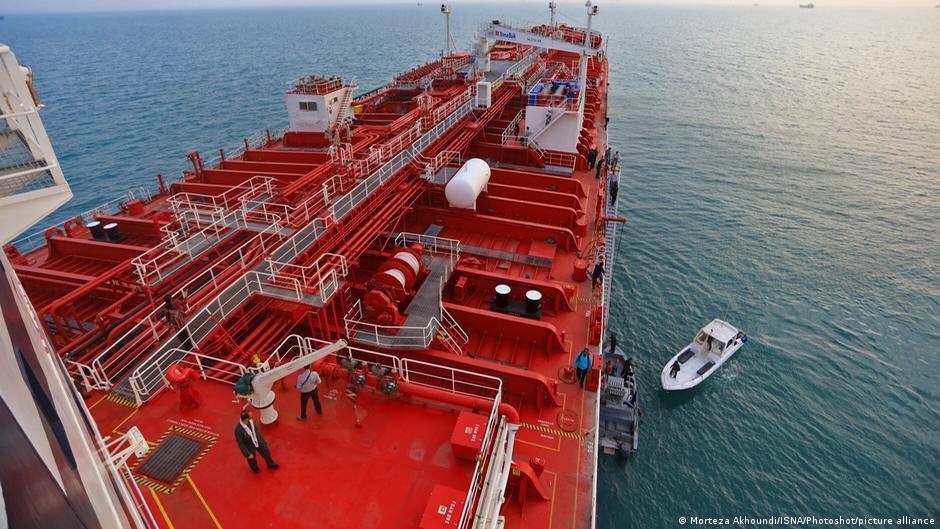
In recent weeks, crude oil exports from the Middle East, excluding Iran, have surged back to levels that exceed pre-war averages. This increase comes despite ongoing military tensions and attacks in critical shipping corridors like the Strait of Hormuz. According to trade intelligence firm Kpler, these exports have consistently reached between 19.5 million and 22.5 million barrels per day (bpd), reviving trade dynamics that had been severely impacted by geopolitical strife.
Resurgence of Crude Oil Exports
In the final week of September, data indicated that oil exports surpassed the pre-war average of around 18 million bpd on multiple occasions. However, the onset of the Iran War drastically altered the shipping landscape, causing a dramatic 72% drop in non-Iranian crude exports within just ten days. This decline prompted a search for new avenues to facilitate oil exports securely and efficiently.
Bypassing the Strait of Hormuz
Countries in the region have implemented various strategies to bypass the now treacherous Strait of Hormuz, a crucial chokepoint for global oil transport. As of September, around 40% of crude exports were navigating routes that avoided this vital sea lane, a notable increase from the mere 17% that utilized alternative paths prior to the outbreak of hostilities. Most notably, around 70% of crude oil from the region was transferred to different tankers in the safer confines of the Gulf of Oman, a stark contrast to the pre-war scenario when such operations were virtually nonexistent.
Saudi Arabia has also ramped up its crude shipments through alternate channels, including pipelines to the Red Sea, while the United Arab Emirates has relied on its pipeline systems to Fujairah. The leading exporters in this recovery phase include Saudi Arabia, Iraq, and the UAE, although Iran continues to face significant hurdles due to U.S. sanctions. Consequently, Iranian exports remain significantly below their pre-war figures.
Ongoing Maritime Threats
As these adjustments take place, the region is not without its risks. Attacks on maritime vessels have surged, particularly in and around the Strait of Hormuz, leading to at least seven documented incidents in recent weeks. For example, reports surfaced on October 1 of a tanker named Kazimah III being struck by an unknown projectile, although fortunately, all crew members were evacuated without harm.
The current situation reflects both a resilience in crude oil exports and an ongoing risk to regional stability. Countries must adapt to these realities, using innovative methods to maintain their oil supplies while navigating a landscape fraught with uncertainties. Looking ahead, how these nations will balance their economic interests amid continued threats will be pivotal for the oil market’s future dynamics.