
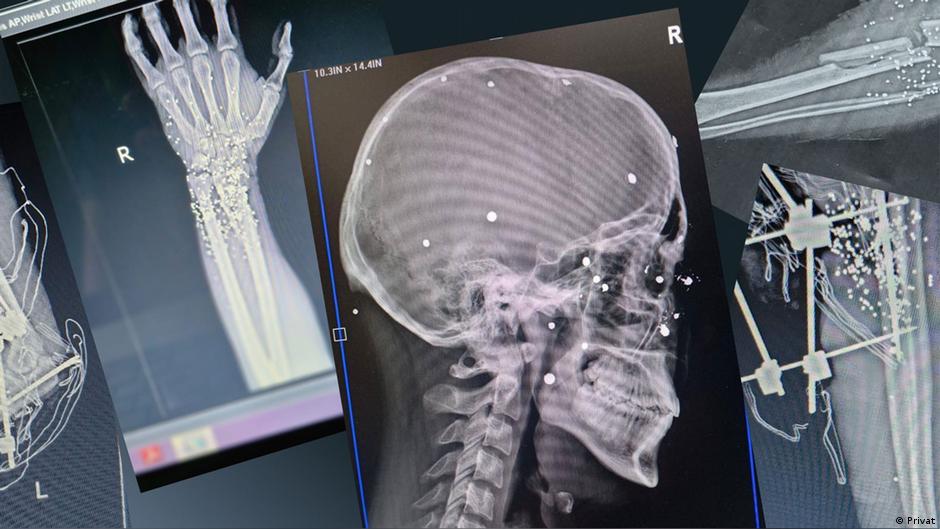
In early 2026, just weeks before military actions by the US and Israel against Iran, a significant uprising erupted in the country. This mass protest was the largest challenge the Iranian regime in Tehran had ever encountered, with thousands of citizens risking their safety to voice their discontent.
The Rise of Protest Movements
Starting in December 2025, the demonstrations were fueled by widespread economic struggles, but they quickly evolved into a more extensive movement. Protesters faced a brutal response from the regime’s security forces, which included the Ministry of Intelligence, the Basij militia, and the Islamic Revolutionary Guard Corps (IRGC). These forces met civilians with violent tactics such as gunfire and physical assaults, leading to a severe and public crackdown that garnered international outrage.
U.S. President Donald Trump even hinted at military action against the Iranian government in a show of solidarity with the protesters, declaring that “help is on its way.” Despite these words, genuine support failed to materialize, and the subsequent war overshadowed any efforts to assist the Iranian populace.
The Impact of the Crackdown
The consequences of this unrest were dire, with unreliable reports indicating at least 3,100 fatalities according to Iranian authorities. However, organizations like Amnesty International suggested that the numbers could be significantly higher due to various factors, including an internet blackout and systematic pressure on victims’ families. Human Rights Activists in Iran (HRANA) reported over 7,000 deaths in their investigations, highlighting the severity of the situation.
Survivors of the crackdown were often unwilling to pursue medical care, fearing repercussions from security forces. For example, a protester named Massoud endured significant injuries from pellet strikes but ultimately declined further treatment due to feelings of shame about being a burden on his family. Many victims struggled at home with untreated wounds, as medical facilities were overwhelmed or unsafe.
Brutality of Security Forces
According to experts, Iranian security forces employed lethal weapons against demonstrators, aiming for critical regions such as the head and chest, suggesting an intent to kill. Reports indicate that even after ammunition ran low, security forces resorted to using knives on protesters. Many individuals who did not participate in the protests were also injured by indiscriminate gunfire, leaving families fearful and reluctant to report incidents.
The impact on the nation extended beyond those directly involved in protests. Individuals like Mahla, a single mother and vendor, were caught in the crossfire while attempting to protect their children, suffering injuries that left them unable to work. The financial strain compounded her struggles, as increasing living costs forced her to leave her home.
The Ongoing Repression
The Iranian government continues to exert pressure on those associated with the protests, maintaining a brutal campaign against dissenters. Reports indicate that earlier this year, several individuals faced execution related to the protests, including many publicly displayed in an effort to intimidate the population.
International human rights organizations have documented these abuses, revealing the ongoing suffering of a population trapped within a repressive regime. Families are left grappling with the loss of loved ones; individuals are haunted by injuries that have changed their lives forever. Those who once protested for change and freedom now face a regime determined to crush any hope of dissent.