
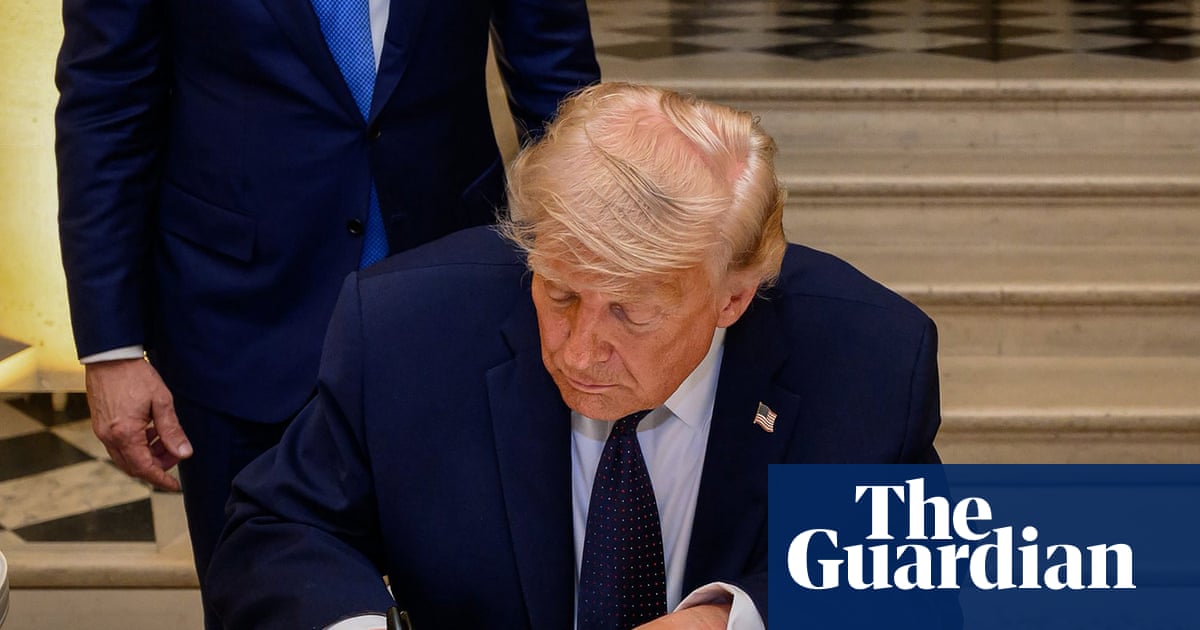
Donald Trump recently lauded his agreement with Iran, suggesting its positive impact on financial markets as evidence of its success. He reassured skeptics, claiming that the market’s approval signifies an end to the economic turmoil that arose following military actions against Iran. Trump argued that without this deal, the alternative would be a looming global recession.
### US-Iran Peace Talks: An Uncertain Future
As optimism surrounding the deal grew, it was swiftly followed by uncertainty when US-Iran peace talks in Switzerland were unexpectedly canceled and then reinitiated. Meanwhile, Iran justified its closure of the Strait of Hormuz due to Israeli bombing in Jordan. The strait is crucial as it facilitates about 20% of the world’s oil supply, and while there are hopes for a return to normalcy, doubts linger about the stability of this vital passage.
Should oil shipments resume, analysts believe it could alleviate anticipated shortages of essential products like jet fuel, which were predicted to become critical if hostilities continued. Energy markets reflected this optimism, with crude oil prices dropping below $80 a barrel for the first time since the inception of the conflict.
### Economic Fallout: A Tale of Diverging Outcomes
The consequences of the war are unevenly distributed across regions. Gulf economies, severely impacted by disrupted exports and direct attacks, are projected to experience recessionary pressures. Analysts at Oxford Economics estimate a decline in GDP by 2.6% in those regions this year. In contrast, the US economy, now a net energy exporter, continues to show resilience, bolstered by a booming investment landscape in artificial intelligence and other sectors. However, American consumers face rising fuel costs, with gasoline prices up by $1 per gallon compared to last year.
Despite his administration’s resilience, Trump faces political challenges. The newly appointed Federal Reserve chair, Kevin Warsh, may need to increase interest rates to combat rising inflation, which recently hit its highest mark in three years. Dario Perkins from TS Lombard anticipates that the Federal Reserve may raise rates up to four times, targeting a range of 4.5% to 5% by the end of next year.
### Global Implications: Inflation and Market Stability
Across the Atlantic, European nations, dependent on gas imports, are grappling with their own economic challenges. The European Central Bank recently raised interest rates for the first time in three years due to soaring inflation. The UK, while seeing less acute inflation than its European counterparts, remains cautious as confidence dips and job stability wavers. Economists predict additional inflationary pressures in the coming months, albeit with limited impact on overall growth.
On a global scale, several developing countries must now ration fuel amidst soaring prices and face rising fertilizer costs. This has led to what is being termed “demand destruction,” a scenario where consumers reduce usage due to excessive costs, preventing oil prices from rising further.
### Cautious Optimism: Future Prospects in the Middle East
Despite Trump’s optimistic framing of the situation, many uncertainties remain about the Iran deal’s durability and the future of the energy market. Political analysts caution that regional conflicts could easily reignite, especially if diplomatic negotiations falter or if Iran’s nuclear ambitions come into question. Some even suggest that U.S. policymakers must treat the agreement as fragile, highlighting potential pitfalls that could derail progress.
Although the agreement signals a possible easing of tensions, experts like Ryan Sweet indicate that the effects of this conflict will persist. The recovery of oil markets isn’t guaranteed, especially considering the necessary time to restore Gulf oil infrastructure and the risks of supply disruptions as nations reevaluate their energy dependencies. In light of these complexities, a return to pre-conflict conditions may be more elusive than initially hoped.