
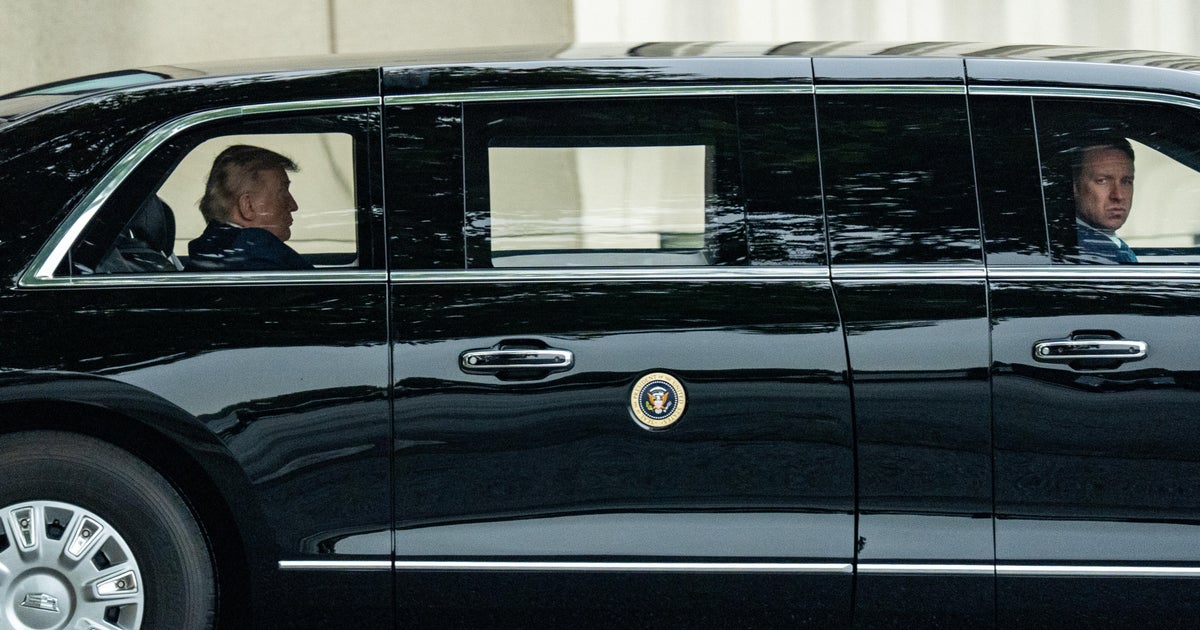
During his visit to Walter Reed National Military Medical Center, President Trump took the opportunity to meet with American service members. However, he notably did not visit any of the 14 troops recovering from injuries sustained during the conflict with Iran. This omission has sparked questions from both family members of the injured soldiers and military officials.
Trump’s Engagement with Service Members
The White House confirmed that President Trump met with troops as part of a routine six-month checkup at this premier military hospital. Yet, when pressed about whether he had interacted with soldiers who were casualties of Operation Epic Fury, officials were unable to provide a clear answer. A White House representative stated, “President Trump was honored to meet with our amazing service members and medical staff while at Walter Reed Medical Center,” but did not elaborate on the reasons for his lack of interaction with the wounded troops.
Sergeant Cory Hicks is one of the injured soldiers still recovering at Walter Reed after an Iranian drone attack in March that resulted in the deaths of six American soldiers and injured many more. Hicks, who sustained serious injuries including a severed spleen and traumatic brain injury, reflected on his lengthy military career and the ongoing struggle of recovery in a recent interview. “I’ve come a long way — that’s for sure,” Hicks said. “This [recovery from wounds] is a different battle. You’ve got to fight once you get injured.”
Tributes and Acknowledgments
In the days leading up to his visit to Walter Reed, President Trump paid tribute to the 13 soldiers who lost their lives during Operation Epic Fury during his Memorial Day speech at Arlington Cemetery. He referred to them as “wonderful souls” who made the ultimate sacrifice to prevent Iran from acquiring nuclear weapons. During a Cabinet meeting the following day, he reiterated these sentiments by stating that losing these soldiers was a “terrible thing.” His remarks prompted discussions about the loss and sacrifices made by U.S. service members.
Traditionally, it has been customary for U.S. presidents to meet with wounded soldiers and express their gratitude. Former President George W. Bush, for example, highlighted the honor of meeting the injured and their families during a visit to Walter Reed in 2004. In contrast, Trump faced criticism during his first term for downplaying the severity of injuries sustained by service members, labeling some as being “not very serious.” Such comments have created a perception of insensitivity toward troops who have faced life-altering injuries.
The Harsh Reality of War
The ongoing conflict with Iran has seen a significant number of U.S. troops impacted. According to the Department of Defense, a total of 409 service members have been reported injured in this conflict, with Defense Secretary Pete Hegseth stating in a recent congressional testimony that around 90% of these personnel have returned to active duty. The aftermath of these engagements has placed a significant strain on recovering soldiers like Hicks, who navigates both physical and emotional challenges.
Hicks described the deep emotional wounds he carries, mentioning the loss of his fellow soldiers, which adds a complex layer to his recovery. “The invisible wounds are hard to heal,” he said, emphasizing the burden of survivor’s guilt that many service members experience. As he continues to recuperate, Hicks represents not just the physical scars of war but also the profound psychological toll it takes on individuals who serve.
In a time when understanding and supporting our service members is vital, the absence of a presidential visit to wounded troops can raise questions about priorities and commitments. The struggles faced by these soldiers serve as a reminder of the human cost of conflict and the need for empathy and support from leadership.