
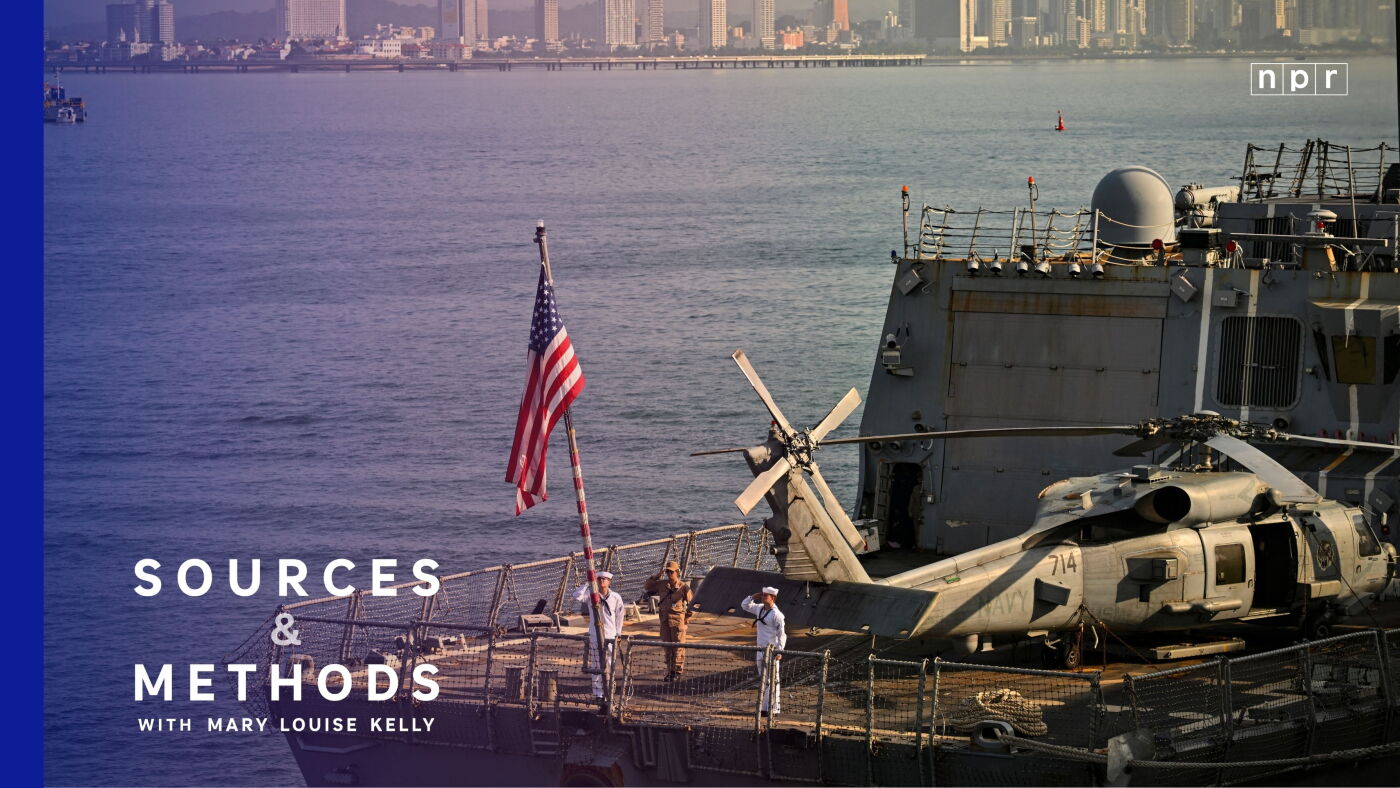
The current state of U.S. military involvement in the Western Hemisphere is garnering significant attention. With actions such as targeting maritime vessels and increasing stakes in Venezuelan oil, many are wondering what the U.S. administration aims to achieve in this crucial region. This discussion not only highlights military strategies but also draws parallels to historical conflicts, illuminating the complexities of U.S. foreign policy.
Understanding U.S. Military Actions in the Western Hemisphere
Recently, the U.S. military has ramped up its operations, which include destroying boats believed to be involved in drug trafficking and other illegal activities. This assertive stance is indicative of a broader strategy aimed at stabilizing the region, particularly in relation to Venezuela. The U.S. administration’s engagement in Venezuelan oil production also raises questions about economic considerations intertwined with military initiatives. By acting against perceived threats, the U.S. aims to bolster security while simultaneously securing its interests in global oil markets.
The Trump Administration’s “Donroe Doctrine”
A key aspect of the current U.S. approach is the so-called “Donroe Doctrine,” a play on President Monroe’s historic policy regarding Latin America. This modern interpretation seeks to counteract foreign influences, particularly from adversarial nations like China and Russia. By reinforcing its military presence and economic ties within the region, the administration seems determined to assert American dominance and protect its strategic interests. The implications of this doctrine extend beyond the battlefield, impacting diplomatic relationships and economic policies across the hemisphere.
Historical Parallels: Lessons from Past Conflicts
The current military engagements draw striking similarities to earlier U.S. involvements in the Middle East, especially the conflicts that followed 9/11. Discussions around these historical events raise concerns about potential quagmires that could ensue from prolonged military commitments. Just as the Iraq and Afghanistan wars reshaped U.S. foreign policy, ongoing operations in Latin America could lead to unintended consequences. These comparisons urge policymakers to reflect on the lessons learned from past experiences to avoid repeating the same mistakes.
Implications for Global Stability
As the U.S. navigates its involvement in the Western Hemisphere, the broader implications for global stability should not be overlooked. The military actions taken today could affect international alliances and fuel tensions with nations that view American interference unfavorably. Balancing military might with diplomatic efforts will be crucial for the U.S. in maintaining a stable and cooperative environment in Latin America. A comprehensive approach may foster better relationships and contribute to long-term regional stability.
In conclusion, the U.S. military’s escalated actions in the Western Hemisphere not only aim to address security challenges but also reflect a broader strategy concerning economic and geopolitical interests. The evolving landscape, influenced by historical precedents and contemporary policies, requires careful consideration to navigate the complexities involved. How the administration chooses to apply these lessons will be critical in shaping the future of U.S. engagement in Latin America.