
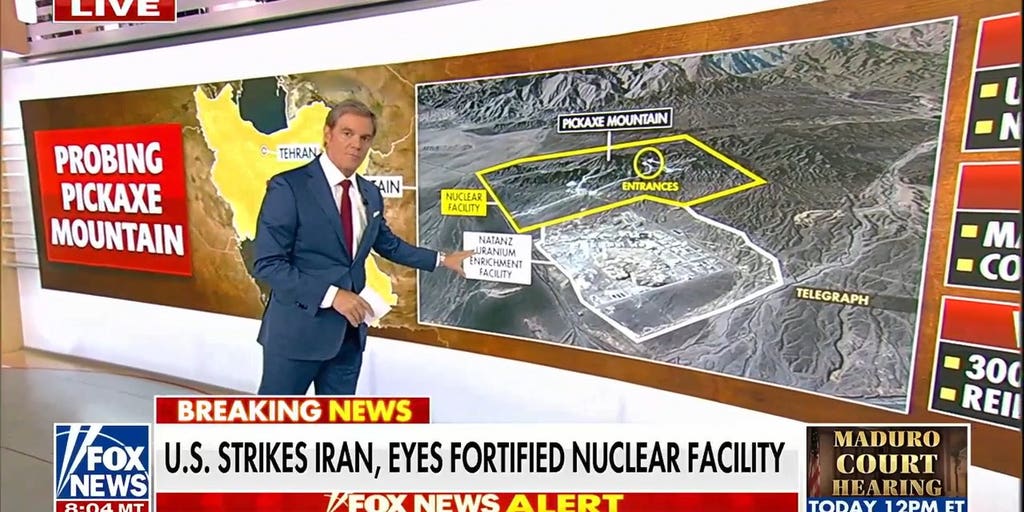
In a recent appearance on “America’s Newsroom,” Brian Hook, the former U.S. Special Representative for Iran, shared insights into the geostrategic significance of Pickaxe Mountain, an alleged nuclear site in Iran. As tensions continue to rise regarding the nation’s nuclear ambitions, this facility has become a focal point in discussions surrounding potential military action and international security.
The Risks of Military Action Against Pickaxe Mountain
Hook addressed the complexities involved in targeting Pickaxe Mountain, a facility thought to be fortified against aerial assaults due to its underground nature. The strategic challenge lies not only in the potential repercussions of military strikes but also in the risk of escalating tensions in an already volatile region. The P5+1 negotiations and subsequent agreements aimed at curbing Iran’s nuclear pursuits have often faced criticism for being ineffective, leading to calls for more aggressive posturing from U.S. officials.
The American military’s capability to execute pinpoint strikes is commendable; however, hitting a deeply embedded nuclear site like Pickaxe Mountain could lead to unintended consequences, including a retaliatory response from Iran. Hook noted that any decision to strike should weigh not just the immediate military objectives but also the broader implications for U.S. foreign policy and regional stability.
China’s Influence and National Security Concerns
In addition to the conversation about Iran, Hook also delved into the broader implications of China’s advancements in artificial intelligence, specifically referencing the Kimi K3 model. The deployment of such technology holds significant potential for altering the balance of power not just in Asia but also globally. An AI model that can enhance military operations or cyber capabilities poses a substantial threat to U.S. interests and its allies.
The intersection of artificial intelligence and national security is increasingly coming to the forefront of strategic discussions. Hook’s observations suggest that countries like China, which are rapidly developing their technological capabilities, might be able to outpace U.S. efforts in both defense innovation and nuclear deterrence. This scenario necessitates a comprehensive approach to ensure that the U.S. is not only prepared for potential confrontations in the Middle East but also adequately equipped to respond to challenges posed by advancements in AI and technology that could emerge from rival nations.
The Path Forward: Strategic Considerations
Given these evolving threats, the U.S. must craft a balanced strategy that addresses both immediate concerns regarding Iran’s nuclear capabilities and broader geopolitical shifts brought about by rising powers such as China. The importance of diplomatic channels remains paramount. Effective negotiations could de-escalate tensions around sensitive sites like Pickaxe Mountain while simultaneously mitigating the advancement of adversaries in the tech sector.
To navigate these challenges effectively, the Biden administration, along with its allies, must remain vigilant and open to reassessing their strategies. Whether through traditional military measures or diplomatic negotiations, the overarching goal should be to maintain a stable international order while safeguarding national security interests. The complexities of the current global landscape make this not only a necessity but a pressing obligation.