
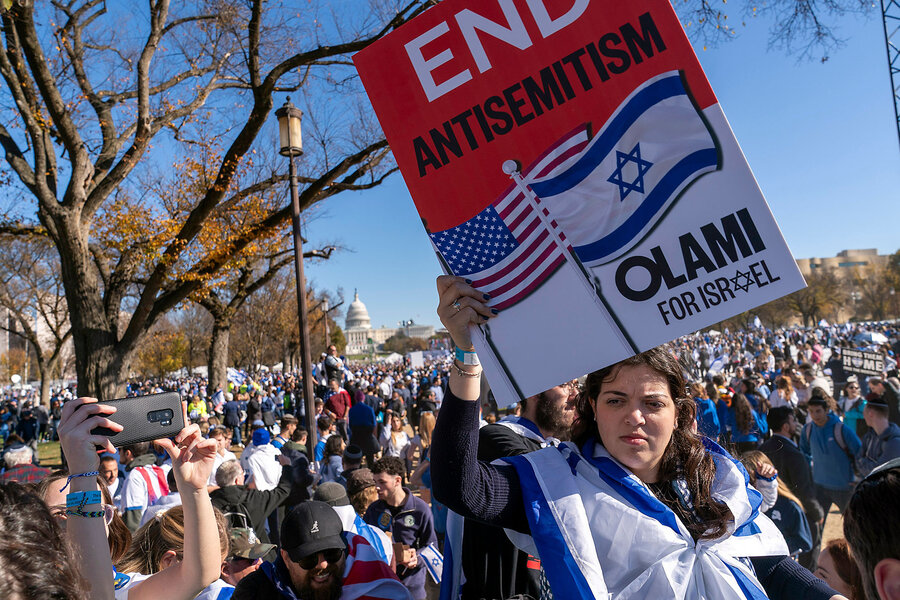
When Melanie Topper sent out invitations for her daughter’s bat mitzvah this past December, she included a note to inform guests—especially those not familiar with Jewish customs—that a police car would be stationed outside the synagogue and armed security would be present at the entrance. This precaution was taken in response to the rising tide of antisemitic violence that has increasingly affected Jewish communities across America and internationally.
Understanding Current Antisemitism
In recent years, many American Jews have become increasingly aware of and vocal about the climate surrounding their identities. According to Topper, she wanted to prepare her guests, understanding that ignorance often stems not from malice but from a lack of exposure to Jewish culture and issues. The ongoing wave of antisemitism, particularly after events such as the October 7th attacks by Hamas, has left many in the Jewish community feeling vulnerable.
This shift has prompted Jews to explain their concerns to friends and associates. The repercussions of antisemitism have caused painful rifts in some friendships and communities, especially among those with differing views on Israel and its policies. Many Jews report feeling disoriented, as if they have been thrust into a drastically altered social landscape.
A Crisis of Identity
This heightened tension has led to introspection within the Jewish community. Rabbi Andy Vogel from Temple Sinai in Massachusetts emphasizes the urgent questions Jewish individuals are contemplating: What does it mean to be American and Jewish today? Many Americans, including nearly half of them, now believe the country is overly supportive of Israel, reflecting a marked shift from previous sentiments.
Historian James Loeffler’s recent book, Exceptional Hatred, sheds light on how events like the October 7th attack have polarized conversations on college campuses and beyond. The dialogue surrounding Israel and Palestine has been simplified into rigid categories, leaving little room for discussing multifaceted issues or acknowledging the grief of all affected.
The Rise in Antisemitism
Antisemitic incidents have surged dramatically over the last decade, despite a recent decrease in certain types of hate crimes. A significant portion of these incidents has been linked to discussions around Israel and Zionism, according to the Anti-Defamation League. Shocking examples of violence include thwarted plots targeting synagogues, highlighting the urgent need to address these threats.
Fear is prevalent among Jewish individuals. A recent survey indicated that about 30% of Jewish Americans feel unsafe, with many reporting incidents of verbal abuse and property damage linked to their Jewish identity. Furthermore, in social circles where anti-Zionism is prevalent, individuals often find themselves marginalized or openly challenged, exacerbating feelings of isolation.
Building Community Amidst Tensions
In response to these challenges, some American Jewish communities are taking proactive measures. Rabbi Vogel’s temple, like many others, has increased its security budget significantly since the tragic Pittsburgh shooting in 2018. Community leaders are not only focusing on protection but also on fostering understanding and solidarity with other marginalized groups. By forging coalitions with immigrant advocacy organizations, they aim to create a more inclusive environment.
Amid the chaos and fear, Jewish communities are seeking pathways toward dialogue, urging conversations about peace and understanding. Engaging with sensitive topics surrounding Israeli politics while fostering connections with broader social justice movements can contribute to a more supportive atmosphere.
As the Jewish community navigates this transformative and challenging time, the fundamental question remains: What does it mean to be an American Jew today, and how can individuals and communities support one another amidst growing hostility?