
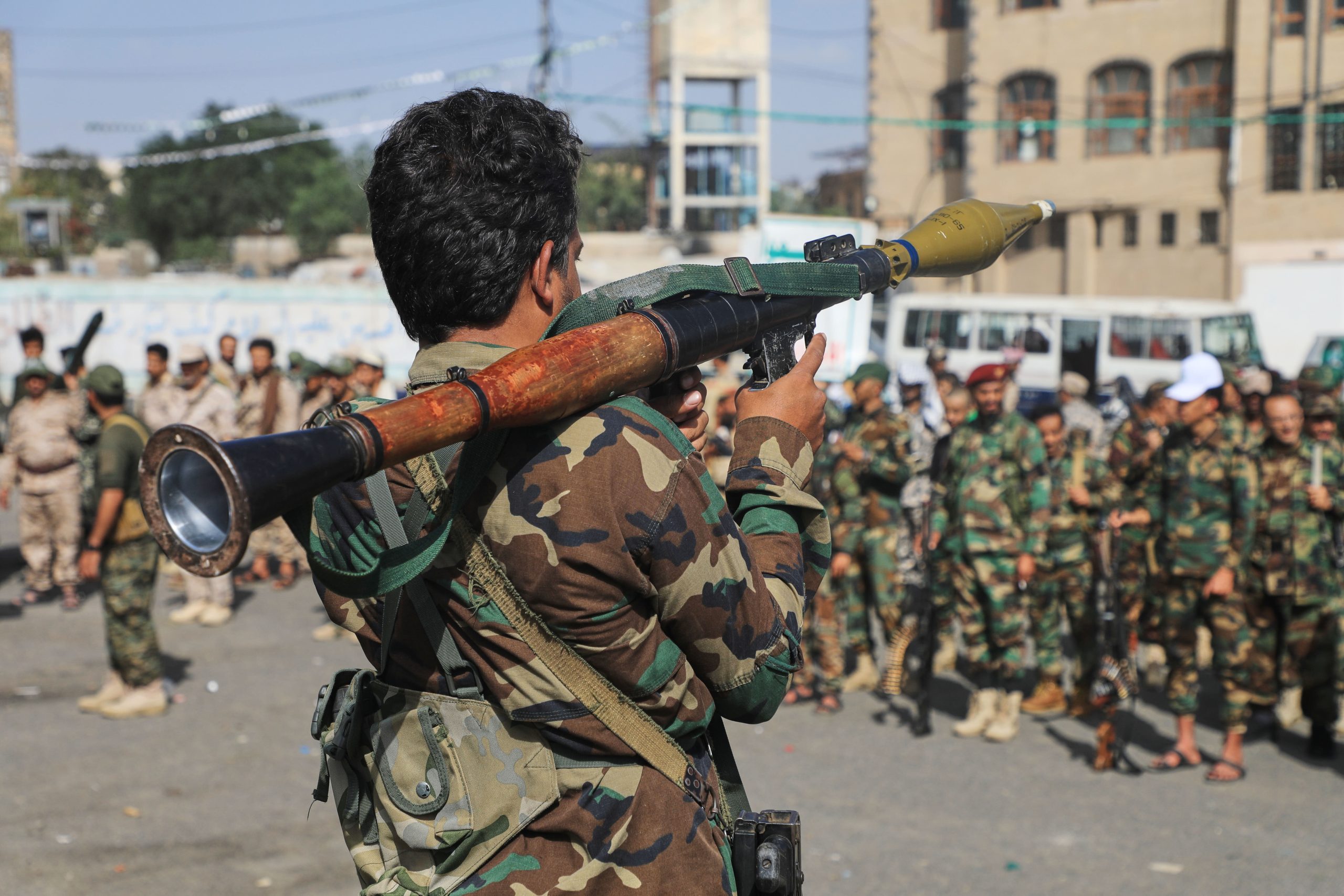
After nearly three years following the October 7, 2023, Hamas attacks that escalated conflict in the Middle East, the landscape of Iran’s ‘Axis of Resistance’ has significantly changed. While some of Iran’s allied proxy groups have experienced operational setbacks, others have adapted and even thrived amid evolving geopolitical tensions. This article explores the impact of U.S. and Israeli military campaigns on Iran’s proxies, the current state of key groups such as Hezbollah and the Houthis, and the responses of various actors in this complex theater of conflict.
The Transformation of Iran’s Proxy Forces
The ongoing military confrontation between the U.S. and Israel against Iranian interests has placed substantial strain on the proxies within the ‘Axis of Resistance.’ The Islamic Revolutionary Guard Corps (IRGC), a key player in Iran’s regional strategy, has relied heavily on its affiliated militias for both offensive and defensive maneuvers. In light of recent military actions and political pressures, various proxy factions in Iraq, Lebanon, and Yemen have found themselves acting increasingly independently as they confront mutual adversaries, including Saudi Arabia and Israel.
Lebanese Hezbollah, traditionally seen as the flagship of Iran’s regional influence, has suffered significant degradation due to relentless Israeli military operations. Despite calls for disarmament, Hezbollah remains steadfastly armed and operational. The recent Israeli offensive targeting the Ali al-Taher ridge exemplifies the continued hostilities between the two entities, despite a U.S.-mediated ceasefire agreement calling for the withdrawal of Israeli forces from southern Lebanon. This situation highlights the complexities surrounding Hezbollah’s disarmament, which experts view as an improbability given the group’s deeply entrenched political and military infrastructure.
The Houthis: An Evolving Threat
Meanwhile, the Houthi movement in Yemen, arguably the most active member of the Axis, has regained momentum in its conflict against Saudi Arabia and the internationally recognized Yemeni government. Initially sidelined in the U.S.-Israeli struggle against Iran, the Houthis have since expanded their military capabilities and have engaged in confrontations that impact significant maritime routes, such as the Bab el-Mandeb Strait. Their ability to orchestrate military operations against global shipping has drawn American military responses but has also served to enhance their narrative of resistance.
New reports indicate that the Houthis have acquired the technical capabilities to manufacture advanced weaponry domestically, reducing their dependence on Tehran. With support from Chinese suppliers, the group has progressed in developing more sophisticated military technologies, which continue to challenge regional stability. The dual-use goods provided by China not only bolster their military strength but also align closely with Iran’s own weapons initiatives, setting the stage for a more self-sufficient Houthi apparatus that could further complicate the conflict.
The Iraqi Landscape and Global Implications
In Iraq, Prime Minister Ali al-Zaidi’s commitment to disarming Iranian-backed militias faces substantial hurdles due to their integration into the fabric of the state. These militias have carved out political legitimacy and often engage in operations that advance Iranian interests, complicating their relationship with the central government. A recent drone offensive alongside the Houthis against Saudi Arabia underscores the extent of these militias’ operational reach and autonomy.
On the Palestinian front, groups like Hamas and Palestinian Islamic Jihad remain critical components of Iran’s strategy but have faced severe setbacks in the wake of intensified Israeli military actions. Although they have been labeled “defeated” by Israeli sources, their attempts to regroup and retain influence indicate a resilient effort to continue operations, even in the face of harsh military campaigns. Moreover, the displacement effect observed in these groups has led to increased attempts to conduct external operations in Europe, raising alarm over potential threats to Jewish communities and Israeli interests abroad.
The situation surrounding Iran’s Axis of Resistance is multifaceted and increasingly complex. As proxy forces adapt to new realities, both Iran and its adversaries must navigate an ever-growing landscape of challenges that could transform the region’s geopolitical dynamics. The shifting capabilities and strategies of these groups not only shape the immediate conflicts but also impact global security considerations, highlighting the urgent need for comprehensive diplomatic engagement and resolution strategies.