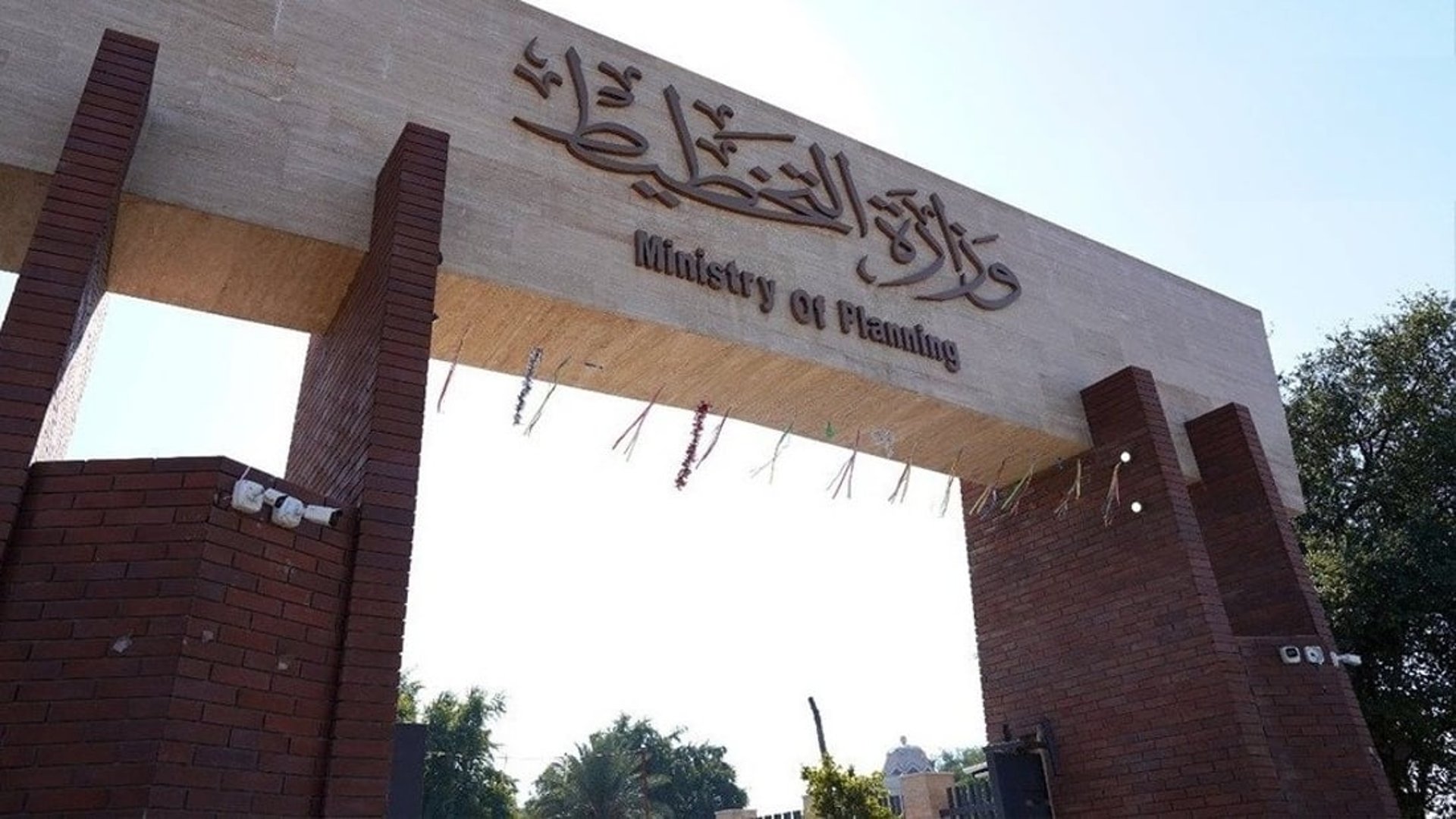
Baghdad is on the verge of a significant demographic shift, as projections by Deputy Planning Minister Maher Hammad Juhan indicate that Iraq’s population is set to exceed 50 million by 2030. This increase is expected despite a gradual decline in the country’s birth rate, which currently sees an annual addition of approximately 1 to 1.25 million new citizens.
Current Population Data and Growth Trends
The recent census, conducted in November 2024—the first in almost 40 years—reported a population of 46,118,793 people, which includes 340,131 foreign residents across 8,054,385 households. This figure represents an average household size of 5.7 individuals and an annual growth rate of about 2.5%. Juhan noted that while fertility rates are dropping, this trend should be regarded as a positive development, suggesting an improved capacity for the government to deliver essential services. However, he cautioned that Iraq’s growth rate remains one of the highest in the region, a sign that calls for proactive measures.
The change in fertility rates is attributed to multiple factors, predominantly the rising levels of education among women and shifting cultural perspectives on family size and the timing of marriage. Juhan emphasized that this demographic information is crucial for future planning in various sectors, particularly in education and housing.
Housing and Infrastructure Challenges
With an annual population increase of around 1.25 million, there is an urgent need for adequate housing and educational facilities. Juhan pointed out that households, typically consisting of five to six members, will require around 200,000 new homes to meet these demands. The findings of the census revealed that over 70% of families own their homes, while approximately 30% are renters. Interestingly, while the number of homes roughly matches the number of households, much of the existing housing stock is aging, and many community members find themselves residing in informal settlements.
Youths and Economic Opportunities
Another pressing concern is the demographic composition, where about half of Iraq’s population is under the age of 25. However, only 30% are currently participating in the labor market, a statistic that economist Manar al-Obaidi recently highlighted. He warned that the government will face escalating protests from the youth who will struggle to find employment opportunities, indicating a potential source of social unrest that the next government must address.
To successfully navigate these complex challenges, a multifaceted approach is necessary. This includes investment in education, job creation, and infrastructure development—ensuring that Iraq’s burgeoning population can thrive in a rapidly changing economic landscape. By prioritizing these areas, the government can harness the youth demographic as a powerful engine for future growth rather than a source of instability.
In conclusion, Iraq stands at a demographic crossroads, and the decisions made in the coming years will fundamentally shape its future. Addressing the needs of a growing population will require strategic planning, innovative solutions, and a commitment to enhancing the quality of life for all citizens.