
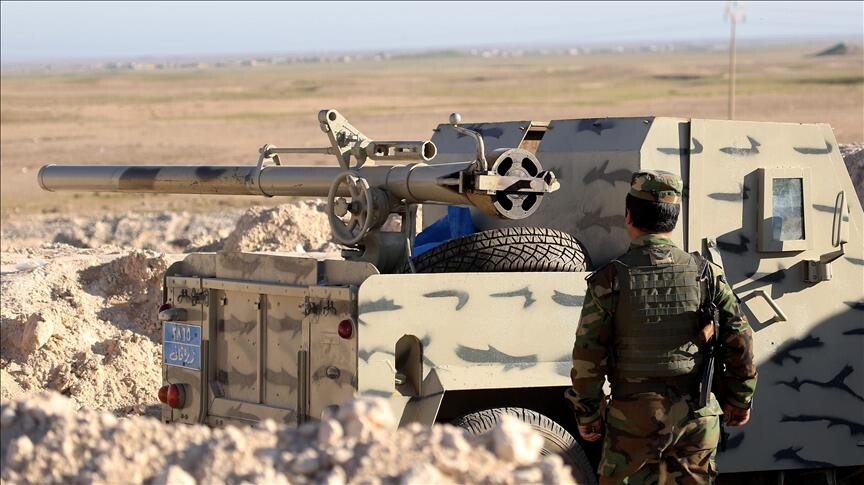
In light of recent developments regarding US assistance to the Kurdish Regional Government (KRG) in Iraq, experts are increasingly concerned about the implications for regional security. The expiration of US financial support for the Peshmerga forces marks a significant turning point in US-KRG relations, prompting a critical reassessment of security dynamics in northern Iraq.
Potential End of US Aid: Security Concerns for KRG
The anticipated cessation of US financial aid, amounting to around $61 million annually, raises alarms among KRG leadership. Although it signals a shift in US-KRG relations, experts believe it may be significant more for security than for economic reasons. Reports indicate that this change coincides with the planned conclusion of the US-led Global Coalition Against ISIS mission in Iraq, further complicating the regional security landscape. As the KRG has faced missile and drone attacks amid the escalating US-Israel-Iran tensions, the withdrawal of financial support creates uncertainties regarding its defense capabilities.
Omar Al-Nidawi, a senior fellow at the Atlantic Council, underscores the heightened vulnerabilities the KRG may face upon the end of aid. He highlights that the loss of US systems and support might increase concerns in Erbil about Washington’s commitment as an ally. Moreover, he points out the pressing need for the KRG to develop air defense capabilities to counter escalating threats from Iran and associated militias. The absence of US backing could lead to KRG becoming a more appealing target for hostile actors, making strategic adjustments essential for safeguarding its interests.
Long-Term Relations: A Complex Landscape
Despite the shifting dynamics, Hamzeh Hadad from the Center for a New American Security (CNAS) believes that the fundamental nature of US-KRG relations isn’t likely to change dramatically. The Kurdish parties in Iraq rely heavily on US support, making them more dependent than the US is on them. Hadad argues that the anticipated end of aid could compel the KRG to reconsider its security strategy, including closer coordination with Iraq’s central government in Baghdad. This need for reform may also signal a shift toward a more integrated security approach that can adapt to the changing regional dynamics.
A journalist closely following the KRG, Paul Iddon, highlights the nuanced nature of ending US assistance. He notes that the financial aid was structured within the context of an anti-ISIS mission that was always expected to conclude. While the departure of financial support could create immediate challenges, particularly in funding Peshmerga salaries, it may also force the KRG to foster stronger ties with Baghdad for military financing. The KRG’s past struggles with timely salary disbursement underscore the challenges ahead, but this transition could also lead to a reevaluation of their strategic alliances.
The Greater Impact of Coalition Withdrawal
Iddon points to the larger geopolitical factors at play, suggesting that the withdrawal of coalition forces may have a more pronounced effect on KRG security than the end of financial aid. Historical precedents indicate that US and allied forces have provided vital defense capabilities against drone and missile threats directed at Erbil. The increasing withdrawal of these systems raises concerns over the KRG’s ability to protect itself. Although some analysts speculate that diminished US involvement could potentially reduce militia attacks, the regional power dynamics remain precarious and complicated.
The events unfolding may signify a transitional phase in the relationship between the US and KRG. As the US builds a more substantial consulate presence in Erbil, it underscores the ongoing commitment despite changing security frameworks. Nevertheless, the potential for a power vacuum in Iraq poses risks that could jeopardize the KRG’s stability and security.
In conclusion, while the cessation of US support presents various challenges, it may also provide opportunities for the KRG to reassess its security strategies. The evolving landscape underscores the need for adaptability in dealings with both external forces and internal governance. Ultimately, the future relationship between the US and KRG may hinge on establishing a new security framework suitable for the challenges that lie ahead.