
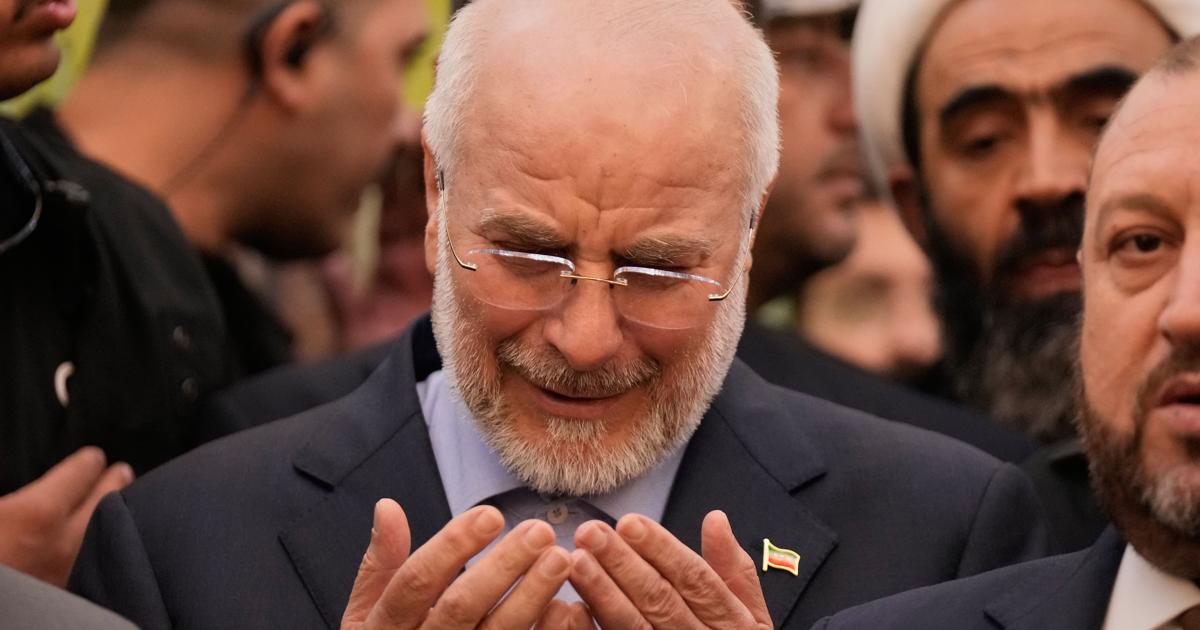
Iran’s political landscape has been marked by significant events, especially at memorial ceremonies honoring influential figures. One such event took place recently, drawing notable attention and participation from high-ranking officials.
Commemoration Ceremony Overview
A memorial observance was held to mark 40 days since the passing of former Supreme Leader Ali Khamenei, a pivotal figure in Iran’s political and religious framework. The ceremony took place at the Imam Abbas shrine in Karbala, Iraq, a site of deep spiritual significance for many Iranians. This event underscored the profound impact Khamenei had on Iranian society and politics. His leadership style and policies shaped Iran’s stance on various issues, both domestically and internationally. The commemoration attracted a large audience, reflecting the enduring respect and legacy of Khamenei among political leaders and the public.
Attendance and Significance
Among those in attendance was Mohammad Bagher Qalibaf, the Speaker of Iran’s Parliament. His presence at such a solemn event emphasizes the importance of unity within the Iranian government and the continuity of Khamenei’s ideological legacy. Qalibaf, along with other dignitaries, participated in prayers and rituals that formed part of the commemorative activities. The gathering served not only as a tribute to Khamenei but also as a reaffirmation of the religious and political ethos he embodied. This indicates an ongoing commitment among Iranian leaders to uphold the philosophies and values espoused during Khamenei’s tenure.
Cultural and Political Implications
The ceremony at the Imam Abbas shrine illustrates the intertwining of religion and politics in Iran. Such events are not merely celebratory but serve as platforms for reinforcing the regime’s ideology. Memorials like this one allow leaders to project a unified front and strengthen the connection between the government and its citizens, emphasizing loyalty to the late Supreme Leader. The high-profile attendance by officials, including Qalibaf, reflects the regime’s efforts to maintain a cohesive and stable political environment, especially in times of external pressures and internal challenges.
Conclusion: A Lasting Legacy
The commemoration of Ali Khamenei marks more than just a remembrance; it is a crucial reminder of the values and policies that continue to influence Iran’s governance today. As Iran navigates a complex geopolitical landscape, events like the one held in Karbala reinforce the importance of legacy in shaping the future of the nation. The participation of key figures in these ceremonies signals a collective endeavor to honor the past while preparing for the challenges that lie ahead. This blend of remembrance and reaffirmation of authority helps solidify the regime’s position amid ongoing scrutiny from both domestic and international observers.