
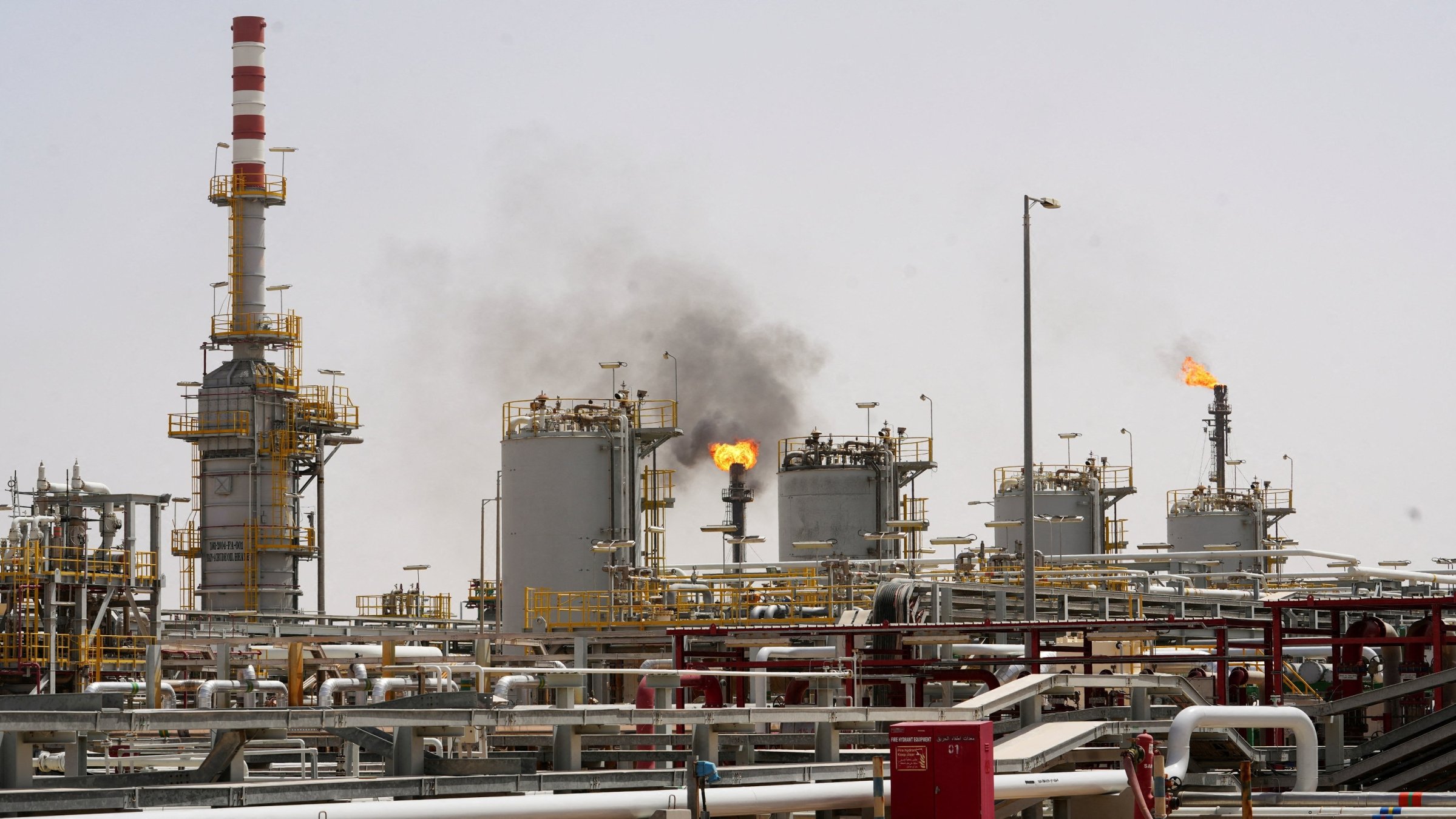
Iraq’s Efforts to Expand Oil Exports Amid Regional Tensions
Iraq is actively seeking to boost its oil exports through Turkey’s Mediterranean port of Ceyhan. In addition, the country is working to establish further export routes via Syria’s Baniyas and Jordan’s Aqaba ports. This initiative comes as Iraq’s crude oil sales account for nearly 90% of its national revenue, making the expansion of export capabilities crucial for its economy, especially amidst ongoing geopolitical challenges.
Impact of Middle East Conflicts on Oil Exports
The recent outbreak of war in the Middle East, particularly the tensions involving Iran and the United States, has significantly hampered Iraq’s ability to export oil. These conflicts have obstructed the crucial Strait of Hormuz, disrupting oil shipment routes and compelling Iraq to halt production in most of its oil fields. As a result, storage facilities have been filling up, further complicating the export landscape for the nation.
As a founding member of OPEC, Iraq understands the importance of maintaining its production levels. Prime Minister Ali al-Zaidi emphasizes the government’s goal of ramping up oil production to between 9 and 10 million barrels a day within six years. This increase would allow Iraq to reclaim its competitive edge in oil production on a global scale, a necessary step given the financial reliance on oil exports.
Strategic Moves to Stabilize Exports
Dr. Al-Zaidi’s commitment to increasing Iraq’s oil output aligns with efforts to secure a larger share under the OPEC+ agreement. Recently, Iraq requested that OPEC adjust its production quota to better reflect the economic impact of the ongoing war. Before the conflict escalated, Iraq was producing approximately four million barrels per day, with monthly exports averaging 105 million barrels predominantly through the Basra oil terminal via the Strait of Hormuz.
In light of recent challenges, Iraq has pivoted toward alternative methods of export. In response to the disruptions caused by the Strait’s closure, the country has begun utilizing tanker trucks to transport crude oil through Syria, as well as exploring opportunities through pipelines leading to the Turkish port of Ceyhan. This diversification in export routes seeks to stabilize Iraq’s economy amidst regional instability.
Recent Developments in Oil Exports
Despite the setbacks caused by the closure of the Strait of Hormuz, Iraq has experienced a slight recovery in oil exports. In July, exports rose to around 49 million barrels, with over 30 million of those passing through the strategic waterway. During the first half of August, Iraq reported exporting an average of two million barrels per day, marking its highest output since the onset of the Middle East conflict.
As Baghdad maneuvers through the complexities of the oil market, it recognizes the urgent need to diversify its economy beyond reliance on oil sales. The ongoing geopolitical tensions serve as a reminder of the vulnerabilities associated with heavy dependence on a single resource. By enhancing export routes and increasing production, Iraq aims to fortify its economic landscape against future uncertainties.