
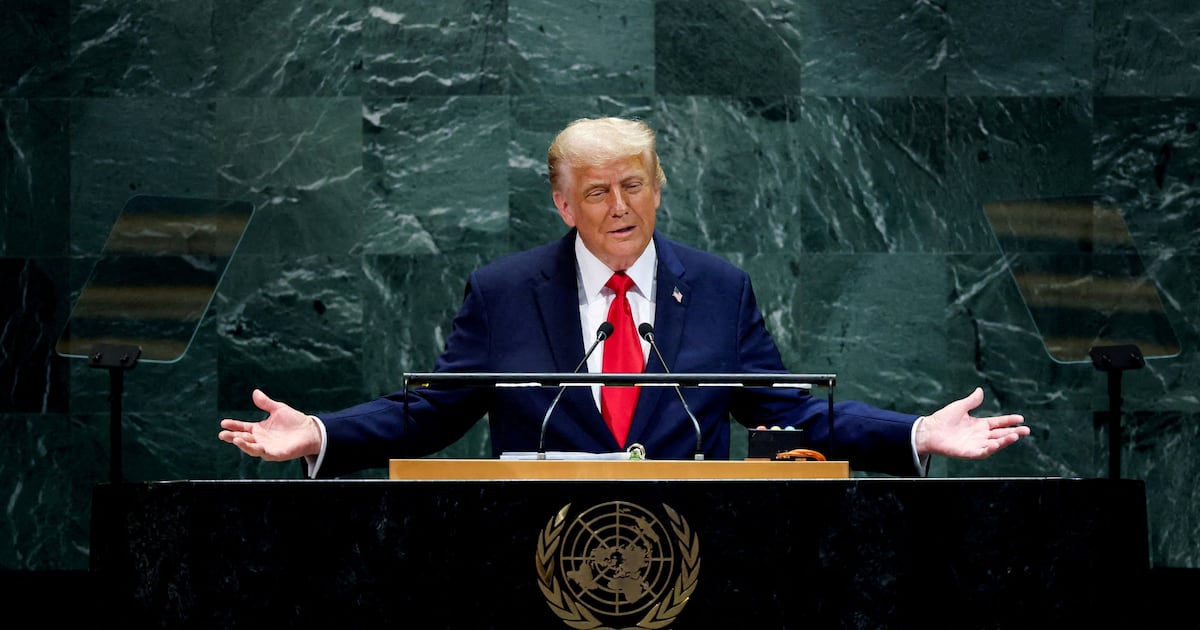
This week, U.S. President Donald Trump is set to engage in pivotal discussions with Gulf officials in New York, encompassing representatives from Iraq and Jordan. As U.S.-Arab diplomatic efforts gain momentum, the significance of these talks cannot be understated.
Key Topics on the Agenda
During the high-level week of the United Nations General Assembly, the meetings will revolve around multiple critical issues. A focal point will be Iran, particularly concerning its influence and activities within the region, alongside the evolving nature of the U.S.-Iran conflict. In addition to representatives from Gulf nations and Iraq, Jordan is also expected to play a role in the discussions, with Egypt likely to be included as well. This convergence of leaders emphasizes the urgent need to address not only bilateral relations but also broader regional stability.
Diplomatic Efforts in Full Swing
As the UNGA debates approach, a flurry of diplomatic activities has already commenced. Meetings and panel discussions are prevalent as officials aim to solidify their strategies before the formal debates kick off. U.S. Secretary of State Marco Rubio has been actively participating in receptions and meetings geared towards advancing U.S. foreign policy objectives during this critical week. These interactions highlight the significance of the diplomatic landscape and the increasing urgency for a unified approach to regional challenges.
Calls for a New Mindset
Dr. Anwar Gargash, the diplomatic advisor to President Sheikh Mohamed, recently highlighted the need for a “new mindset” in engaging with Iran. He proposed that discussions surrounding regional security should not only involve U.S. channels but also incorporate dialogues with Arab states. He noted that Iran often perceives itself as a regional power and is more inclined to communicate on strategic matters with the United States rather than its Arab neighbors. This perspective suggests a need for more inclusive conversations that consider the regional dynamics at play.
Developing Challenges and Responses
As these discussions unfold, various challenges remain on the horizon. One major concern is Iran’s military activities, including its support for groups like Hezbollah and the Houthis, which have been implicated in increasing conflict within the region. U.S. Ambassador Mike Waltz pointed out that the sophistication of Iranian weaponry is on the rise, posing new threats not only to U.S. interests but also to regional allies. The Houthis’ escalating actions in Yemen further complicate the situation, making it imperative for Arab leaders to strategize effectively during these meetings.
In conclusion, the upcoming discussions in New York between President Trump and key Arab officials represent a significant opportunity for collaborative dialogue on pressing issues like Iran’s regional influence. This high-level engagement is poised to shape the future of U.S.-Arab relations and the broader geopolitical landscape of the Middle East. As diplomatic efforts intensify, the focus will be on fostering a holistic approach that incorporates the perspectives of all stakeholders involved.