
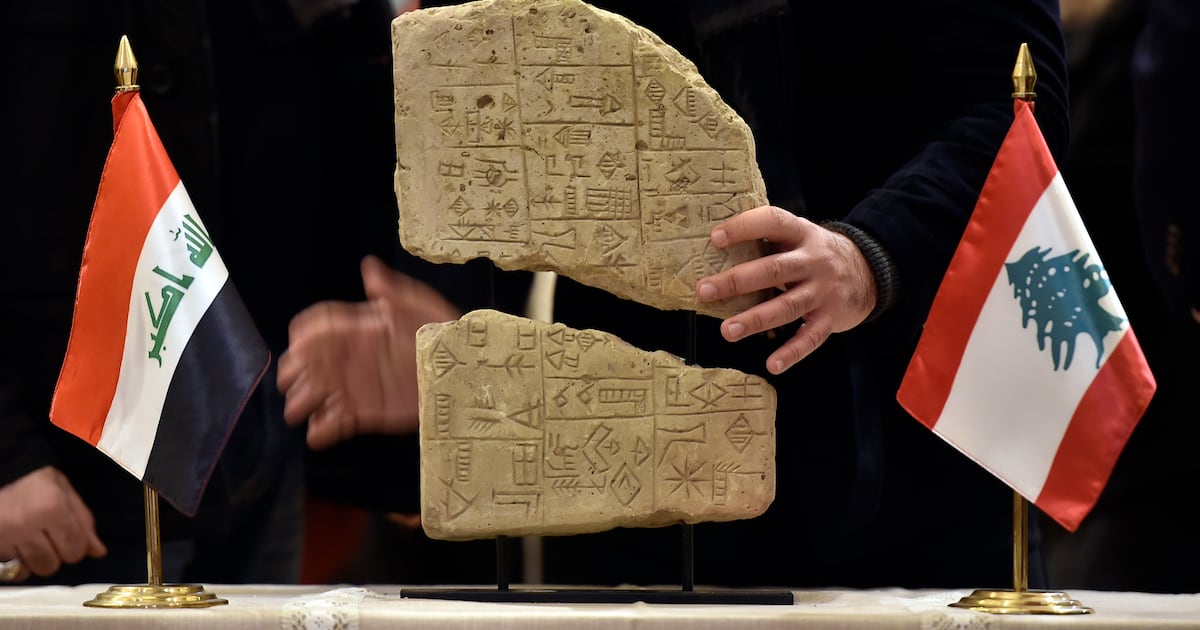
Iraq and Lebanon: A Complex Parallel
Iraq and Lebanon are two Middle Eastern nations that share a wealth of history and culture yet find themselves burdened by similar challenges. Both countries are experiencing crises rooted in poor governance, sectarian divides, external pressures, and rampant corruption. As the region seeks a new direction that favors collective prosperity over narrow interests, Iraq and Lebanon stand at a crossroads, facing identical systemic issues.
Shared Challenges in Governance
For decades, Iraq and Lebanon have grappled with the consequences of mismanagement and sectarian politics. Each nation has become deeply entangled in foreign allegiances, particularly with Iran, complicating their ability to pursue internal reforms. The state-within-a-state phenomenon has become an entrenched reality, perpetuated by powerful militias and influential political factions that have put their self-interests above national unity. As both countries look toward a future that emphasizes accountability and change, they must confront the weight of their historical ties with external players.
Regrettably, the urgency of these issues grows by the day. The turmoil affecting Iraq and Lebanon has ripple effects that extend far beyond their borders, making it increasingly challenging for nearby and distant nations to engage economically or politically. Without addressing corruption and governance issues, international investment and support will remain elusive.
Emerging Opportunities Amidst Pressure
The current geopolitical landscape has shifted, particularly due to ongoing tensions surrounding Iran. The United States has positioned itself as a central player, attempting to encourage reforms in both countries. Despite potential motives rooted in curtailing Tehran’s influence, its involvement has inadvertently created a window of opportunity for Iraq and Lebanon to initiate significant change.
In Iraq, Prime Minister Ali Al Zaidi has prioritized the disarmament of powerful militias and the fight against corruption as key governmental objectives. By pursuing the recovery of misappropriated funds, his administration has set a notable precedent for addressing long-standing issues. Concurrently, Lebanon has recently established a government and presidency that have centered their platforms on combating armed factions and overhauling a corrupt financial system that has led to widespread economic despair.
The Path to Redemption: A Delicate Balance
Both nations face substantial pressure from the U.S. to instigate reforms, with Washington’s involvement reaching far into governance. While this intervention has sparked movements towards transformation, it also brings the risk that any progress made could be superficial and short-lived. The deep-rooted sectarianism and power imbalances in both Iraq and Lebanon present significant obstacles that may take decades to dismantle.
Historically, both countries have fallen victim to sectarian models of governance that have consistently predisposed them to divisive politics. Following the U.S.-led invasion of Iraq in 2003, a similar sectarian-based governance structure emerged, mirroring Lebanon’s past. As a result, both nations have experienced a deterioration of public trust, mass emigration of talented individuals, and a pervasive sense of hopelessness regarding the prospects for reform.
In conclusion, while the challenges facing Iraq and Lebanon are immense, there are signs of potential change fueled by both internal desires and external pressures. The important factor remains whether these nations can successfully navigate their path to reform without succumbing to further crises. The fates of Iraq and Lebanon appear intertwined, leading to a shared journey that may ultimately yield a more stable and equitable future.