
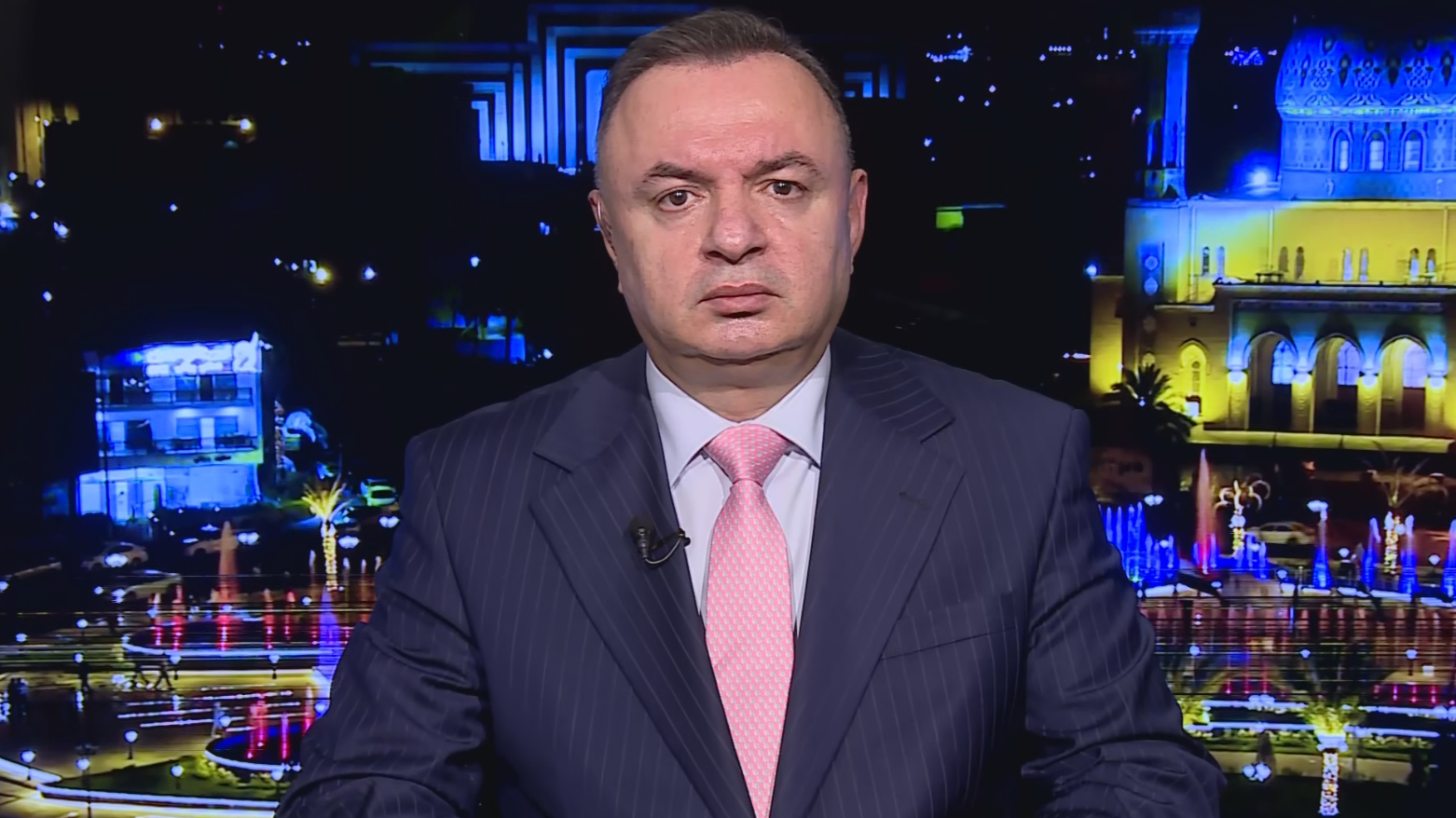
Iraq is grappling with significant challenges as it tackles ongoing dollar smuggling and the pressure to enforce weapons control. The situation has escalated amid rising instability in both the currency market and the broader political landscape. A member of the Iraqi Parliament’s Security and Defense Committee has highlighted the urgency of addressing these issues before the end of September, warning of potential consequences from the United States if the government fails to act.
Ongoing Dollar Smuggling Concerns
In a recent statement, Sherwan Doberndani emphasized that dollar smuggling is still a major concern for Iraq, with illegal transfers continuing unabated. During his interview with Kurdistan24, he noted that controlling currency smuggling is a widespread issue affecting many nations globally, not just Iraq. He referenced recent U.S. sanctions imposed on Iraqi entities linked to currency smuggling, indicating that the problem remains on Washington’s radar and could influence diplomatic relations.
The complex nature of these challenges underscores the difficulty of regulating dollar transfers. Doberndani explained that the government’s inability to contain this illicit activity may lead to increased scrutiny from the United States, particularly in light of ongoing economic sanctions.
Pressure to Control Armed Groups
Doberndani articulated that the U.S. administration is keen on consolidating control over militias and armed groups that operate independently of the Iraqi state. He issued a stark warning: if the Iraqi government, led by Prime Minister Mohammed Shia’ al-Sudani, does not implement a directive to place all weapons under state control by September 30, the country might face severe financial and economic sanctions. This looming deadline has intensified pressure on the Iraqi government, both internally and from Washington.
The debate over weapon control has gained prominence in Iraq, amid ongoing regional tensions that underscore the necessity for Baghdad to assume responsibility for security and military governance. Doberndani’s remarks point to a complicated interplay between internal governance and international expectations, highlighting the precarious position in which Iraq finds itself.
Impact on the Currency Market
The fluctuations in the Iraqi currency market have been attributed to a myriad of political and economic factors. Doberndani noted that recent developments in regional security, particularly around the Strait of Hormuz and disruptions in oil exports, have compounded the pressure on the currency. Iraq’s fiscal demands are immense; the government needs about 10 trillion Iraqi dinars (approximately $6.3 billion) monthly to meet salaries and operational costs.
The discrepancy between the official dollar exchange rate and the parallel-market rate has exacerbated the situation, placing additional strain on the state’s budget. As businesses and citizens await critical updates post-September 30, Doberndani suggested that the Central Bank of Iraq may struggle to maintain control over the currency market in the coming days.
Overall, these factors create a precarious environment for Iraq, where economic stability is intricately tied to political decisions and international relations. The outcome of negotiations with Washington on key issues could determine whether Iraq enters a new phase of sanctions or manages to stabilize its current crisis.
As Iraq navigates these multifaceted challenges, it faces an urgent need to balance its financial relationship with the United States while enforcing greater control over armed groups and addressing the ongoing dollar crisis. The coming weeks will be critical, as the Iraqi government confronts a delicate balancing act amid internal pressures and external expectations.