
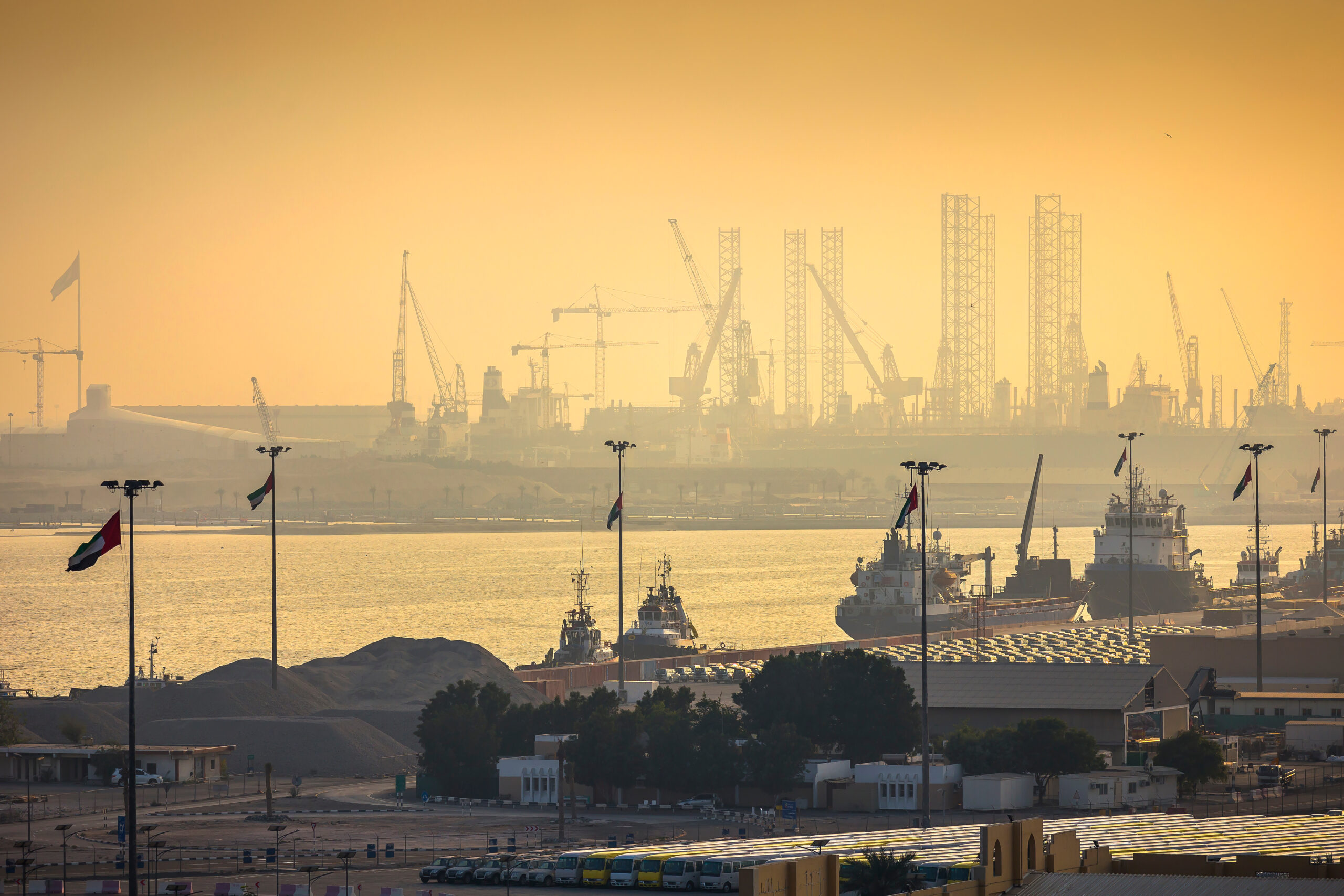
Recent diplomatic efforts have propelled Iraq back into the maritime logistics arena, marking a significant milestone after a 50-year pause. The Iraqi Maritime Line, which is fully state-owned, has reestablished its scheduled container shipping operations in the Arabian Gulf. The inaugural feeder service connects Jebel Ali Port in the UAE directly to Umm Qasr Port in southern Iraq, authorized by Transport Minister Wahab Al-Hassani. This move is part of Iraq’s broader strategy to rejuvenate its national shipping assets and reclaim a sovereign presence in regional trade corridors.
The Strategic Role of Maritime Shipping in Iraq’s Economy
This new maritime service is crucial as it seeks to address ongoing security issues and geopolitical tensions surrounding the Strait of Hormuz. By providing a direct maritime route, this initiative aims to bolster existing land and overland freight operations, creating an essential link into Iraq’s logistics framework. Although the scale of vessels may not match those of the global mega-carriers, the revival of a dedicated national shipping line signifies a critical shift in the region’s supply chain dynamics, reintroducing state-operated services to vital trade routes.
In recent months, overland freight operations have seen increased traffic, and the introduction of this maritime service allows importers to access regular container shipping capacity. Having been off the liner map since the 1970s, the revival of Iraqi Maritime Line is an important development in a region characterized by rapid transformations. The resumption of services highlights the pressing need for reliable logistics and transport solutions in an evolving economic landscape.
U.S. Support and Economic Reform Initiatives
The return of Iraq’s maritime line is also intertwined with recent engagement between U.S. officials and Iraqi leaders, including Secretary of State Marco Rubio. Talks aimed at refining banking and economic policies signaled U.S. support for Iraq’s reforms, particularly in fostering legitimate financial practices. This support is vital in a landscape previously characterized by restrictions on Iraqi financial institutions, particularly those involving currency transfers to prevent illicit activities.
For Iraq’s national carrier to successfully operate, it requires access to dollar-based financing, maritime insurance, and efficient port services. The commercial shipping industry typically relies on U.S. dollars for transactions, encompassing everything from vessel charters to fuel and port fees. Therefore, the facilitation of dollar access not only enhances the operational capabilities of the Iraqi Maritime Line but also aids in circumventing financial barriers that previously hampered trade.
Future Implications for Iraqi Shipping and Trade
The U.S. Treasury Department has initiated steps to loosen restrictions on compliant Iraqi financial institutions, allowing for more natural currency flow and enabling international transactions necessary for Iraq’s state-owned enterprises. Such measures underpin a safer operational environment for shipping companies, especially given the elevated war-risk insurance premiums associated with operating near the Strait of Hormuz.
Securing autonomous shipping capabilities empowers Iraq to take greater control over its import and export logistics, diminishing reliance on foreign carriers and costly overland routes. Combined with strategic pipeline developments aimed at avoiding the threats in the Strait, Iraq appears poised for a pathway to economic recovery. As more shipping options materialize, both the economy and logistics sector stand to benefit. The resurgence of its national carrier marks a pivotal moment for Iraq, signifying not just a return to the maritime sector, but a step toward greater economic self-reliance and resilience.