
Shifting U.S. Stance on Iran: A New Era of Economic Pressure
In a bold statement, President Donald Trump asserted that he has given Iran ample chances for a deal, emphasizing that the U.S. is prepared to inflict unparalleled economic consequences and isolation if the regime does not comply. This shift in policy echoes the “maximum pressure” campaign from the previous Trump administration, but now it carries the additional threat of direct military action.
The Challenges of Intimidation: Iran’s Resilience
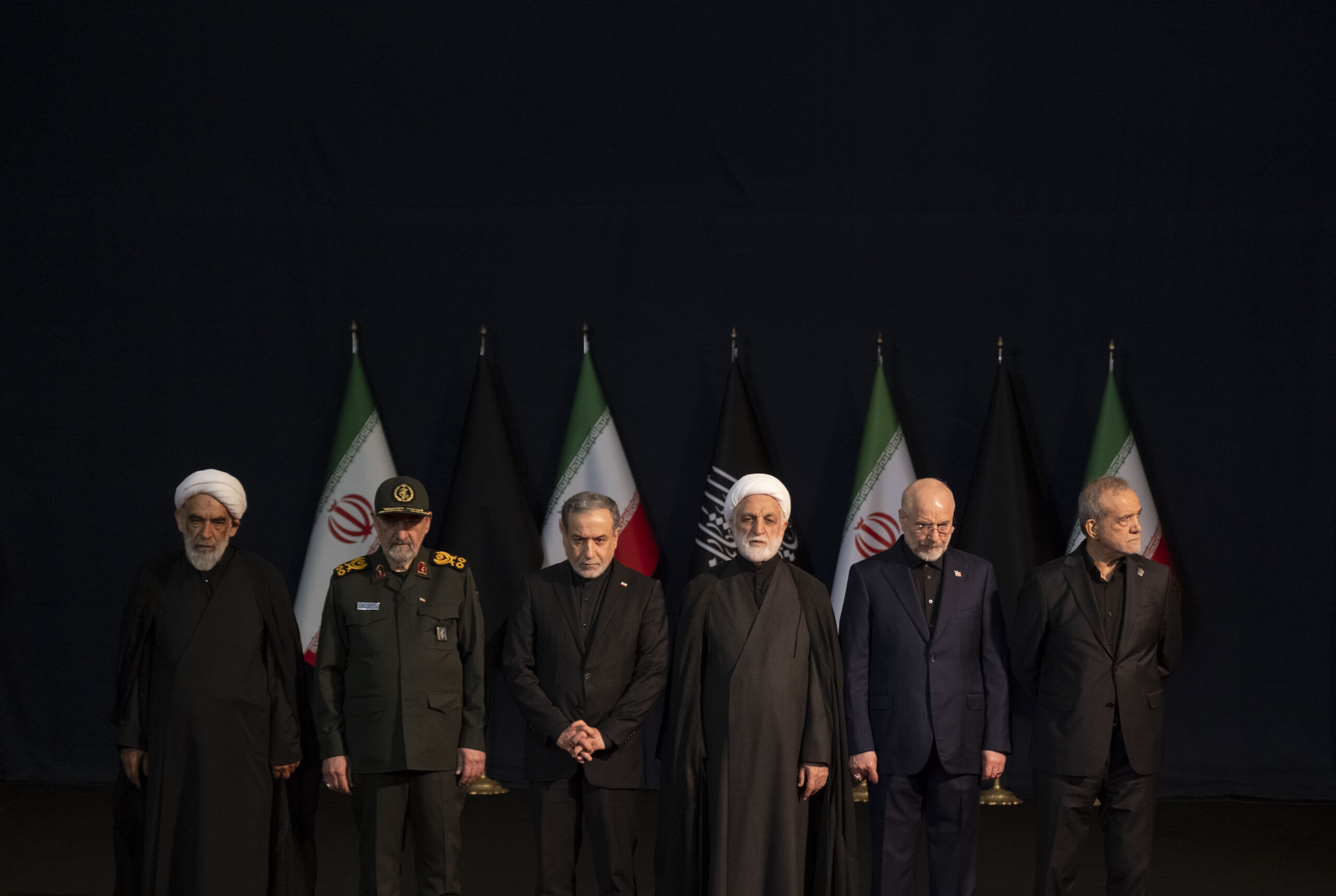
Despite the mounting pressure, Iran has not yet conceded to U.S. demands. While there has been a persistent hope for reform and openness in the country, primarily since the tenure of President Mohammad Khatami, the reality is more complex. The Iranian populace is easily categorized into those who aspire for change and those who uphold the regime’s status quo. The presence of hardliners, shaped by the memories of the Iran-Iraq War, clouds the path to negotiation. The Revolutionary Guard and similar factions are not just willing but also experienced in the art of defiance, leveraging their history to maintain a grip on power.
These influential figures prioritize the regime’s continuity over any potential reforms, indicating a formidable barrier to diplomatic negotiations. They know the populace well and have proven adept at quelling dissent, demonstrating that revolutionary regimes often develop a keen understanding of the socio-political landscape, making opposition fragile.
Understanding the Dynamics of Protest
To gauge the internal health of the Iranian regime, observing public protests serves as a valuable indicator. The number and intensity of demonstrations provide insight into the regime’s strength or vulnerability. Interestingly, protests rising from areas outside the affluent North Tehran highlight deeper societal tensions. They often stem from long-standing dissatisfaction among lower to middle-class citizens who feel disenfranchised by the ruling powers.
When the regime’s core supporters, typically those aligned with the Islamic Republic, begin to question or oppose the government, it poses a real threat to their stability. Over the years, effective sanctions have focused on Iran’s ability to export oil, its main revenue stream, further complicating its economic situation. Consequently, as the Iranian administration struggles with declining oil sales and reserves of hard currency, it faces increasing challenges in maintaining its grip over the populace.
Can Iran Sustain Its Grip on Power? The Next Chapter
Looking toward the future, several interconnected factors could lead to a significant weakening of Iran’s hold on power. If Iran continues to grapple with limited oil exports, coupled with the erosion of internal cohesion and rampant hyperinflation, the regime’s stability could be threatened. This scenario would necessitate the U.S. maintain strict economic sanctions, and as events unfold, the direction of Iran’s power dynamics may very well hinge on its ability to navigate these challenges.
Ultimately, the situation remains precarious, marked by the possibility of escalating unrest with uncertain outcomes. Whether Iran’s leadership can survive amid growing economic strains and rising dissent is still uncertain. The upcoming months and years could be pivotal as both internal and external pressures mount, challenging the ideological and cultural foundations of the Islamic Republic. The path ahead may lead to either a drastic redefinition of Iran’s governance or prolonged tensions that stretch into the future.