
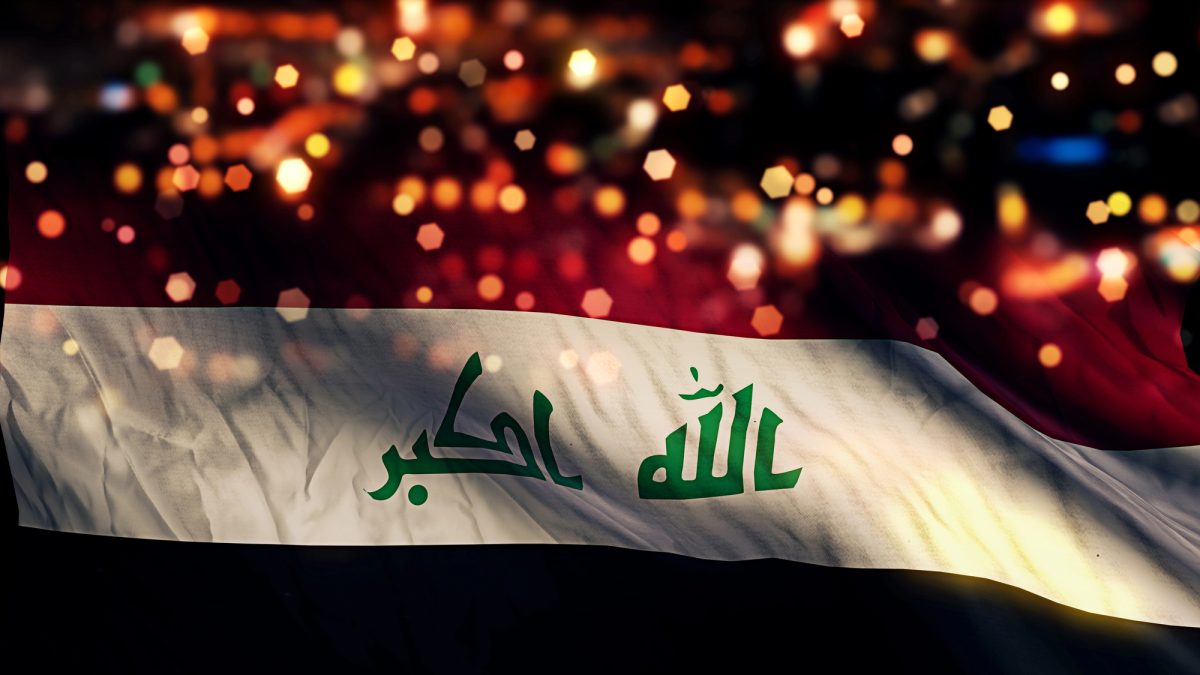
The End of an Era: U.S. Military Mission in Iraq Concludes
On a historic Wednesday, U.S. forces officially wrapped up their military mission in Iraq, marking the end of a significant chapter in over two decades of American military presence and involvement in the region. This milestone signifies not only a shift in U.S. foreign policy but also a moment of reflection on the complexities and ramifications of a prolonged military engagement.
Historical Context of U.S. Involvement in Iraq
The U.S. military’s presence in Iraq began in earnest in 2003 with the invasion that aimed to dismantle the regime of Saddam Hussein. Initially marked by swift military success, this campaign evolved into a prolonged and complicated engagement characterized by attempts to stabilize the region and promote democracy. Over the years, American troops faced numerous challenges, including rising insurgencies, sectarian violence, and the emergence of extremist groups. The mission’s goals shifted from combat to training and supporting Iraqi security forces, emphasizing the U.S. commitment to a stable Iraq, even as the situation deteriorated at times.
The costs of this engagement have been substantial, both in terms of human lives and financial expenditures. Thousands of U.S. service members made the ultimate sacrifice, while countless others faced physical and emotional challenges stemming from their experiences. The economic burden also weighed heavily, with estimates reflecting trillions spent on the war and reconstruction efforts. The withdrawal represents a significant pivot in addressing these long-term consequences.
The Implications of the Withdrawal
The conclusion of the U.S. military mission poses numerous questions about Iraq’s future stability. While Iraqi forces have demonstrated improved capability and resilience, challenges remain in managing the myriad of political factions and external influences. The potential for resurgence from extremist groups remains a genuine concern, leading many to monitor how regional dynamics might shift in the absence of U.S. military oversight. The Iraqi government’s ability to maintain order and foster unity among diverse sectarian groups is now under more scrutiny than ever.
Additionally, the end of this mission shifts the focus toward diplomacy and humanitarian efforts. The U.S. is likely to pivot towards supporting Iraq through non-military means, such as economic assistance, counter-terrorism efforts, and developmental programs. Building strong relationships in the region will be crucial as the U.S. looks to navigate the complexities of Middle Eastern politics without a military footprint.
Looking Forward: Future U.S. Engagement in the Region
As the U.S. redefines its role in Iraq and the broader Middle East, the emphasis will increasingly be on partnerships, intelligence-sharing, and counter-terrorism without a permanent military presence. This strategic transition reflects a broader trend within U.S. foreign policy to prioritize diplomatic solutions over military interventions. America’s commitment to supporting Iraq’s sovereignty and stability will hinge on cultivating robust ties with Iraqi leaders and enhancing regional collaboration.
The implications of this withdrawal will resonate far beyond Iraqi borders, shaping the geopolitical landscape of the Middle East. Observers will be closely watching how this change affects relations with neighboring countries and broader international dynamics. For both the U.S. and Iraq, the road ahead is fraught with challenges, yet it also presents opportunities for both nations to establish a new kind of partnership that focuses on mutual interests and long-term stability.
In conclusion, the end of the military mission in Iraq is not merely a conclusion, but a gateway to a new chapter in U.S.-Iraqi relations. As both nations look to navigate an uncertain future, it remains essential to remain engaged, fostering peace, stability, and an enduring partnership that honors the sacrifices made over the past two decades.