
Iran’s Islamic Revolutionary Guard Corps (IRGC) Navy has reported a significant incident involving an oil tanker that caught fire and exploded after allegedly hitting a naval mine in the southern Strait of Hormuz. This development has brought attention to the ongoing tensions in the region, as Iranian state media disclosed that the vessel had disabled its navigation and positioning systems. It was reportedly attempting to exit the waterway via a route that Tehran deems unauthorized. The IRGC has issued a stern warning, stating that any vessels that turn off their identification systems in the Strait of Hormuz and the broader Persian Gulf could face serious repercussions.
Escalating Diplomatic Tensions
The diplomatic climate has grown increasingly strained, particularly following comments from Iranian Foreign Minister Abbas Araghchi. He cautioned the United States against any resurgence of military action in the region and asserted that Israeli Prime Minister Benjamin Netanyahu is pressuring Washington into another potential conflict. The IRGC has issued its own threats, signaling a catastrophic response should Iran’s energy infrastructure come under attack. Further escalating the rhetoric, Iran’s military chief emphasized that any new aggression from the United States or Israel would result in retaliation that would surpass previous responses.
Global Reactions and Implications
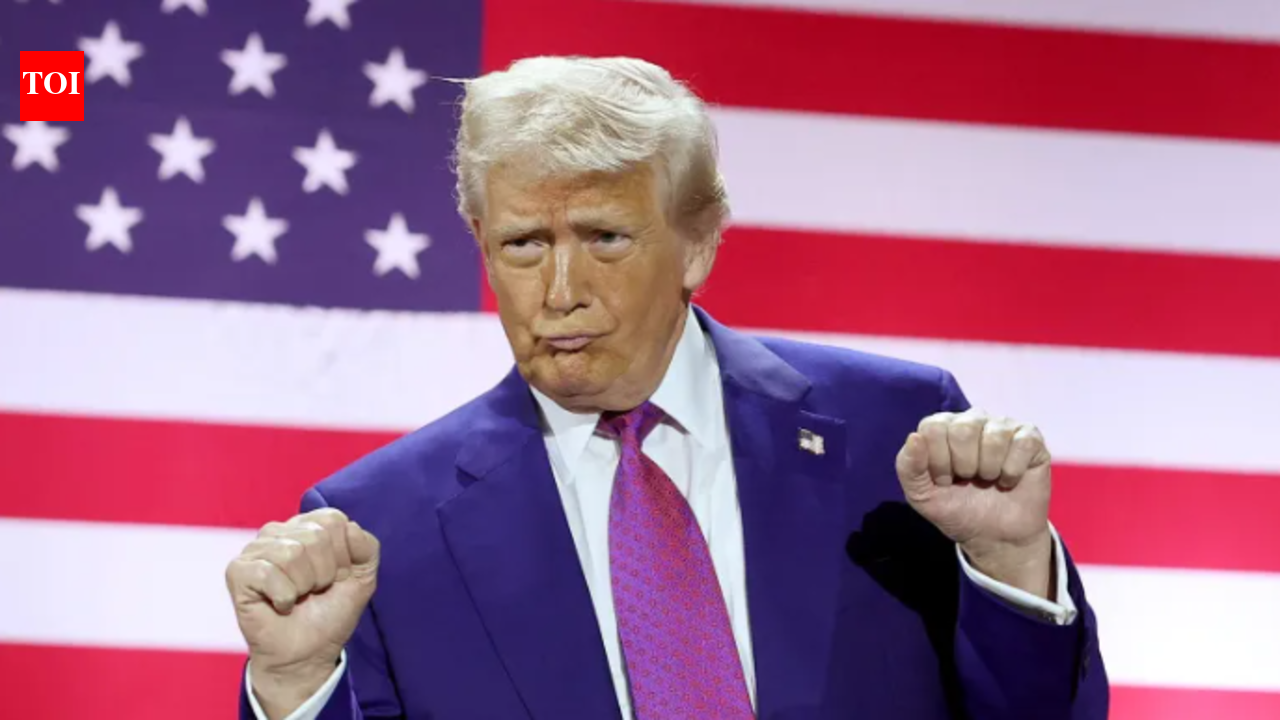
In the context of these tensions, U.S. President Donald Trump has remarked that peace negotiations concerning the Russia-Ukraine conflict are making “great progress.” He expressed a desire for Moscow to remain engaged in talks, even downplaying Russia’s involvement in aiding Iran. Meanwhile, U.S. Vice President JD Vance has accused Tehran of jeopardizing global energy supplies and predicted a drop in fuel prices once the conflict stabilizes. This commentary highlights the broader implications of the local conflicts on international markets and political stability.
Regional Effects
The ramifications of this situation are reverberating throughout the region. Egypt has openly pledged its support for Saudi Arabia in light of intensifying attacks from Yemen’s Iran-aligned Houthi rebels. Furthermore, Al-Azhar University has called for the establishment of an urgent mediation committee aimed at resolving violence in the Middle East. Recent reports from Yemen indicate that at least nine individuals, including five children and two women, lost their lives in an airstrike in Saada province, as reported by the Houthi-run Health Ministry. Concurrently, Saudi Arabia has reported injuries resulting from a projectile attack in Najran, underscoring the escalating human toll of the ongoing conflict.
Market Reactions and Military Preparedness
In early Asian trading, oil prices saw a decline following President Trump’s decision to waive sanctions related to Russia under the Lindsey O. Graham Sanctioning Russia and Iran Act. This move has significant implications for global oil markets, particularly in light of the ongoing geopolitical tensions. At the same time, Israel has placed its military on heightened alert in anticipation of potential threats as it approaches its parliamentary elections scheduled for October 27. The combined effects of regional conflicts, coupled with the intricate dynamics of U.S. foreign policy, continue to shape a complex narrative with global ramifications.
As tensions rise and the potential for conflict looms, the evolving situation in the Strait of Hormuz remains a focal point for international observers and stakeholders in global energy markets. The need for diplomatic solutions is paramount to stabilize the region and prevent further escalation.