
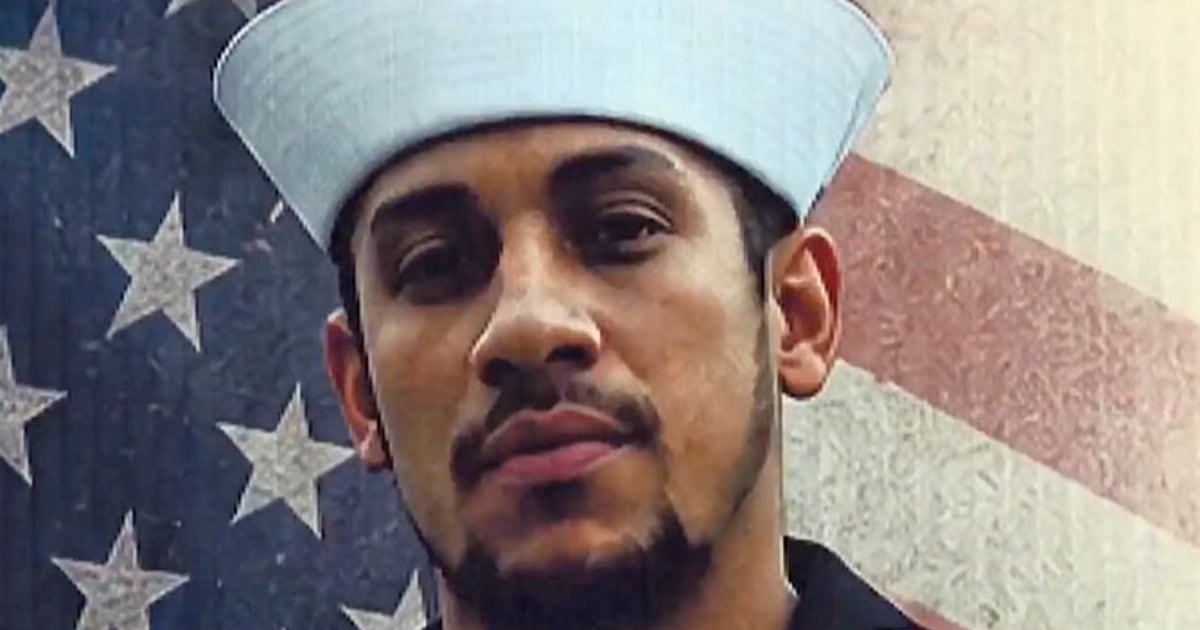
A Navy veteran who served in the Iraq War is currently held at the Otay Mesa Detention Center and faces the prospect of deportation. Advocates and his mother argue that his extensive criminal record is a result of the challenges he faced upon returning home—a situation they believe reflects systemic failures in support for veterans.
Background of a Veteran in Crisis
Benito Miranda Hernandez arrived in the United States from Mexico with his mother, Maria Miranda, as a green card holder during his childhood. With a strong sense of duty, he enlisted in the Navy and served three tours during the Iraq War. However, upon returning home, significant changes in his behavior were evident to his mother. “When he came back, that’s when I said, ‘This isn’t my son anymore,’” she remarked in Spanish, indicating the profound impact of his wartime experiences.
An examination of court records reveals a troubling pattern of criminal behavior. Hernandez has faced numerous convictions, including felony drug offenses and weapons charges, resulting in extended prison sentences across Virginia and California. This troubling trajectory raises questions about the mental health and support structures for veterans who return from combat zones.
The Role of PTSD and Mental Health
“It’s clear that he suffers from PTSD, a condition he battles daily,” states Hector Barajas, an Army veteran who also experienced deportation but was later allowed to return and achieve U.S. citizenship. Barajas is now a vocal advocate for veterans confronting similar fates. “We have homeless veterans. We have veterans that take their lives,” he points out, pressing the issue of the inadequate support available for those struggling with mental health alongside legal issues.
Research supports these claims; a recent report from the Council on Criminal Justice found that one in three military veterans has an arrest history, a stark contrast to one in five civilians. Army veteran James L. Smith II, who founded the Black Deported Veterans of America support group, highlights the struggle of reintegrating into civilian life. “Partially, I believe, because we’re not reconditioned to come into civilian society,” he explains, emphasizing the need for improvement in how veterans are treated.
Detention and the Fight for Equality
Following his release in 2025 from a California state prison, Hernandez was placed in a re-entry program. During this year, he found stability while living in a halfway house and preparing for a life after incarceration. In November, he celebrated the reinstatement of his green card—a hopeful turn in his journey. Unfortunately, that hope was short-lived; just as he was leaving that re-entry program, federal immigration agents arrested him. His mother, Maria, arrived only to discover he had already been taken custody.
“This effectively ended all my dreams of being with my son,” she lamented, visibly upset. Even within the military community, the treatment of veterans like Hernandez raises critical questions about the values expressed by lawmakers. “They stand up in front of cameras saying they love and support the military, but it often seems to apply only to those who were born here,” Smith critiques.
This situation reflects broader issues of hypocrisy within the system, especially as Miranda voices her concerns regarding her son’s mental health in custody. “What comes back is nothing like what you gave them,” she warns, urging mothers to think carefully about sending their children to serve. Hernandez’s plight not only illustrates individual struggles but underscores systemic failings in addressing the needs of those who have sacrificed so much for their country.