
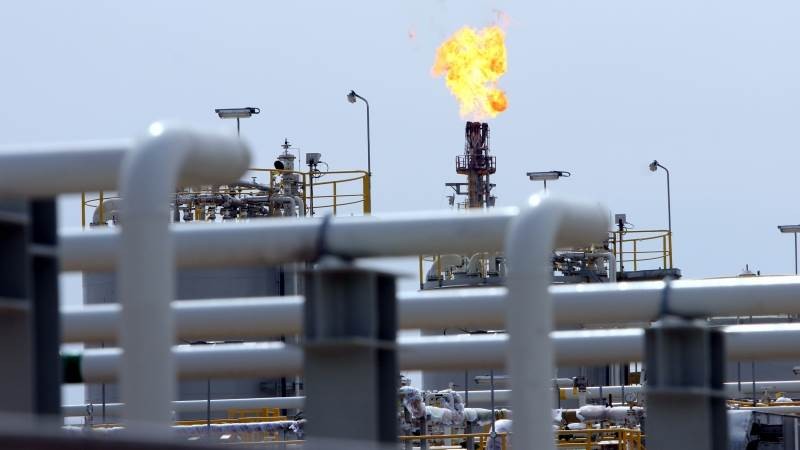
Iraq stands at a geopolitical crossroads, bordered by Iran, Turkey, Syria, Jordan, and Saudi Arabia. This strategic positioning makes it critically significant to global powers such as the United States, China, and Russia. At the heart of Iraq’s geopolitical landscape lies Anbar province, particularly the Akkas gas field, which plays a pivotal role in energy production and international relations. With the recent appointment of Iraqi Prime Minister Ali al-Zaidi on May 16, there are new opportunities for Western energy initiatives, making the development of the Akkas field a centerpiece of U.S. interests.
Iraq’s Energy Ambitions
The Iraqi government has set ambitious goals for the Akkas gas field, aiming to boost production from the current 43 million standard cubic feet per day (MMscfd) to 400 MMscfd by 2030. To facilitate this, an interim target of 143 MMscfd is expected by mid-2027, aligned with existing agreements from Western firms like SLB, which is working on drilling and developing essential infrastructure. In July, the Oil Ministry entered a memorandum of understanding with a consortium including U.S.-based firms ConocoPhillips and Novaterra Energy. This partnership underlines the increasing interest of American companies in Iraqi energy resources.
Furthermore, recent agreements extend beyond gas production to oil transportation. ConocoPhillips’ acquisition of a stake in a local oil company signals an intent to revitalize oil fields in the Kirkuk region. Additionally, TI Capital is collaborating with Chevron to construct a crude oil pipeline from Kirkuk to Syria’s Baniyas port. This pipeline aims to facilitate Iraq’s direct oil exports to global markets, strengthening its position amid regional changes.
Strategic Partnerships and U.S. Influence
The flurry of contracts signed during Prime Minister al-Zaidi’s official visit to the U.S. highlights a significant pivot towards American engagement in Iraq’s energy sector. A total of 48 agreements were signed, covering not just oil and gas development but also enhancements to energy infrastructure, including the Iraq-Syria Pipeline. Moreover, collaboration with Starlink, a satellite communications company, represents a broader strategy to bolster Iraq’s connectivity and security.
This focus on U.S. investments reflects a reconfiguration of Middle Eastern alliances aimed at reducing Iranian influence. Washington’s push for greater American corporate involvement mirrors elements of China’s Belt and Road Initiative, signifying a paradigm shift in regional power dynamics. By establishing a more robust presence in Iraq, the U.S. seeks to counterbalance Iran’s influence, particularly concerning energy corridors pivotal for both security and economic reasons.
The Importance of the Akkas Gas Field
The Akkas gas field not only boasts substantial reserves but is also geographically significant. It forms part of a strategic triangle of gas fields in southern Iraq, connecting vital areas including the Iranian border and the export hub of Basra. The positioning of Akkas near contentious zones has made it a focal point for U.S. strategic interests, as it provides opportunities for American companies to secure energy operations, thereby enhancing influence in the region.
Amid these developments, the construction of the Iraq-Syria crude oil pipeline stands out as a critical initiative aimed at isolating Iran. According to U.S. officials, the pipeline agreements are perhaps intended to render the Strait of Hormuz less relevant to international energy flows. This aligns with broader U.S. foreign policy goals, especially in the context of sanctions that have resulted in the exit of Russian firms from Iraq’s energy sector, further opening the space for Western companies.
In conclusion, Iraq’s evolving energy landscape highlights not just its potential for increased production but also the intricate web of international relations that define its geopolitical significance. As U.S. companies ramp up their involvement, it is evident that Iraq will remain a crucial player in the global energy market and geopolitical strategies in the coming years.