
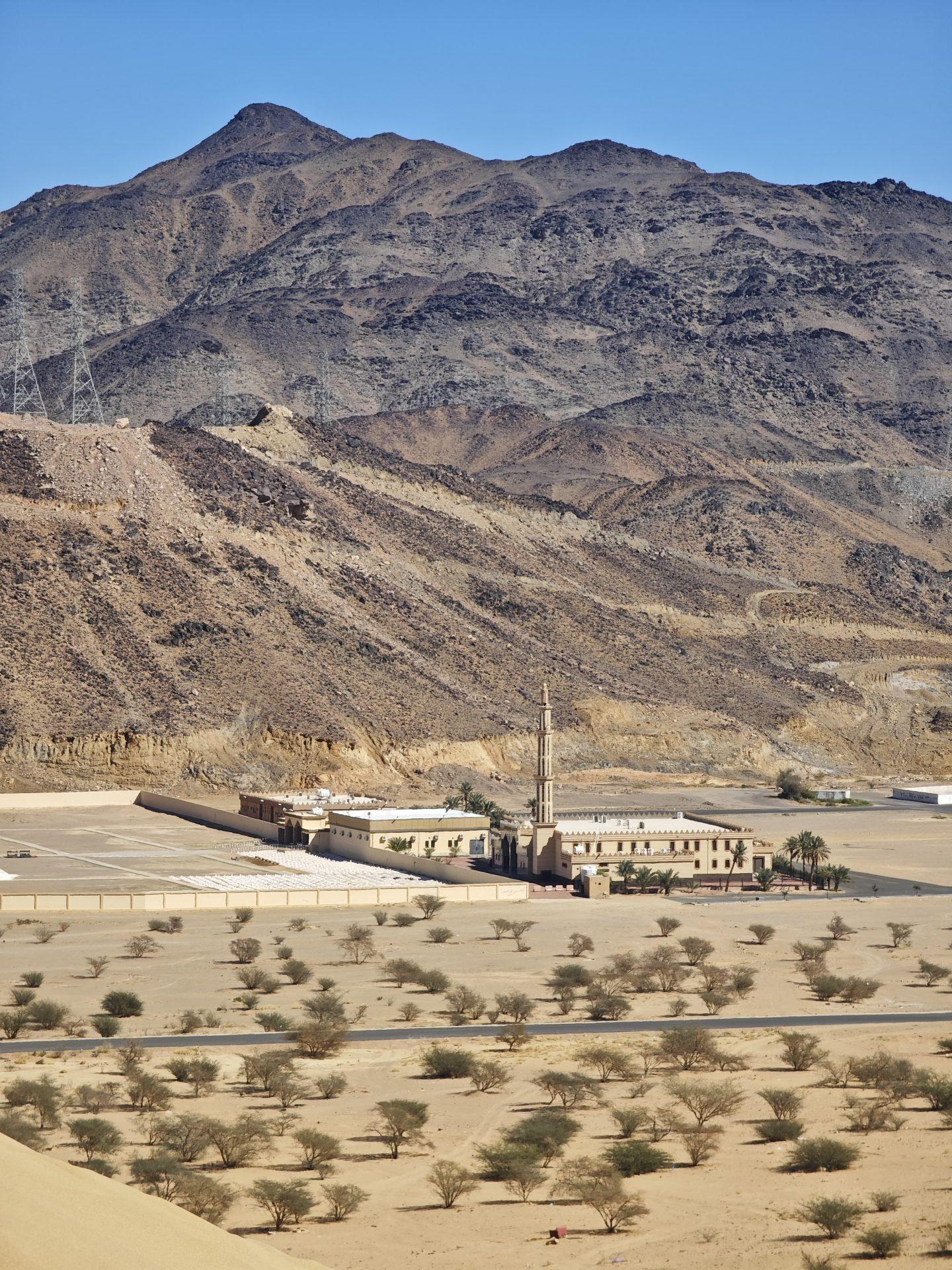
Saudi Arabia’s rich history is deeply interwoven with its geography, climate, and natural resources. Recently, historians and heritage experts gathered at the Cultural Palace in Riyadh for a three-day dialogue that explored how these factors have influenced settlement patterns, trade networks, and cultural identities throughout the Arabian Peninsula. This event underscores Saudi Arabia’s ongoing transformation as it seeks to harmonize its rich heritage with contemporary advancements.
The Impact of Geography on Settlement Patterns
The diverse landscapes of Saudi Arabia, which include sprawling deserts, mountain ranges, fertile oases, and lengthy coastlines, have significantly influenced human activities in the region. These geographical facets not only determined where communities established themselves but also guided migration and the development of trade routes. Archaeological evidence, such as ancient structures, inscriptions, and rock art, illustrates how various populations adapted to these environments over time.
Professor Salma Alhawsawi from King Saud University emphasized the dynamic relationship between communities and their environments. She argued that this interaction should be perceived as reciprocal, where humans continuously adapt to their surroundings while also reshaping them. The remnants of this relationship can be seen in the cultural and archaeological artifacts left behind by previous generations.
Cultural Identity and Historical Evolution
Historian Bashar Marouf pointed out that the essence of a location is shaped by its physical attributes, historical narratives, and human presence. He connected this historical evolution to the leadership of King Abdulaziz and the establishment of the first Saudi state in Diriyah in 1727. This foundation marked the beginning of a long journey towards unification, ultimately paving the way for what Saudi Arabia has become today.
Furthermore, the nation is making strides to leverage digital technology for heritage preservation. Nayef Alqanour, the head of archaeological sites at the Heritage Commission, highlighted that over 74,000 cultural assets have been meticulously documented. This includes more than 80,000 artifacts cataloged digitally. Such efforts have not only bolstered Saudi Arabia’s cultural standing on the international stage but also showcased important sites recognized by UNESCO as World Heritage areas.
Climate and Resource Accessibility
The conference discussions also delved into the influence of climate on community stability and resource availability. Archaeologist Saeed Fayez Al-Saeed noted that variations in rainfall and drought cycles have historically impacted agricultural practices and settlement permanence. While periods of ample rainfall facilitated farming and stable communities, extended droughts prompted challenges that shaped social and political structures over time.
Saeed underscored the founding of the first Saudi state in 1727 as a pivotal moment in history, sparking a journey towards unification and the creation of a modern nation-state. The archaeological evidence mentioned by conference participants indicates that local communities have consistently adapted to environmental adversities, which influenced their settlement strategies and trade systems.
As Saudi Arabia continues its mission to present its heritage to the world, understanding the intricate dance between people, environment, and history is vital. The recent conference illuminated the importance of preserving the kingdom’s archaeological treasures while linking them to its evolving national identity. With a focus on heritage conservation, Saudi Arabia is poised to showcase its rich historical narrative as it navigates toward a modern future.