
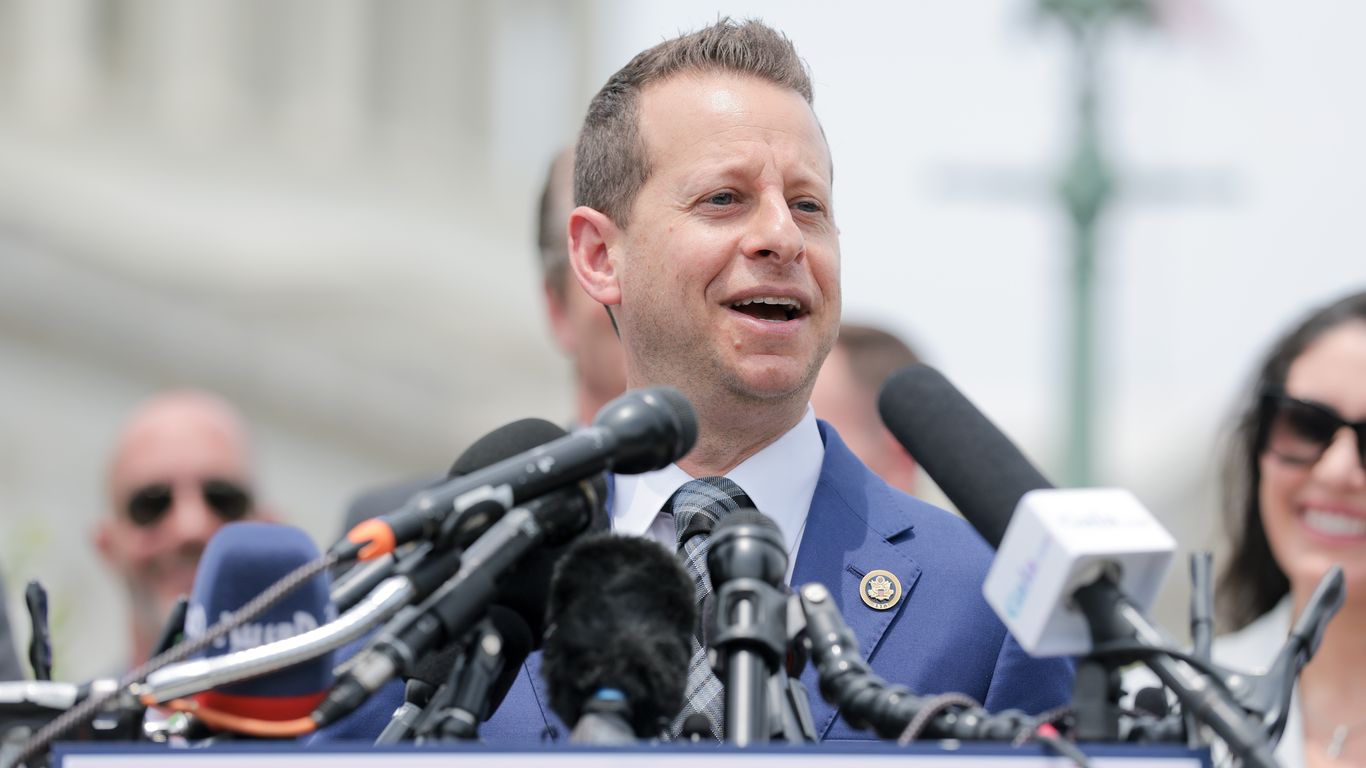
Rep. Jared Moskowitz has expressed his commitment to guiding U.S. policy concerning Israel. His advocacy underscores the evolving nature of American political dynamics and emphasizes the importance of strong diplomatic relationships in a complex geopolitical landscape. As discussions continue around Israel and its role in regional stability, Moskowitz’s influence may prove significant.
The Impact of Political Leadership on U.S.-Israel Relations
Political leaders play a pivotal role in shaping the diplomatic landscape between the United States and Israel. The recent comments from Rep. Jared Moskowitz highlight the potential for new directions in policies affecting this critical partnership. His intent to influence American foreign policy regarding Israel comes amidst ongoing debates surrounding security, economic cooperation, and humanitarian issues in the region. Strong leaders can forge strategic alliances and ensure that U.S. support for Israel remains robust while addressing international concerns about human rights and peace efforts.
Historical Context of U.S. Support for Israel
The history of U.S. support for Israel is deeply rooted, dating back to the latter half of the 20th century. This relationship has evolved through wars, peace treaties, and ongoing conflicts. The U.S. has consistently been one of Israel’s strongest allies, providing financial aid, military support, and political backing in international forums. Understanding the historical context of this partnership is crucial in analyzing current policy directions and potential shifts that might arise under new leadership like Moskowitz.
The Future of U.S. Foreign Policy in the Middle East
As U.S. foreign policy adapts to new global challenges, the focus on the Middle East, particularly Israel, is more relevant than ever. Moskowitz’s involvement suggests that changes may be on the horizon, advocating for a balanced approach that prioritizes both security and peace. With rising tensions in the region, including ongoing conflicts and humanitarian crises, a nuanced policy framework is essential. Leaders like Moskowitz can contribute to forging pathways that not only support Israel but also aim for long-term stability and peace among all nations involved.
Public Sentiment and Policy Directions
Public sentiment regarding U.S. policy toward Israel is shifting, influenced by a younger generation that is increasingly vocal about human rights and social justice. This change in perspective puts pressure on policymakers to consider a broader range of views. As representatives like Moskowitz take on influential roles, they must navigate these complex sentiments while striving to maintain strong ties with Israel. Balancing domestic opinion with international obligations will likely be a critical component of future policy initiatives.
Rep. Moskowitz’s commitment to shaping U.S. policy on Israel marks a significant moment in American political discourse. By examining the roles of leadership and historical context, we can better anticipate the evolving dynamics of international relations moving forward. The future will likely require a careful balancing act between supporting allies and addressing humanitarian concerns, making the role of political leaders even more critical in this ongoing dialogue.