
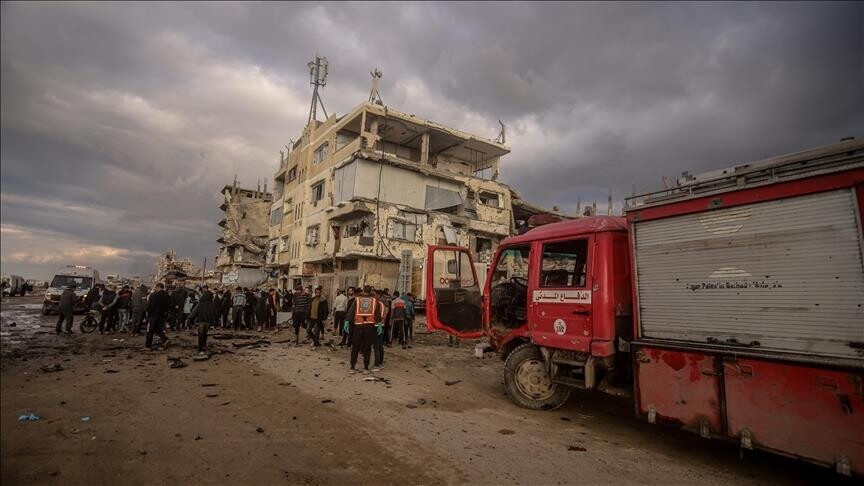
On September 21, 2026, a troubling escalation in violence occurred in the Gaza Strip, where nine Palestinians were injured due to Israeli artillery shelling and gunfire. This surge of hostilities comes against a backdrop of ongoing violations of a ceasefire agreement that had been in effect since October 10, 2025.
Impact of the Recent Violence
Medical sources have reported substantial injuries among the affected individuals. In central Gaza, a woman sustained serious injuries, and a child was hospitalized with moderate injuries after Israeli forces opened fire on tents used by displaced Palestinians. These tents were situated between the Bureij and Maghazi refugee camps, illustrating the dangers faced by civilians in these highly contested areas. Furthermore, additional injuries were reported when an artillery shell struck a home belonging to the Abu al-Rous family in Bureij, leading to a fire that further endangered those inside.
The violence was not confined solely to central Gaza; it extended into southern regions as well. Reports indicated that five individuals suffered injuries from gunfire and shelling targeting Khan Younis. Among these, three—one of whom was a woman—were shot in Hamad City, while others were affected by shrapnel in the Al-Amal neighborhood.
Ongoing Military Operations
In northern Gaza, Israeli military operations intensified as warships unleashed heavy fire along the coast. Witnesses noted that this barrage continued for approximately two hours, highlighting the perilous conditions for residents in the area. Additionally, drone activity increased, with reports of Israeli quadcopter drones dropping explosives near an army deployment zone east of Shujaiya, further exacerbating the already dire situation.
The use of artillery was also prevalent, as sporadic shelling occurred east of Jabalia town in the northern Gaza Strip. These relentless military actions pose significant threats to civilian life, raising concerns about the long-term implications for the already beleaguered population of Gaza.
Human Cost of Ongoing Conflict
The current conflict, escalating since October 2023, has resulted in catastrophic loss of life and infrastructure. According to reports, more than 73,000 Palestinians have died, while injuries have surpassed 174,000, impacting families and communities across the region. The Health Ministry in Gaza has provided alarming statistics, noting that violations of the ceasefire agreement have already resulted in the deaths of at least 1,393 Palestinians, with over 4,800 additional injuries reported as of September 18, 2026.
With approximately 90% of Gaza’s infrastructure reportedly destroyed, the humanitarian crisis continues to worsen. Access to essential services, including medical care, remains severely hindered, complicating efforts to provide relief and support to those in desperate need.
As the situation in Gaza remains volatile, there is an urgent need for a renewed focus on diplomatic efforts to restore lasting peace and ensure the safety of civilians caught in the crossfire. The long-term stability of the region depends on an immediate cessation of hostilities and a commitment to addressing the humanitarian needs of the Palestinian people.