
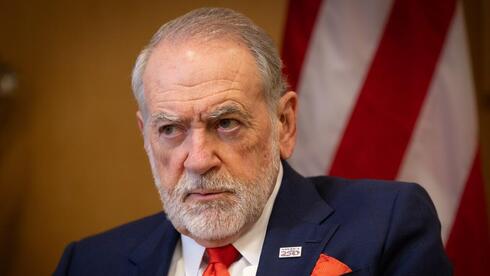
US Ambassador to Israel, Mike Huckabee, encapsulates a range of complex interactions, beliefs, and policies regarding Israel and the Middle East during his tenure. His office in Jerusalem serves as a microcosm of his dual identity: an ambassador deeply committed to Israeli interests while also navigating the nuanced landscape of US foreign policy. This article delves into his views on the US-Israel relationship, his perspectives on Iran, and broader discussions about politics in the region.
The Duality of Huckabee’s Commitment to Israel
Huckabee stands firmly in defense of Israel, showcasing a relentless commitment that is often unmatched among his peers. His passion for the country is evident in his speeches and public statements. He frequently highlights the historical growth of Israel’s Christian population, the contributions of Arab healthcare professionals in Israeli medical institutions, and the positive interactions between Jewish and Arab communities. He challenges the narrative of apartheid by providing examples of successful, cooperative endeavors between these groups, making a case for Israel’s indisputable progress and diversity over the years.
US Policy in the Middle East: A Perspective Shift
There’s a notable shift in Huckabee’s narrative regarding American involvement in the region. He asserts that the United States has never truly committed ground forces to protect Israel since 1948. Instead, he argues that US actions against Iran are not purely in defense of Israel but are designed to safeguard American interests. Huckabee posits that the geopolitical alliance is more about mutual benefit than unconditional support. This perspective underlines an assertive stance where he emphasizes the importance of prioritizing American national interests while fostering a robust partnership with Israel.
Huckabee’s Take on Iran and Regional Stability
Turning his focus to Iran, Huckabee expresses skepticism about the nation’s military capabilities, claiming they are currently at their weakest point in decades. He outlines his vision of victory, emphasizing no Iranian nuclear arms and restricted missile capabilities as key benchmarks for US policy. Huckabee underscores the shift in Iranian missile range, which poses significant threats across Europe, raising alarms about the lack of European response to such developments. His observations reflect not just the intricacies of military strategy but also the global implications of Iranian ambitions.
The Challenges of Perception and Misinformation
Huckabee highlights the growing disconnect in American support for Israel, attributing much of it to misinformation. He criticizes mainstream media narratives that portray Israel in an unfavorable light, arguing that they fail to recognize the reality on the ground. He refers to the significant Arab representation in Israeli society, including various institutions, to counter claims of systemic oppression. Huckabee’s belief is that misunderstandings and skewed perceptions hinder deeper comprehension of Israel’s socio-political fabric.
Overall, Huckabee embodies a proactive and unique voice in American diplomacy regarding Israeli affairs. His views encompass a blend of fervent support for Israel, pragmatic assessments of foreign relations, and vocal critiques of media representation. As his tenure progresses, the ripple effects of his perspectives will likely shape discussions around US-Israel relations and wider Middle Eastern politics.