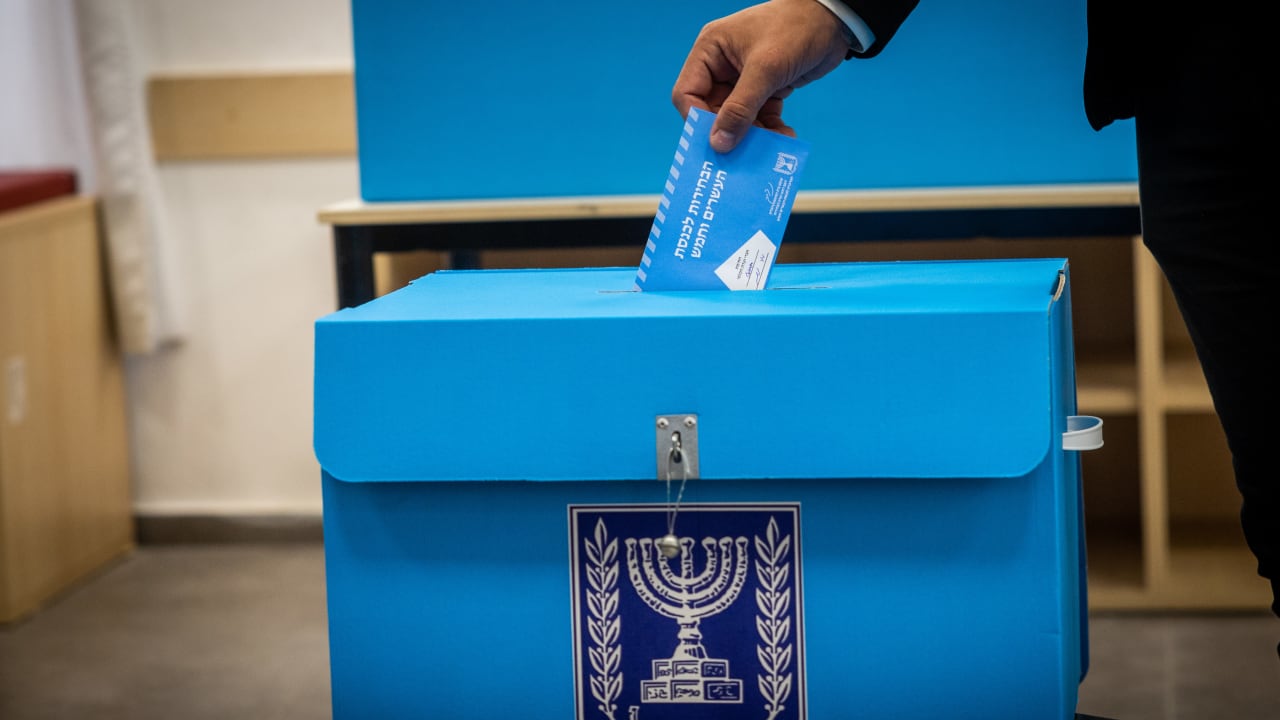
On October 27, voters in Israel will make crucial decisions that will shape the nation’s leadership for the years to come. The electoral discourse typically sharpens around pivotal topics such as security, economic issues, and living costs. However, amidst these pressing matters, there exists a vital concern regarding the future of vulnerable children and young adults who lack proper familial support.
The Plight of Vulnerable Youth
For countless children in Israel, a supportive family serves as a lifeline during times of crisis—be it academic challenges, financial troubles, or emotional distress. Family members are often the first to provide the necessary comfort, assistance, and guidance during life’s unpredictability. Unfortunately, there exists a significant group of young individuals without this crucial safety net. When public systems fail them, they find themselves without any form of substitute support, highlighting the urgent need for the state’s responsibility in safeguarding their welfare.
Recent years have ushered in an avalanche of challenges for Israeli youth. The COVID-19 pandemic disrupted essential care frameworks, aggravating feelings of isolation and uncertainty. Before the system could recover from these shocks, the nation faced further upheaval, leading to a societal climate fraught with anxiety and loss. In these turbulent times, the welfare of children and adolescents should not only be considered a secondary concern but fundamentally, a state responsibility.
Building a Supportive Framework
The emotional and psychological burdens carried by children without family support are often exacerbated during national crises. While some children benefit from family resilience, those without such backing face double trauma—a collective societal trauma coupled with personal strife. It’s imperative that the state ensures consistent support and continuity of care for these children during critical times.
Any disruptions in placements, therapist changes, or delayed help can seriously undermine a child’s ability to heal and build trust. Trust is a cornerstone for effective treatment, and frequent changes force vulnerable youth to restart the arduous process of rebuilding their lives and relationships. Social workers, along with care and education teams, are at the heart of this system. The stakes are high; when these individuals become overwhelmed or leave, the most vulnerable suffer most.
The Role of Government Policy
Unfortunately, the government’s approach to addressing the needs of at-risk youth often reflects a misguided belief that such issues can be deprioritized during tough times. Child welfare services—whether in terms of care, guidance, or mental health support—are sometimes perceived as expendable. This perspective is fundamentally flawed. Investing in these services is not merely a matter of funding; it’s about recognizing that early intervention can prevent more severe issues later on. When timely help is neglected, the problems become increasingly complex, costly, and entrenched.
As young adults transition from adolescence to independence, many lack the necessary life skills acquired through family education. The Israeli youth who grow up without family support face daunting hurdles that can complicate their paths to successful adulthood. While many young people rely on their parents well into their twenties, those without familial support are often expected to navigate adulthood prematurely, which is a significant injustice.
Imagining a Future with No Child Left Behind
The responsibility for these vulnerable children does not cease when they reach adulthood; rather, it extends until they have the genuine means to stand on their own. A resilient society is not solely built through defense systems and security; it is also shaped by our ability to uplift those within it who have experienced trauma.
The ongoing election campaign should not simply reiterate vague commitments to welfare systems but should prioritize actionable, measurable plans for the welfare of vulnerable youth. This includes bolstering the social work workforce, improving their working conditions, and providing adequate, sustainable funding. The core message is clear: we must ask ourselves what commitments we are willing to make for children who rely solely on the state as their last line of support. They may not have the power to vote yet, but their future depends on our choices today.