
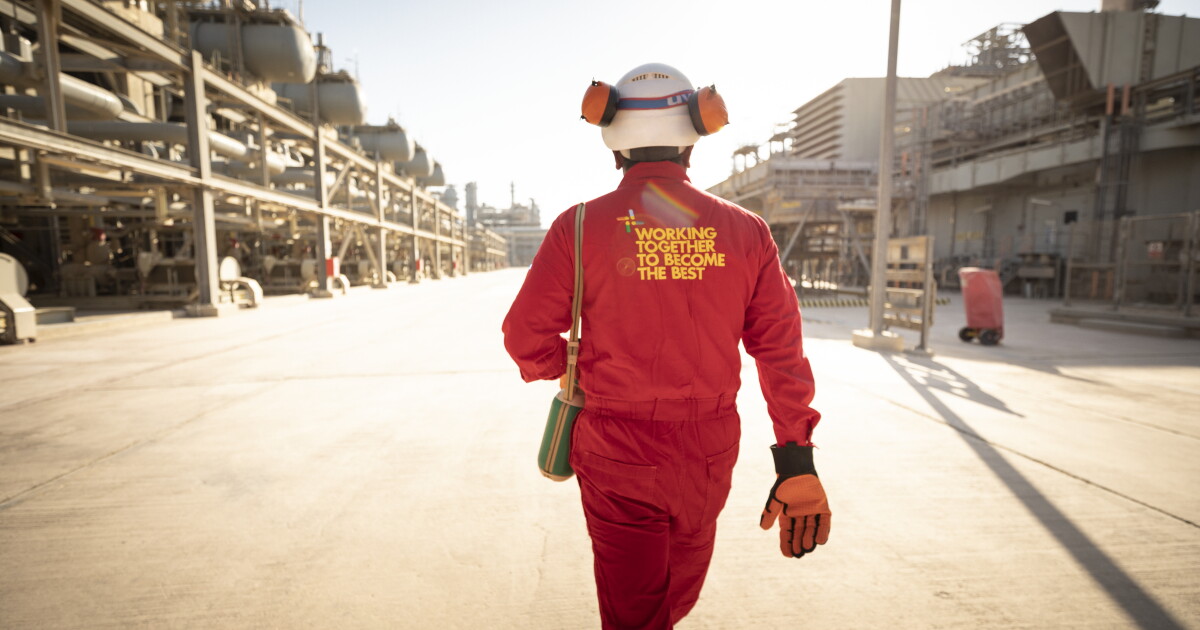
In the realm of energy production and innovation, companies are continually seeking efficient methods to convert natural gas into valuable liquid products. One notable project is the construction of a gas-to-liquids (GTL) plant, which aims to transform natural gas into high-quality synthetic fuels. This undertaking is part of a broader trend towards maximizing the utility of energy resources while minimizing environmental impact.
The Significance of Gas-to-Liquids Technology
Gas-to-liquids technology is pivotal for various reasons. Firstly, it provides a sustainable way to utilize abundant natural gas reserves. As a clean-burning fossil fuel, natural gas has the potential to reduce carbon emissions, making it a preferable alternative to coal and oil. By converting this gas into liquid fuels, energy producers can better meet growing global demand while contributing to a cleaner environment. Furthermore, GTL fuels can be used in existing infrastructure, such as transportation and power generation systems, enhancing their versatility.
The Planned GTL Plant: Objectives and Features
The upcoming GTL plant is designed to produce a limited amount of product inventory for storage. This strategic move aims to ensure that the facility can meet market demands while maintaining operational efficiency. By carefully managing the volume of produced liquids, the company can adjust to fluctuations in market prices and maintain profitability. Additionally, the process involves advanced technologies that enhance production efficiency and product quality, further solidifying the plant’s role in the energy sector.
Environmental Considerations in GTL Operations
Environmental sustainability is a core focus for modern GTL plants. The process of transforming gas into liquid fuels is designed to minimize greenhouse gas emissions and other environmental impacts. Utilizing state-of-the-art technology allows for reduced waste and better resource management, showcasing the industry’s commitment to green practices. Ultimately, the establishment of such facilities indicates a growing recognition of the need for sustainable energy solutions, as stakeholders aim to align business goals with environmental responsibility.
Future Prospects for the GTL Industry
The future of the GTL industry looks promising, bolstered by a global emphasis on reducing dependence on traditional fossil fuels. As demand for cleaner energy sources continues to rise, companies invested in gas-to-liquids technology are well-positioned for growth. Expanding capabilities for production and storage will play a vital role in meeting future energy needs. Moreover, as advancements in technology occur, the efficiency and feasibility of GTL plants will likely improve, making them an integral part of a sustainable energy future.
Through strategic investment in innovation and a commitment to environmental responsibility, the development of gas-to-liquids facilities represents a significant leap forward in the energy sector. It balances economic viability with ecological stewardship, aligning with the global demand for cleaner, more efficient energy solutions. As this GTL project progresses, it will serve as a key player in the ever-evolving landscape of energy production.