
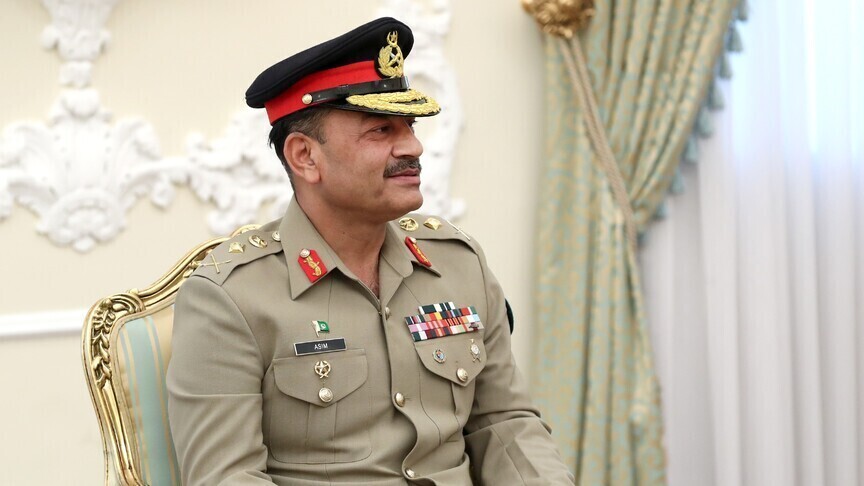
In a significant diplomatic effort, Pakistan’s army chief, Field Marshal Asim Munir, has once again urged Iran to intervene in halting Houthi attacks against Saudi Arabia. This request was reiterated during his recent discussions with Iranian leaders in Tehran, as reported by sources within the Pakistani government. Munir’s visit highlights Pakistan’s proactive stance to maintain regional stability, particularly in the context of the ongoing tensions between Iran and the United States.
Urgent Call for Intervention
During his meetings with key figures in the Iranian leadership, including President Masoud Pezeshkian and other senior officials, Munir emphasized the need for Iran to leverage its influence over the Houthi group. Sources close to the situation indicated that Munir’s focus was primarily on how these attacks threaten not only Saudi Arabia but also the broader peace efforts in the region. He reiterated Pakistan’s commitment to defending Saudi Arabia under the Mecca defense pact, which binds signatories to mutual defense in case of an attack.
Accompanied by a delegation that included Interior Minister Mohsin Naqvi, Munir’s visit coincides with increasing strains between the US and Iran. Diplomatic initiatives aimed at resolving these differences have largely stalled, emphasizing the urgent need for mediation. The Iranian leadership responded by expressing a willingness to facilitate dialogue between the Houthis and Riyadh, stressing their desire to prevent further escalation of conflict in the Middle East.
Defense Alliances Strengthened
In light of the Houthi threat, Pakistan and Saudi Arabia have fortified their defense ties through multiple agreements, notably the Strategic Mutual Defense Agreement and the Mecca Joint Defense Alliance, which also involves Türkiye. The Mecca agreement, established on August 7, specifies that any assault on one member will be considered an assault on all three, exemplifying a tireless commitment to collective security.
Furthermore, Pakistan’s army spokesman, Lt. Gen. Ahmed Sharif Chaudhry, asserted that Islamabad is fully supporting Saudi Arabia in its defense efforts. However, the specifics of any military assistance remain undisclosed, sparking speculation about the nature and extent of this support.
Quest for Resuming US-Iran Talks
Sources indicate that Munir also explored various strategies with Iranian officials to revive long-stalled direct conversations with the US. While Iranian leaders maintained that Washington must first return to compliance with the Islamabad Memorandum of Understanding, they expressed an openness to indirect messaging through mediators. This approach underscores the complexity of diplomatic relations and the challenges ahead in rebuilding trust.
President Pezeshkian stressed the importance of the US lifting sanctions and ceasing threats before re-engagement in talks could be meaningful. Nevertheless, both sides have agreed to pursue continued communication, albeit indirectly for the time being.
Given Pakistan’s intermediary role in ongoing dialogues between Washington and Tehran, the situation remains fluid. The memorandum signed on June 17 between the US and Iran aims to bridge contentious issues, including Iran’s nuclear ambitions. However, the resurgence of hostilities as of July raises questions about the future of this agreement and the overall peace process.
In summary, Field Marshal Asim Munir’s diplomatic mission underscores Pakistan’s commitment to regional stability, reinforced through defense partnerships with Saudi Arabia and a focus on mediating US-Iran tensions. The intertwined security and diplomatic challenges in the region remain a pivotal concern that necessitates broad international cooperation and continuous dialogue.